

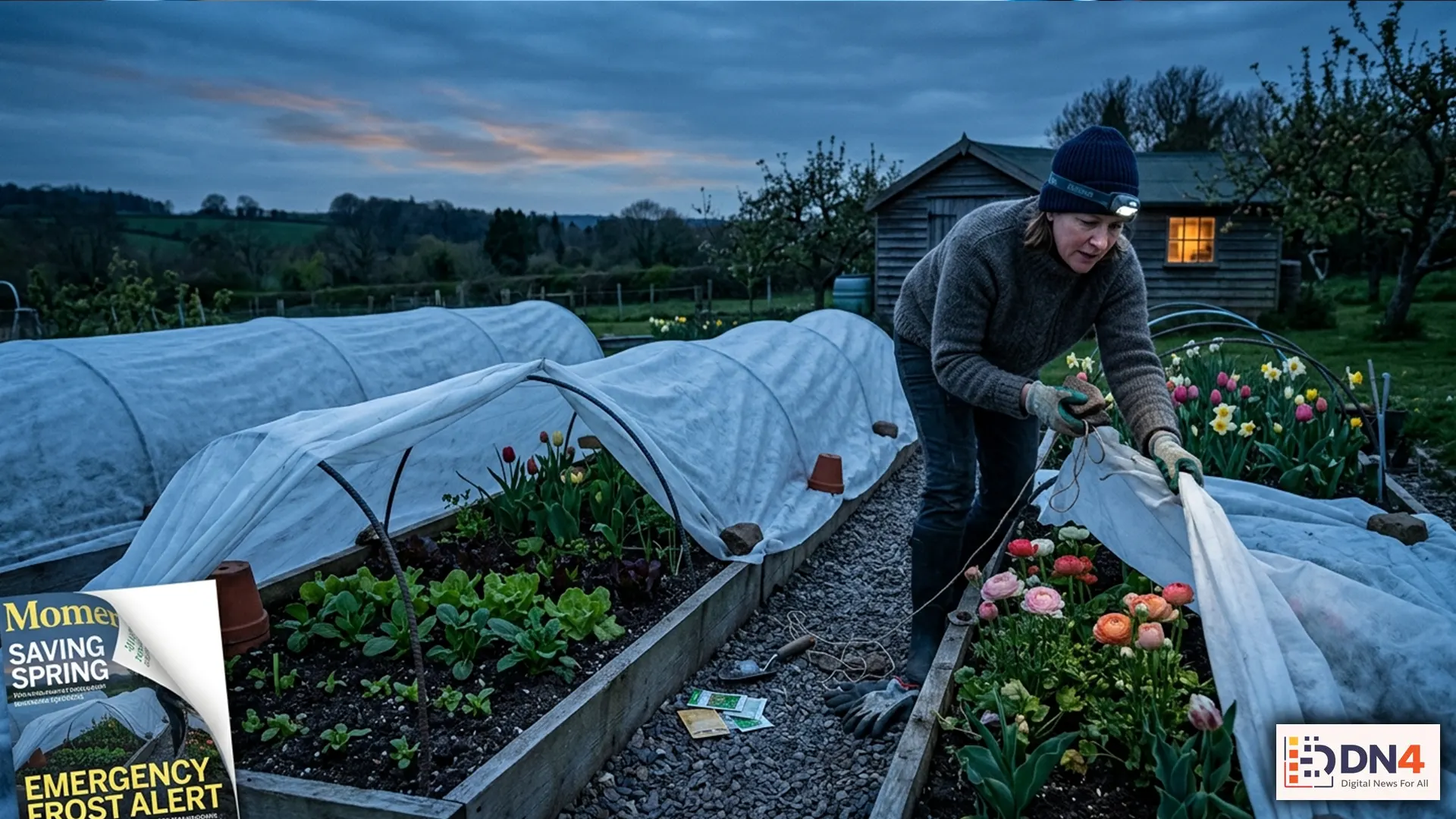
Just when your garden starts to feel safe, spring reminds you it is still capable of betrayal.
A 28-degree freeze watch is not just “a little cold.” According to National Weather Service freeze alerts, overnight cold snaps can quickly damage tender spring growth. For many flowers, vegetables, herbs, and newly planted seedlings, this kind of sudden drop can wipe out weeks of progress before breakfast.
The good news? Most early freeze damage is preventable—if you act before sunset.
Here is what gardeners should do right now to protect tender plants, reduce frost injury, and keep one cold night from becoming a season setback.
Why 28°F Is a Bigger Problem Than Many Gardeners Realize
There is a big difference between a chilly night and a hard freeze risk.
At around 32°F (0°C), frost can begin forming on exposed surfaces. But when temperatures fall to 28°F (-2°C) or lower for several hours, plant tissue can freeze internally. The University of Minnesota Extension’s frost protection guide explains why that is where real damage begins—especially for:
- Tomatoes, peppers, basil, cucumbers, and squash
- Annual flowers and hanging baskets
- Freshly planted herbs and seedlings
- Fruit blossoms and soft new growth
In other words: if it looks soft, green, tender, or overly confident in April, it probably needs help.
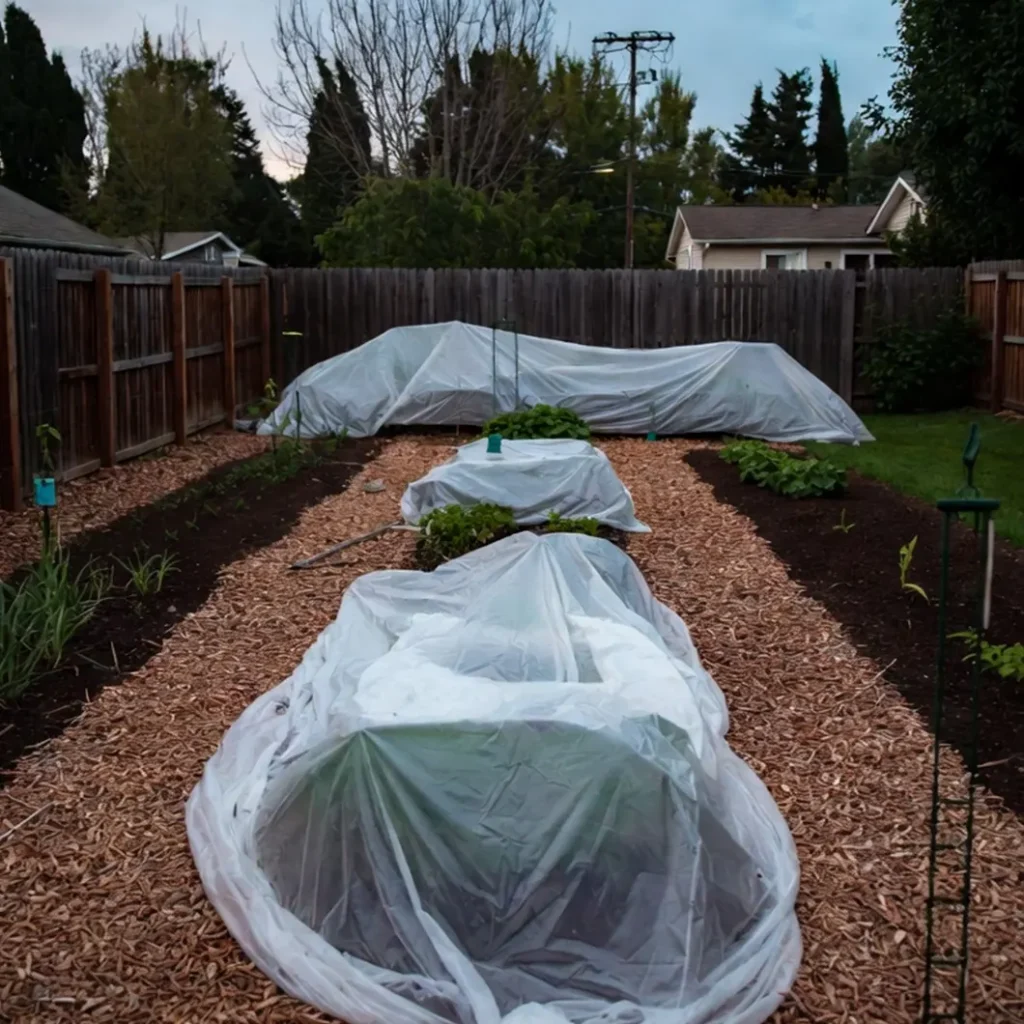
1) Cover Plants the Right Way—Not the Lazy Way
If you only do one thing tonight, cover your vulnerable plants.
But here is the part people mess up: the cover should trap heat from the ground, not just sit like a decorative blanket. Frost protection best practices from Penn State Extension recommend breathable coverings rather than anything that directly traps ice against leaves.
Best materials:
- Frost cloth or row cover
- Old bedsheets
- Light blankets
- Burlap
Avoid:
- Thin plastic touching leaves directly
- Heavy wet fabric that crushes plants
- Covering too late after temperatures already crash
Pro tip: extend covers all the way to the ground and anchor the edges with bricks, boards, or soil to trap warmer air underneath.
2) Water the Soil Before the Freeze
This sounds backwards, but it works.
Moist soil holds heat better than dry soil, which means watering your garden earlier in the day can help create a slightly warmer microclimate overnight. Gardening advice from Clemson Cooperative Extension supports this strategy for helping protect roots and nearby plant tissue.
Do this in the afternoon or early evening—not at midnight, and not by soaking leaves unnecessarily.
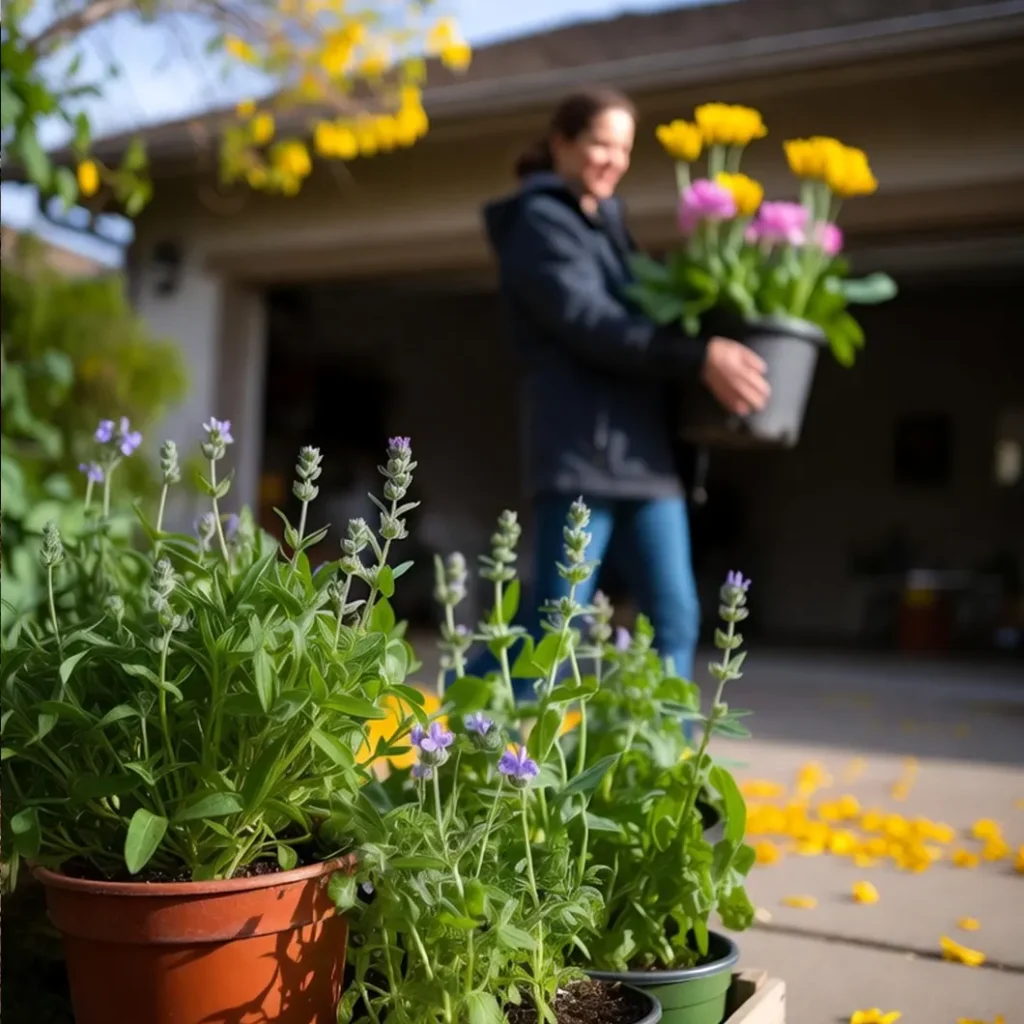
3) Move Containers, Hanging Baskets, and Potted Herbs Immediately
If a plant lives in a pot, it is far more vulnerable than something rooted in the ground.
Containers lose heat quickly from all sides, which means even plants that might survive in a garden bed can get wrecked in a planter. The University of Illinois Extension notes that potted plants are often among the first to suffer during late spring freezes.
Move potted plants into:
- A garage
- A covered porch
- A shed with light
- Any sheltered wall or enclosed outdoor corner
You do not need tropical resort conditions. You just need to get them out of the freeze zone.
4) Prioritize What Actually Needs Saving
If you cannot protect everything, do not panic-protect randomly. Be strategic.
Guidance from the Old Farmer’s Almanac frost date tracker and regional planting calendars can help gardeners decide which spring crops are most vulnerable based on your local timing.
Highest priority:
- Vegetable seedlings
- Fresh transplants
- Tender herbs
- Blooming fruit trees or berry plants
- New annuals and baskets
Usually lower concern:
- Established shrubs
- Perennials already adapted to your zone
- Cold-hardy greens like kale or spinach
Not every plant needs a rescue mission. Focus on what is most likely to suffer permanent setback.
5) Do Not Rush to Uncover at Sunrise
One of the most common mistakes happens the next morning.
Even after the sun comes up, air temperatures can stay cold enough to keep frost risk active. Advice from Colorado State University Extension recommends waiting until temperatures are clearly above freezing before removing covers.
Wait until temperatures rise clearly above freezing—ideally after the sun has had time to warm the area.
What If Plants Still Get Hit?
If you lose some leaves or soft top growth, do not start panic-pruning immediately.
Freeze-damaged plants often look worse before they reveal what is actually still alive. The University of Florida IFAS gardening guide advises gardeners to wait before trimming cold-damaged growth, since plants often recover better than expected.
Spring gardening is often less about perfection and more about how well you recover from weather acting like it has a personal issue with your tomatoes.
A 28-degree freeze watch is the kind of spring weather event that punishes gardeners who assume “it will probably be fine.” Sometimes it is fine. Sometimes it turns basil into wet tissue paper.
The smartest move is simple: cover early, water the soil, move containers, and protect the plants that matter most.
Because in spring gardening, one cold night can be a setback—but it does not have to become a disaster.
#SpringGarden #FreezeWatch #FrostProtection #GardeningTips #ColdSnap #GardenCare #PlantProtection #VegetableGarden #HomeGarden #WeatherAlert #GardenHacks