

 By Vinod Ram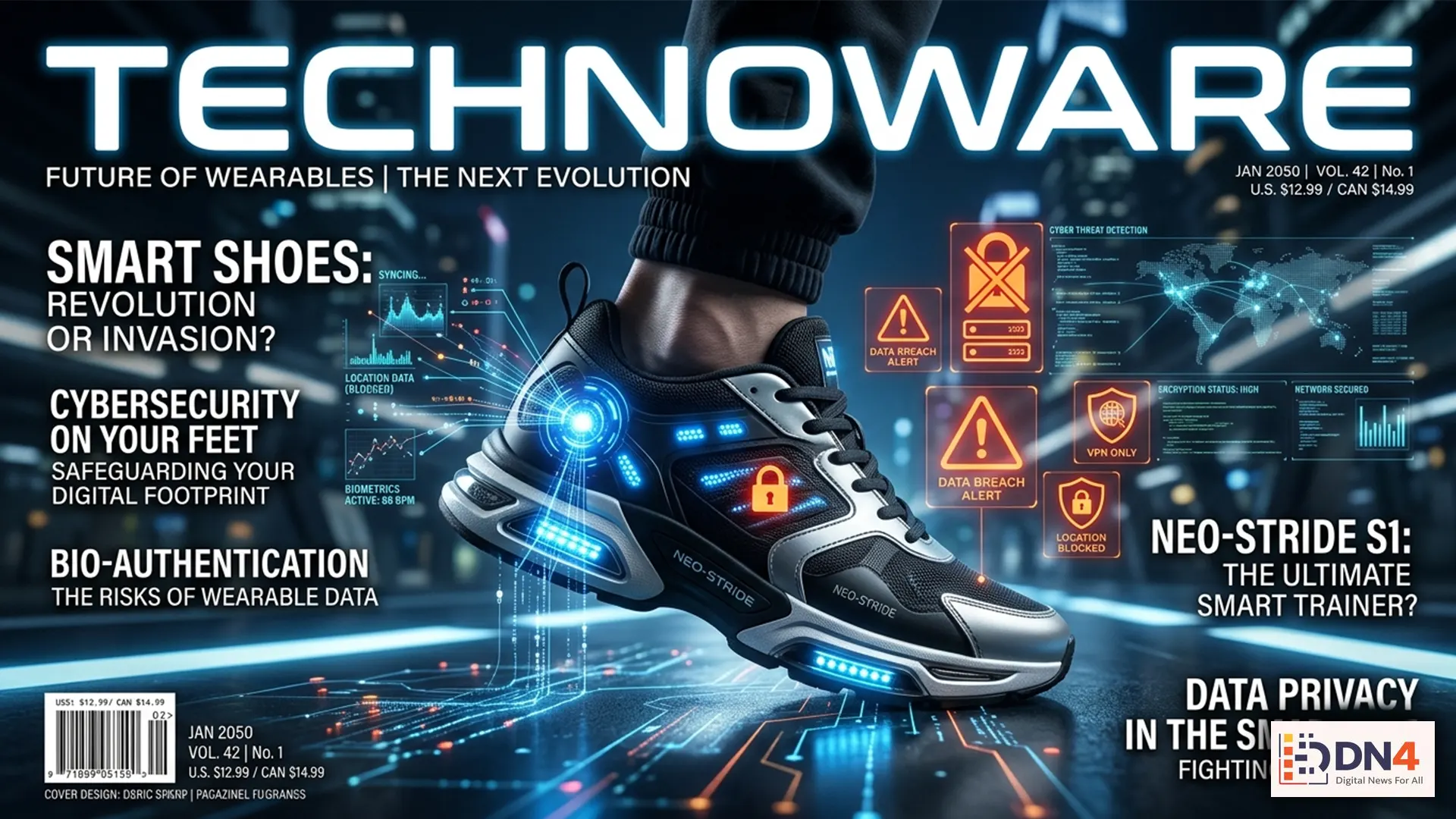
Wearable technology has evolved far beyond smartwatches and fitness bands. In 2026, smart shoes are becoming one of the fastest-growing segments in connected consumer technology. Equipped with sensors that track movement, posture, distance, running performance, and even health metrics, these futuristic devices promise to help users live healthier and more active lives.
But as wearable technology becomes increasingly sophisticated, privacy advocates and cybersecurity experts are raising important questions: How much data are smart shoes collecting, and who has access to it?
Organizations such as the Consumer Reports, Electronic Frontier Foundation (EFF), and Cybersecurity and Infrastructure Security Agency (CISA) have repeatedly emphasized the importance of understanding how connected devices collect and manage personal information.
What Are Smart Shoes?
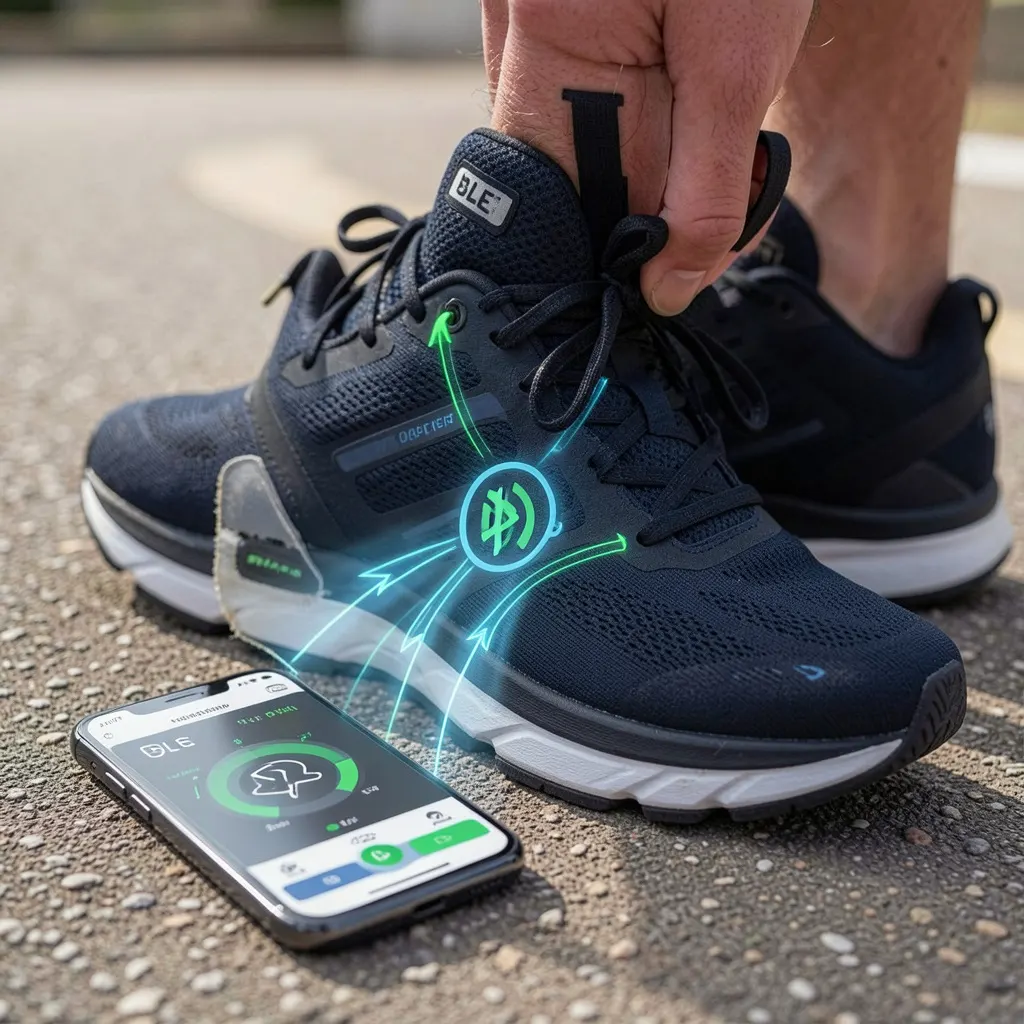
Smart shoes combine traditional footwear with embedded sensors, wireless connectivity, and companion mobile applications. Many models can monitor:
- Steps and activity levels
- Walking and running patterns
- Posture and balance
- Location tracking
- Calorie expenditure
- Health and fitness insights
Major technology and athletic brands are investing heavily in wearable innovation as consumers seek more personalized health and performance data.
The Value of Data Collection
The information collected by smart shoes can provide valuable insights for fitness enthusiasts, healthcare providers, and athletes. Data-driven feedback can help users improve performance, identify movement issues, and monitor long-term health trends.
According to research published by Gartner, wearable devices continue to play an expanding role in personal health monitoring and connected lifestyle ecosystems.
The Privacy Concerns
The same data that makes smart shoes useful can also create privacy risks if not handled responsibly.
Potential concerns include:
- Location tracking and movement history
- Collection of sensitive biometric data
- Third-party data sharing
- Behavioral profiling for advertising
- Unauthorized access through cyberattacks
Privacy experts at Privacy International have warned that consumers often underestimate how much information connected devices can reveal about daily habits and routines.
Can Smart Shoes Be Hacked?
Like other Internet of Things (IoT) devices, smart shoes may be vulnerable to cybersecurity weaknesses if manufacturers fail to implement adequate protections.
Security researchers from OWASP regularly highlight the importance of strong encryption, secure software updates, and responsible data management across connected ecosystems.
While most users are unlikely to become direct targets, vulnerabilities can expose personal information if security standards are not maintained.
How to Protect Yourself
- Review privacy settings regularly
- Read device privacy policies carefully
- Disable unnecessary permissions
- Install software updates promptly
- Use strong passwords and account protection
- Share only essential personal information
Being proactive can significantly reduce privacy and security risks associated with wearable technology.
The Future of Wearables
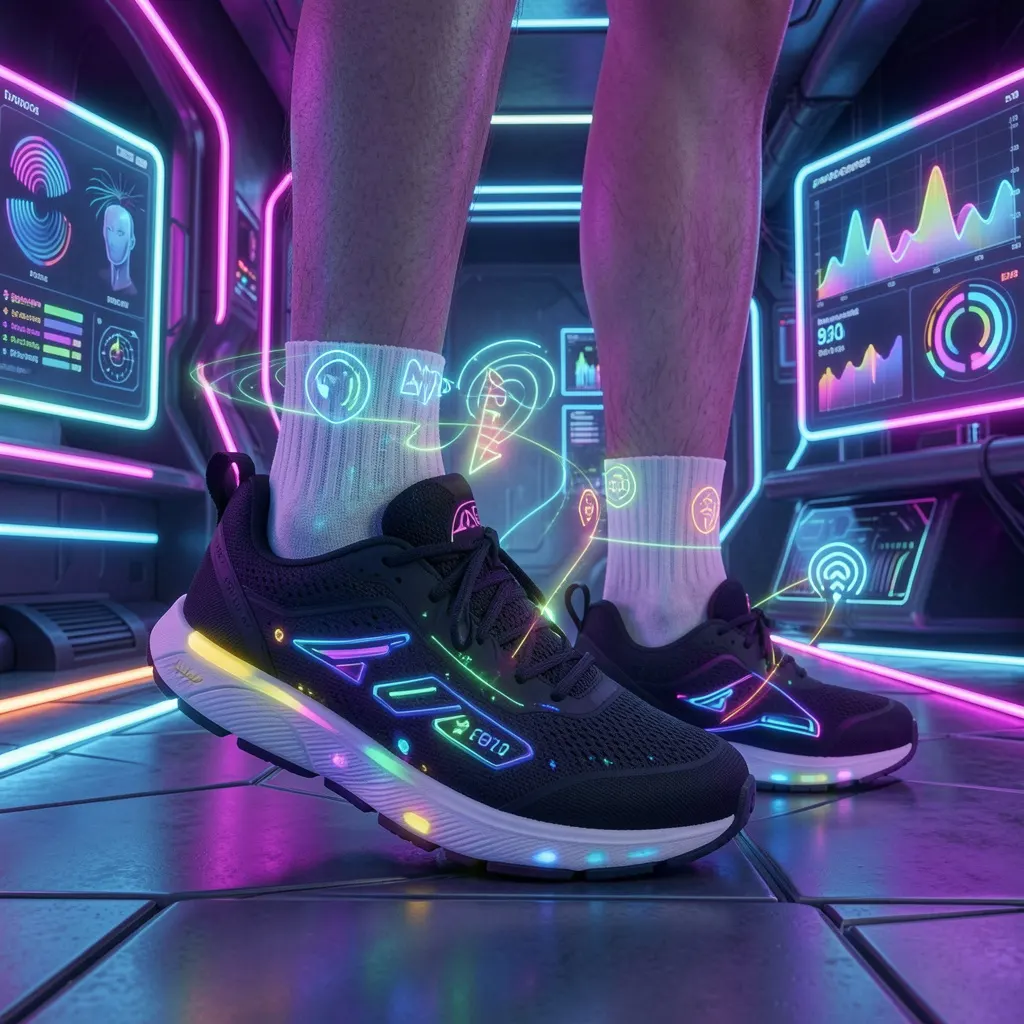
As artificial intelligence, biometric monitoring, and connected ecosystems continue to evolve, wearable devices will likely become even more integrated into daily life. Future smart shoes may provide advanced health diagnostics, injury prevention insights, and real-time performance coaching.
As artificial intelligence, biometric monitoring, and connected ecosystems continue to evolve, wearable devices will likely become even more integrated into daily life. Future smart shoes may provide advanced health diagnostics, injury prevention insights, and real-time performance coaching.
However, balancing innovation with privacy will remain one of the industry’s biggest challenges.
Smart shoes offer exciting possibilities for fitness, health, and convenience. Yet the growing amount of personal data collected by wearable devices highlights the need for greater transparency, stronger cybersecurity, and informed consumer choices.
In the connected world of 2026, understanding what your devices know about you may be just as important as the features they provide.
#SmartShoes #WearableTech #DataPrivacy #CyberSecurity #IoT #SmartDevices #TechTrends #DigitalPrivacy #WearableTechnology #ConsumerTech