

 By Vinod Ram
Nintendo has officially released “Tomodachi Life: Living the Dream”, and it’s already making waves—not just as a quirky life simulation game, but as a major step forward in inclusivity within the gaming industry.
Building on the success of the original Tomodachi Life, this new installment expands customization, representation, and storytelling in ways that reflect today’s diverse global audience.
A New Era for Nintendo
For years, Nintendo has been known for family-friendly and universally appealing games. However, it has sometimes faced criticism for limited representation in its titles.
With “Living the Dream,” Nintendo is addressing those concerns head-on, offering players more ways than ever to express themselves and create characters that truly reflect their identities.
What Makes This Game So Inclusive?
The game introduces a range of new features designed to promote inclusivity and personalization:
- Expanded character customization, including diverse skin tones, body types, and gender expressions
- More inclusive relationship options that reflect modern social dynamics
- Enhanced dialogue systems that avoid stereotypes and embrace individuality
- Accessibility improvements for players with different abilities
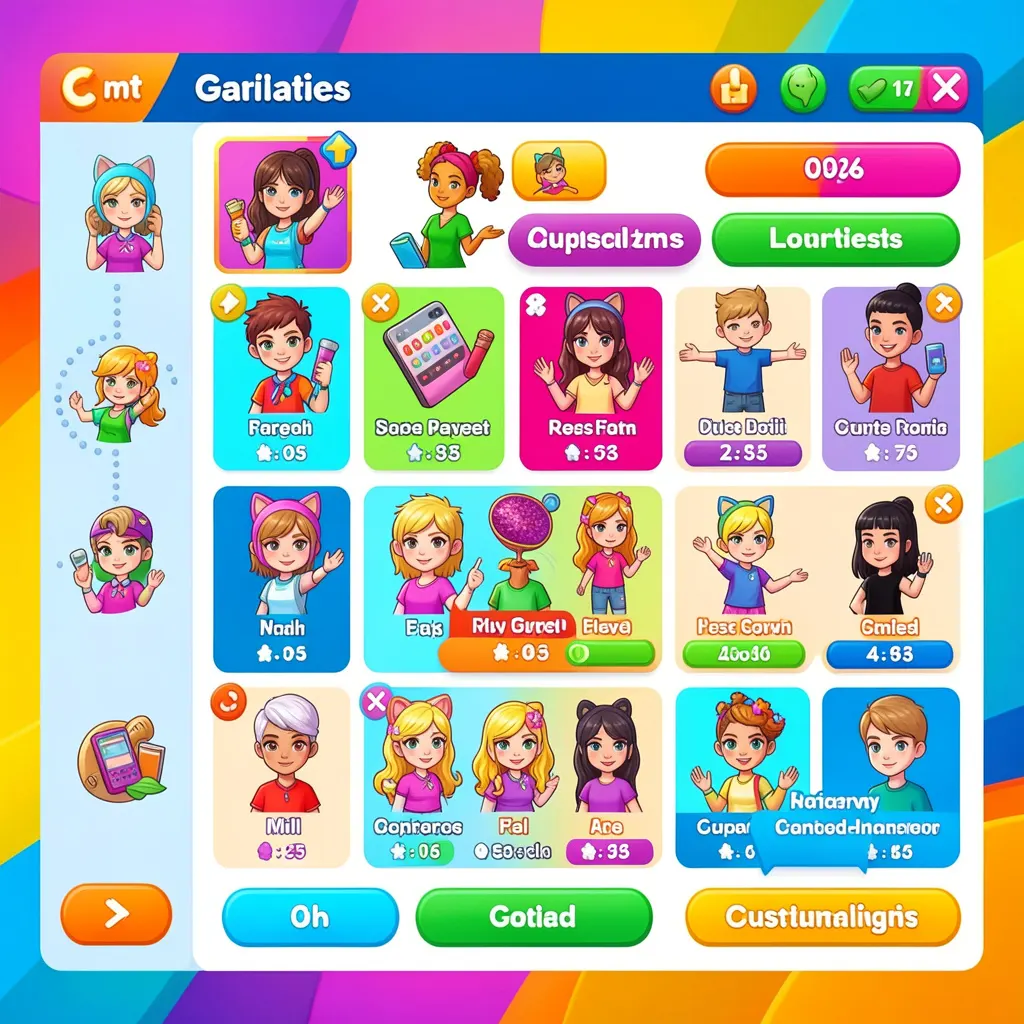
These updates make the game feel more reflective of real-world diversity, setting a new benchmark for life simulation titles.
The Power of Representation in Gaming
Representation in video games has become an increasingly important topic. Studies show that players are more engaged when they can see themselves reflected in the characters they control.
By prioritizing inclusivity, Nintendo is not only improving player experience but also expanding its global audience. This approach aligns with broader trends in the video game industry, where diversity and representation are becoming key factors in game design.
Gameplay: Still Fun, Now More Meaningful
At its core, “Tomodachi Life: Living the Dream” retains the charm and humor that made the original game a hit. Players can create Mii characters, build relationships, and watch unpredictable interactions unfold.
However, the added layers of inclusivity give the gameplay more depth and emotional resonance. Players are not just managing virtual lives—they are telling stories that feel authentic and personal.
Fan Reactions and Critical Reception
Early reactions have been overwhelmingly positive. Fans have praised Nintendo for listening to feedback and taking meaningful steps toward inclusivity.
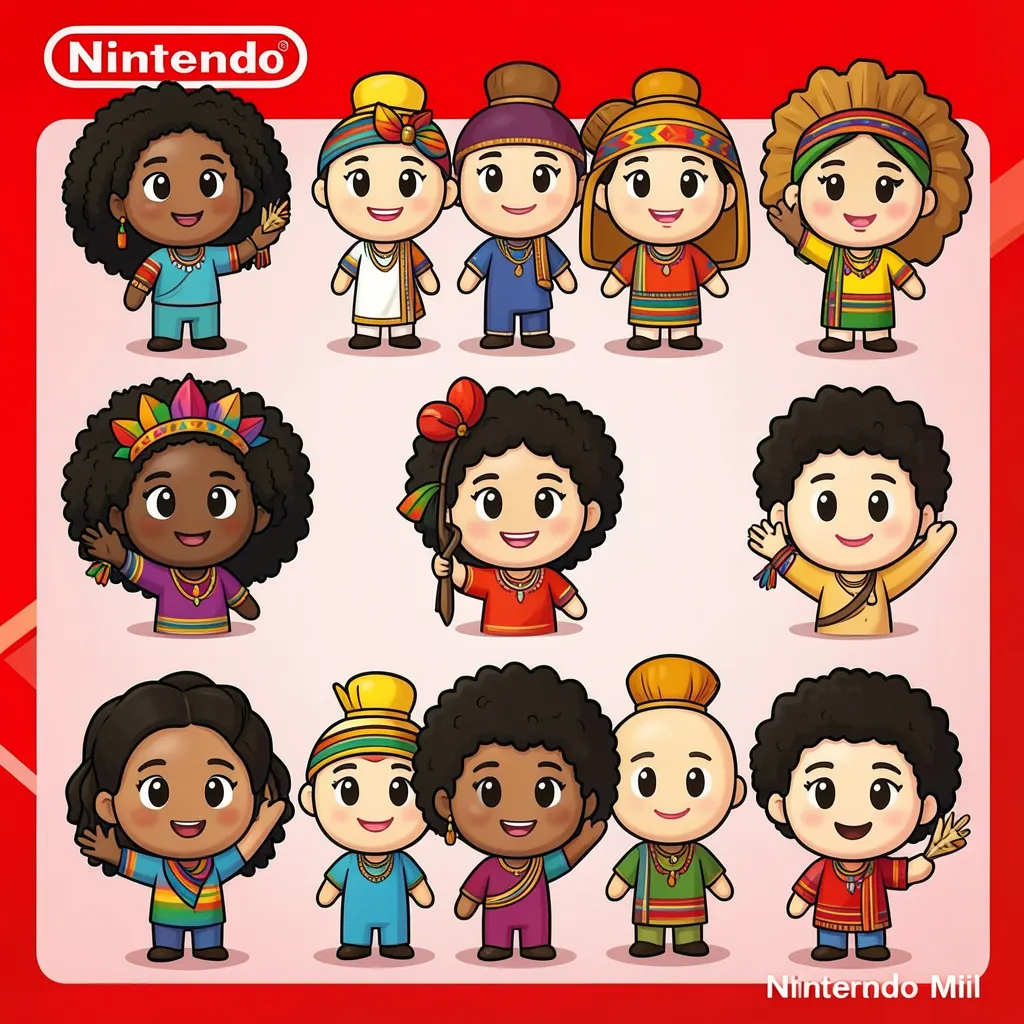
Critics have also highlighted the game as a potential turning point for the company, signaling a shift toward more modern and socially aware game design.
What This Means for the Future of Gaming
The success of “Living the Dream” could influence the entire industry. As major developers see the positive response, more games may adopt similar approaches to inclusivity.
This shift is not just about social responsibility—it’s also good business. Inclusive games can reach wider audiences and foster stronger player loyalty.
“Tomodachi Life: Living the Dream” is more than just a sequel—it’s a statement about where gaming is headed. By embracing diversity and representation, Nintendo has created a game that resonates with players on a deeper level.
As the industry continues to evolve, this title may well be remembered as a milestone in inclusive game design.
#TomodachiLife #Nintendo #GamingNews #InclusiveGaming #VideoGames #GamingCommunity #DiversityInGaming #SwitchGames