

 By Vinod Ram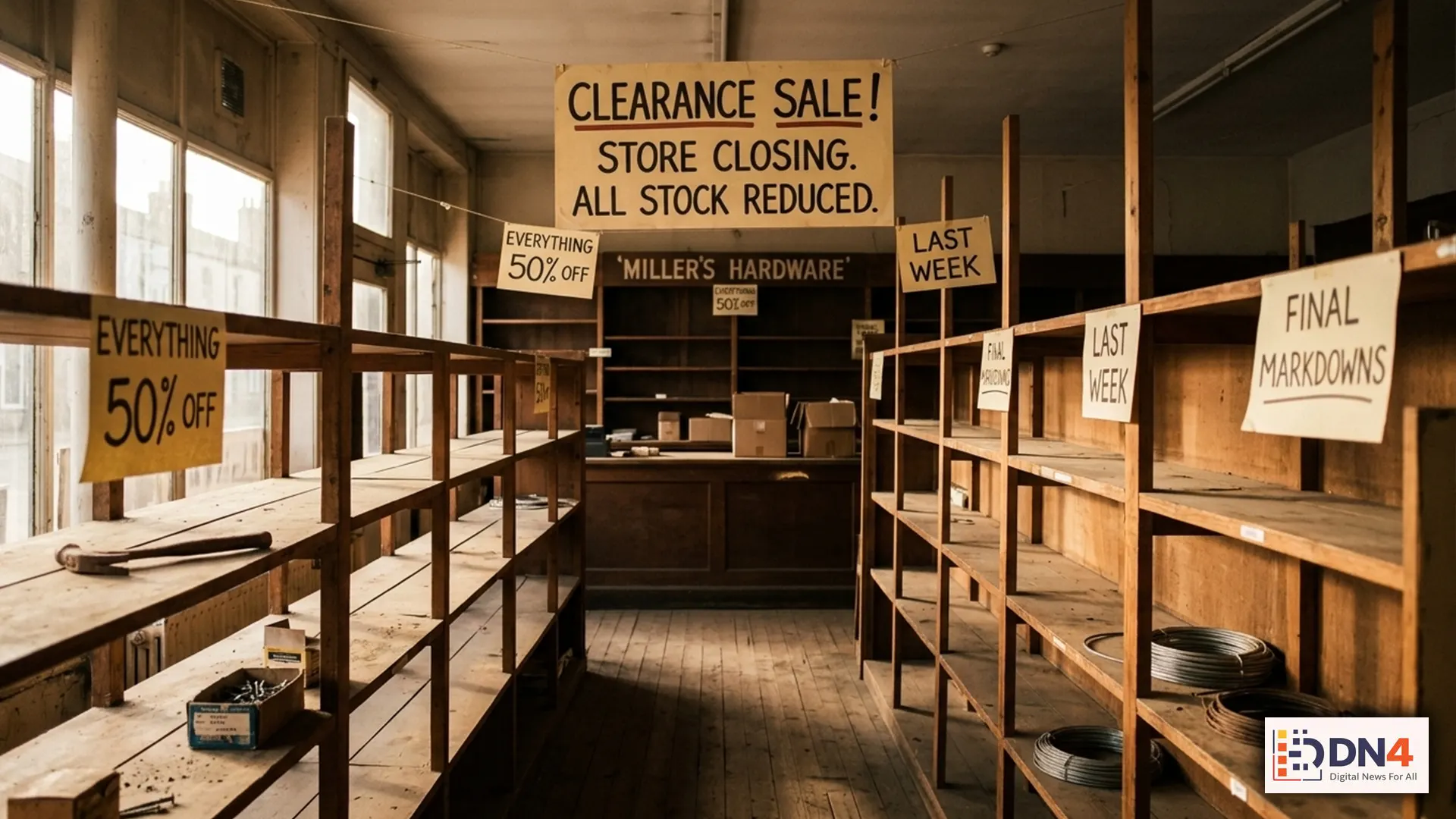
After serving its community for nearly eight decades, Miller’s Hardware is closing its doors for good. What was once a cornerstone of local commerce is now the site of a final liquidation sale, drawing crowds of loyal customers, bargain hunters, and nostalgic residents.
A Legacy Built Over Generations
Founded in the mid-20th century, Miller’s Hardware was more than just a store—it was a community institution. Generations of families relied on it for tools, advice, and a personal touch that large retailers often lack.
Unlike big-box competitors such as Home Depot and Lowe’s, Miller’s thrived on relationships. Customers knew the staff by name, and the store became a trusted hub for local homeowners and contractors alike.
Why Miller’s Hardware is Closing
The decision to shut down did not come easily. Rising operational costs, increasing competition from e-commerce giants like Amazon, and shifting consumer habits have made it increasingly difficult for small, independent retailers to survive.
Additionally, supply chain disruptions and inflation have squeezed profit margins, leaving little room for sustainability. Owners cited these challenges as key factors behind the difficult decision to liquidate.

Inside the Final Liquidation Sale
The liquidation sale has transformed the store into a bittersweet scene. Shelves that once displayed neatly organized tools are now filled with discount signs and clearance tags.
- Massive discounts on tools, hardware, and home improvement supplies
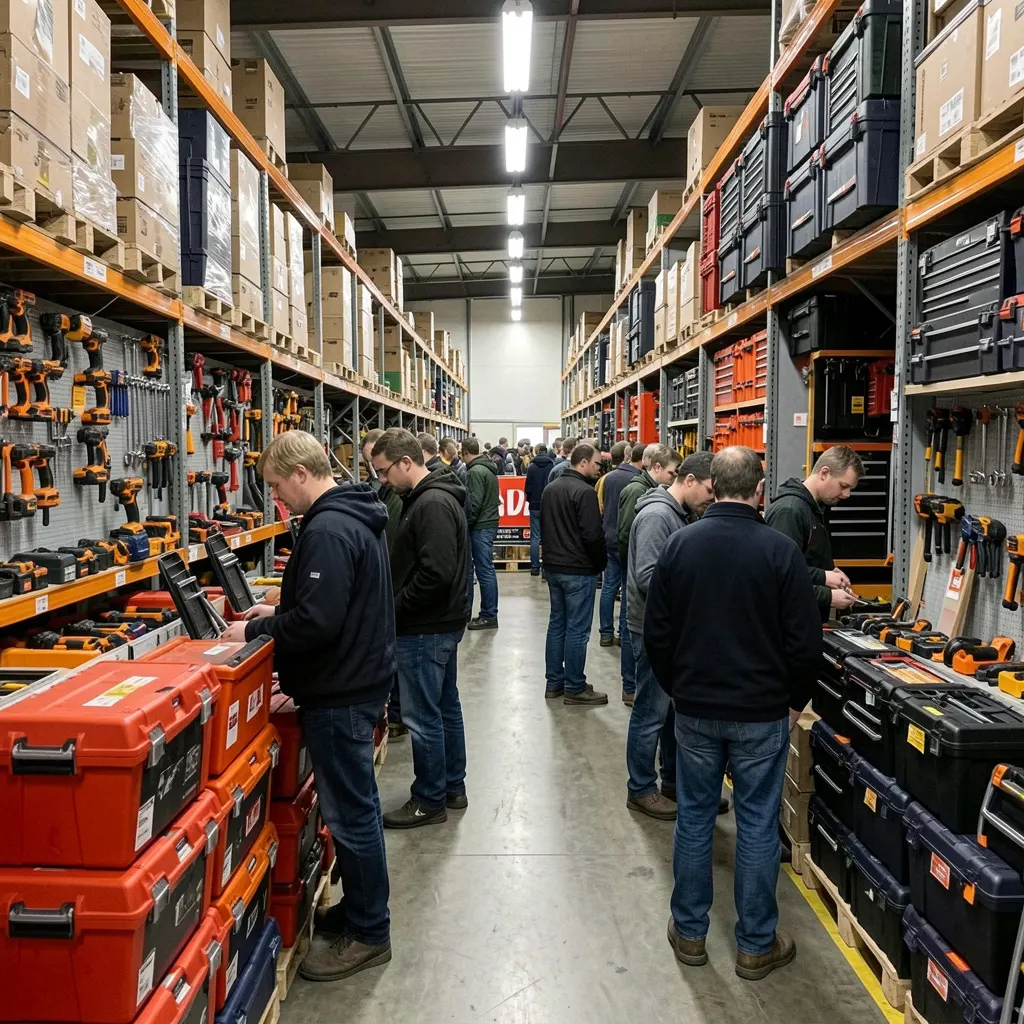
- Long lines of customers eager to grab final deals
- Emotional farewells between staff and longtime patrons
For many visitors, the sale is not just about savings—it’s about saying goodbye to a place that has been part of their lives for decades.
The Emotional Impact on the Community
The closure of Miller’s Hardware highlights a growing trend across the country: the disappearance of local businesses. These stores often serve as social and economic anchors within their communities.
Residents have shared stories of childhood visits, first home projects, and decades-long relationships with store employees. The emotional toll of losing such a space cannot be measured in financial terms alone.
The Decline of Small Retail
Miller’s story is not unique. Across the United States, small retailers are struggling to compete with large chains and online platforms.
According to industry reports, thousands of independent stores have closed in recent years, reshaping the retail landscape. While consumers benefit from lower prices and convenience, the loss of local businesses raises concerns about community identity and economic diversity.
What Happens Next?
As Miller’s Hardware prepares to close its doors permanently, questions remain about what will replace it. Will another small business take its place, or will the space be absorbed by a larger chain?
For now, the focus remains on honoring the store’s legacy and supporting the employees who have dedicated years of service.
The final liquidation of Miller’s Hardware marks the end of an era. It serves as a reminder of the challenges facing small businesses in today’s rapidly evolving economy.
While the discounts may draw crowds, it’s the memories and community connections that will truly define the store’s legacy.
#SmallBusiness #RetailCrisis #LiquidationSale #LocalBusiness #StoreClosing #BusinessNews #CommunityStories #RetailTrends