

 By Vinod Ram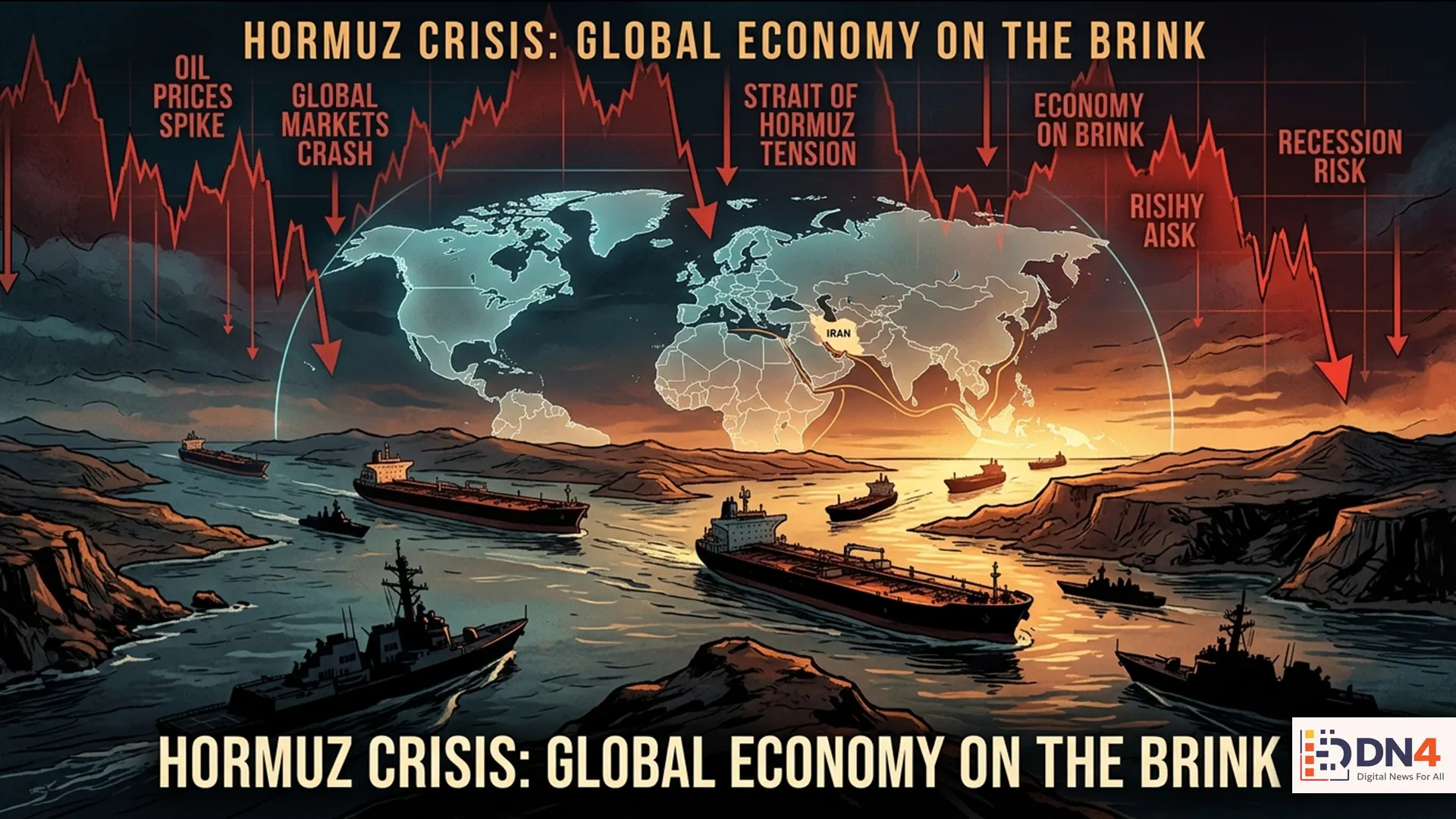
When the world’s most critical oil chokepoint is threatened, markets don’t wait for diplomacy. They react instantly. And that’s exactly what happened when China and Russia moved to block a proposed UN Security Council plan aimed at restoring secure passage through the Strait of Hormuz.
The veto didn’t just derail a geopolitical initiative. It sent a message to energy traders, shipping operators, insurers, and governments around the world: the global order around strategic waterways is becoming more fragmented, more politicized, and far more expensive.
For investors and policymakers alike, this was not just another diplomatic standoff. It was a direct challenge to one of the arteries that keeps the global economy alive.
Why the Strait of Hormuz Matters So Much
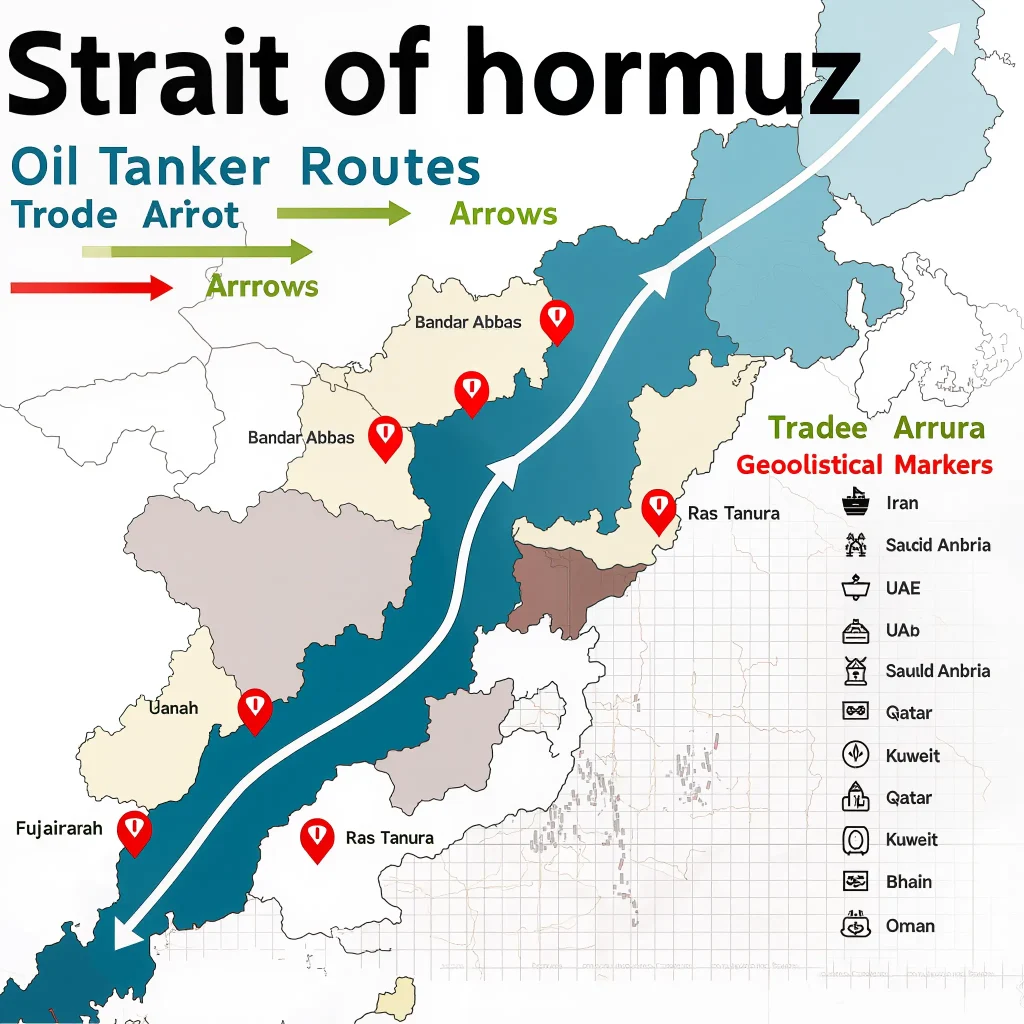
The Strait of Hormuz is not simply a regional shipping lane. It is one of the most important energy corridors on Earth. A significant share of the world’s seaborne crude oil and liquefied natural gas passes through this narrow route linking the Persian Gulf to global markets.
That means any threat to transit in Hormuz immediately affects:
- Global oil prices
- Shipping and freight costs
- Marine insurance premiums
- Inflation expectations in major economies
- Energy security planning across Europe and Asia
In short, if Hormuz tightens, the whole world feels it.
What the UN Plan Was Trying to Do
The proposed UN-backed initiative reportedly sought to establish a framework for de-escalation, monitored shipping security, and internationally backed safe maritime access through the strait. On paper, it sounded like a practical response to a market-sensitive crisis.
But in practice, it ran into the hard realities of global power politics.
China and Russia objected not only to the diplomatic framing of the proposal, but also to what they likely viewed as an attempt to legitimize a Western-led security architecture in one of the world’s most strategically contested regions.
Why China Blocked It
China’s position is not difficult to understand when viewed through the lens of energy dependency and geopolitical leverage.
Beijing has major long-term interests in stable Gulf energy flows, but it also has little incentive to endorse any UN mechanism that could strengthen U.S.-aligned military or diplomatic influence over maritime security in the region. China prefers frameworks where it can retain strategic flexibility, protect ties with Gulf producers, and avoid setting precedents that increase Western intervention under international cover.
There’s also a deeper calculation: China increasingly wants to shape crisis management systems, not merely sign onto ones designed by others.
Why Russia Said No
Russia’s motivations are equally strategic, though different in emphasis.
Moscow has consistently opposed international arrangements that could expand Western operational legitimacy in conflict-adjacent regions. In a period of already heightened East-West rivalry, backing a UN maritime initiative around Hormuz would have offered diplomatic ground to rivals Russia is actively trying to counterbalance.
There is also an economic angle. Higher geopolitical uncertainty in global energy corridors often supports elevated oil prices — something that can indirectly benefit energy-exporting states, especially during periods of fiscal and geopolitical strain.
Why Markets Reacted So Fast
Markets are highly sensitive to chokepoints because they price not only current supply, but future risk.
That means traders weren’t just reacting to the veto itself. They were reacting to what the veto implies:
- Longer diplomatic deadlock
- Higher probability of shipping disruption
- Increased tanker rerouting and insurance costs
- Potential pressure on Brent and WTI crude benchmarks
For shipping companies and commodity desks, uncertainty is a cost. And for consumers, that cost often arrives later through fuel, freight, and inflation.
This Is About More Than Hormuz
The real significance of this moment goes beyond one maritime route. It reflects a wider shift in the global system: major powers are no longer merely competing within institutions — they are competing over the institutions themselves.
That matters because modern markets rely on predictable rules, secure trade corridors, and rapid crisis coordination. When those systems become harder to activate, every geopolitical shock becomes more economically dangerous.
Hormuz is simply the latest reminder that the world economy remains deeply vulnerable to political fragmentation.
A Veto With Global Economic Consequences
China and Russia’s decision to block the UN plan to reopen Hormuz was not just a diplomatic maneuver. It was a signal flare for markets already operating in an era of heightened strategic tension.
For oil traders, shipping firms, and central banks, the message was clear: geopolitical chokepoints are no longer just security stories — they are market stories.
And when the world’s energy lifelines become bargaining chips in great-power rivalry, volatility stops being a temporary reaction. It becomes part of the system.
#HormuzStrait #ChinaRussia #UNSecurityCouncil #OilMarkets #GlobalTrade #EnergyCrisis #ShippingCrisis #Geopolitics #MarketVolatility