

 By Vinod Ram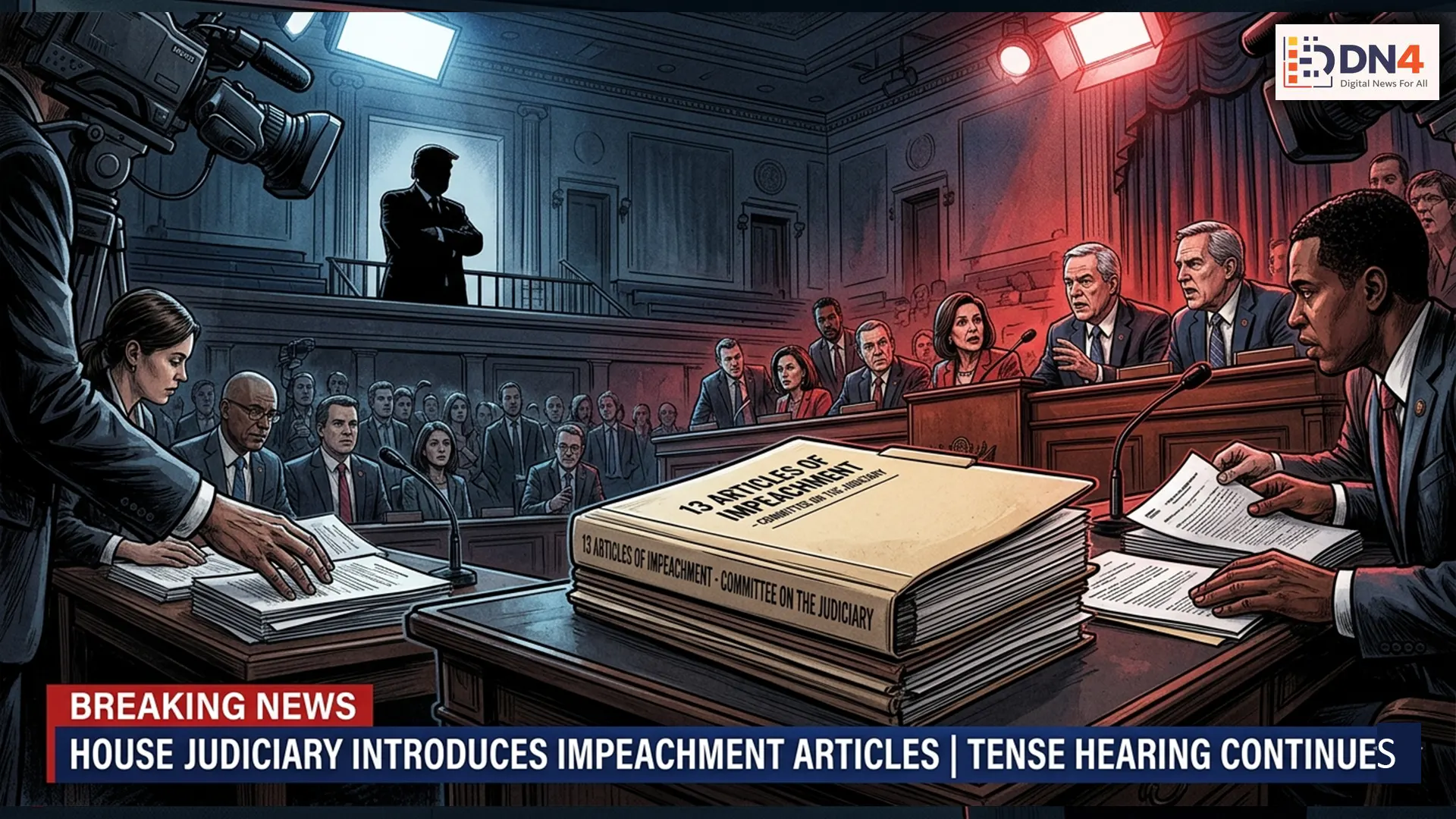
Washington just got a new constitutional flashpoint. Rep. John Larson’s decision to introduce 13 articles of impeachment against Donald Trump over what he describes as an “illegal war” is more than symbolic outrage. It is a direct attempt to reframe the national debate around presidential war powers, congressional authority, and whether the White House crossed a line the Constitution was designed to prevent.
At first glance, it may look like another politically doomed impeachment effort in an already polarized Congress. But that misses the real significance. Larson’s move is not only about whether Trump can be removed. It is about whether Congress is willing to publicly define military escalation without explicit authorization as an impeachable abuse of power.
And in a political year already charged by foreign policy, energy volatility, and institutional distrust, that argument could land harder than many expect.
Why Larson’s Move Matters Now
The timing is everything. Larson’s impeachment push comes amid renewed alarm over U.S. military escalation involving Iran and the Strait of Hormuz, a region that sits at the center of global energy security and great-power rivalry. By framing Trump’s actions as an unconstitutional war powers violation, Larson is tapping into a longstanding legal and political fault line in American governance.
This is not a fringe constitutional argument. Congress has repeatedly wrestled with the limits of executive military action, particularly under the War Powers framework and related debates over whether presidents can expand conflict without a formal declaration or explicit legislative authorization.
What the “13 Articles” Are Really About
While the exact legal framing of each article matters, the broader strategy appears clear: build a cumulative case that Trump’s conduct was not merely aggressive foreign policy, but a pattern of constitutional overreach.
In practical terms, the articles are likely intended to argue that:
- Military escalation occurred without lawful congressional approval
- The executive branch bypassed constitutional checks and balances
- Congress was sidelined during a potentially war-triggering crisis
- Presidential power was expanded under emergency-style logic
That makes this impeachment effort fundamentally different from a purely personality-driven attack. It is designed to place war-making authority at the center of the case.
Why Democrats May Use This Even If It Fails
Realistically, impeachment success is not the only goal here. In fact, it may not even be the primary one.
Even if the articles never gain enough institutional traction to advance meaningfully, they still serve several political functions:
- They force Democrats to define a constitutional red line
- They pressure lawmakers to publicly choose a side
- They create a campaign issue around executive overreach
- They reinsert Congress into a crisis narrative dominated by the presidency
In other words, Larson may be using impeachment not only as a legal tool — but as a political framework for 2026 and beyond.
The Core Constitutional Argument
The heart of Larson’s move is simple but explosive: Can a president edge the country toward war without Congress, and if so, where is the limit?
This question has haunted American politics for decades. From Vietnam to Iraq to modern targeted military operations, lawmakers have repeatedly accused presidents of stretching executive authority far beyond what the Constitution originally intended.
Larson’s impeachment filing attempts to make that argument impossible to ignore. It says, in effect, that unauthorized military escalation should not merely be criticized — it should carry constitutional consequences.
Why This Could Hit Harder Than a Standard Impeachment Story
Most impeachment narratives burn hot politically but cool fast with the public. This one may be different because it connects to issues voters already feel in real time:
- Fear of wider war
- Higher oil and gas prices
- Global instability
- Distrust in unchecked executive power
That gives the story broader emotional and economic relevance than a typical Capitol Hill procedural fight. It turns a legal filing into a question many Americans instinctively understand: who gets to decide when the country moves toward war?
What Happens Next
In the short term, the articles are unlikely to immediately transform the balance of power in Washington. But that does not mean they are politically irrelevant.
Expect this move to trigger:
- Intense media debate over presidential war powers
- Pressure on Democratic leadership to respond
- Republican efforts to frame the move as performative politics
- Renewed public attention on constitutional limits during military crises
And if geopolitical tensions continue rising, Larson’s move could quickly shift from symbolic protest to part of a much larger national reckoning.
This Is About More Than Trump
Rep. John Larson’s 13 impeachment articles are not just an attack on Donald Trump. They are a challenge to the modern presidency itself.
At stake is not simply one leader’s conduct, but the deeper constitutional question of whether Congress still has meaningful power when the White House moves the country toward war.
That is why this story matters — even if the impeachment never succeeds.
Because once “illegal war” enters the impeachment vocabulary in a serious congressional way, the argument doesn’t disappear. It becomes part of the next battle over who really controls American power.
#JohnLarson #TrumpImpeachment #IllegalWar #Congress #WarPowers #USPolitics #ConstitutionalCrisis #HouseDemocrats #BreakingPolitics