

 By Vinod Ram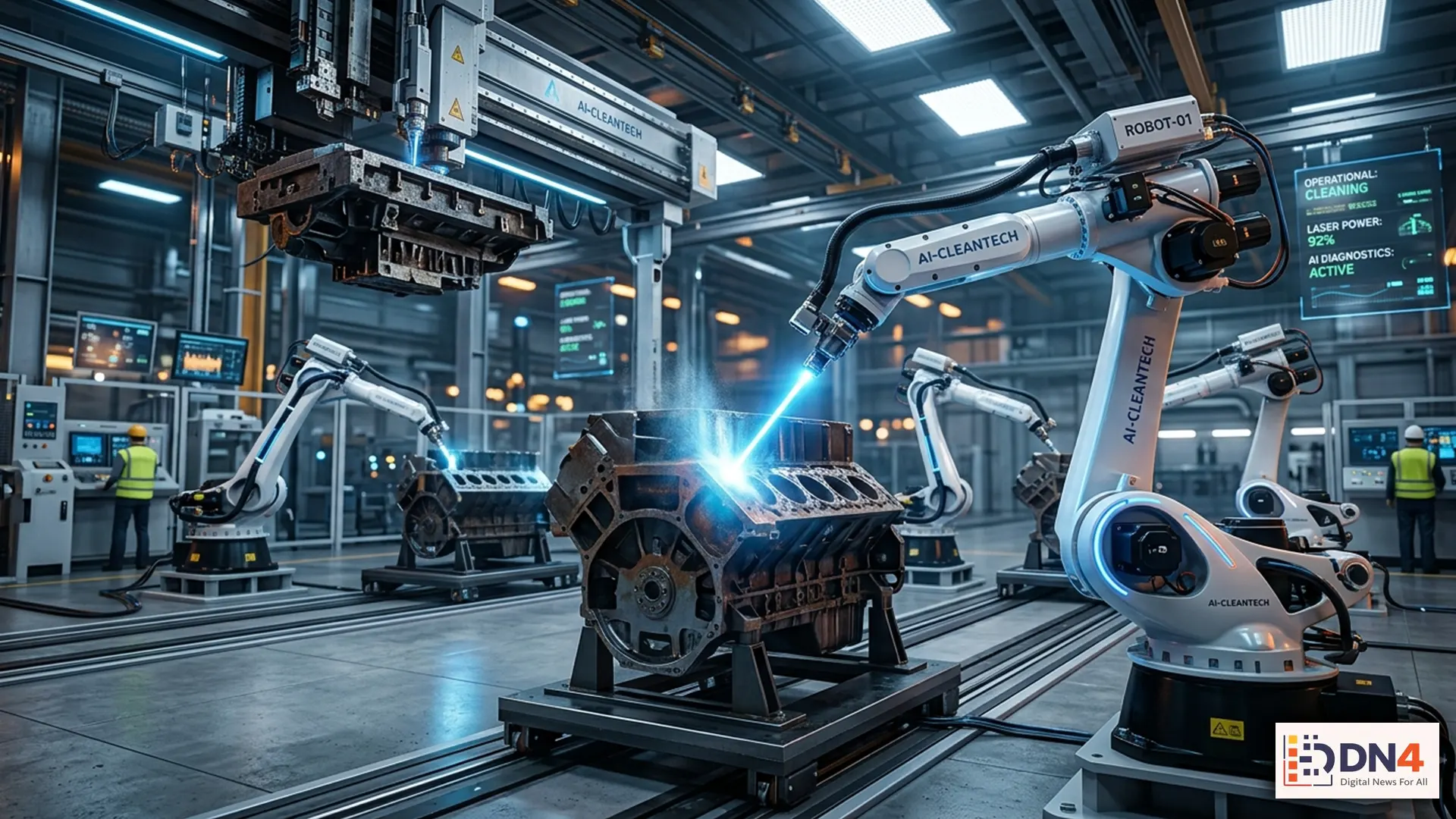
Heavy industry rarely goes viral — but in 2026, one of its biggest breakthroughs is happening quietly, efficiently, and at the speed of light. Across manufacturing floors, shipyards, steel plants, aerospace workshops, and energy infrastructure sites, AI-driven laser systems are transforming how industrial cleaning, surface preparation, maintenance, and precision fabrication get done.
This isn’t just a futuristic upgrade. It’s a serious operational shift with real consequences for cost, safety, emissions, and productivity. In a year where industrial companies are under pressure to reduce downtime, improve sustainability, and stay globally competitive, laser tech powered by artificial intelligence is emerging as one of the most practical revolutions in modern industry.
What AI-Driven Laser Tech Actually Means
At its core, AI-driven laser technology combines artificial intelligence with advanced industrial laser systems to automate tasks that traditionally required abrasive materials, chemicals, heavy manual labor, or repeated inspection cycles.
Instead of relying on static settings or one-size-fits-all operations, these systems use sensors, machine vision, and AI models to adjust laser intensity, scanning paths, pulse rates, and surface detection in real time. That means the machine can “understand” the material it is working on and optimize performance with far greater precision than older industrial methods.
In practice, that can mean:
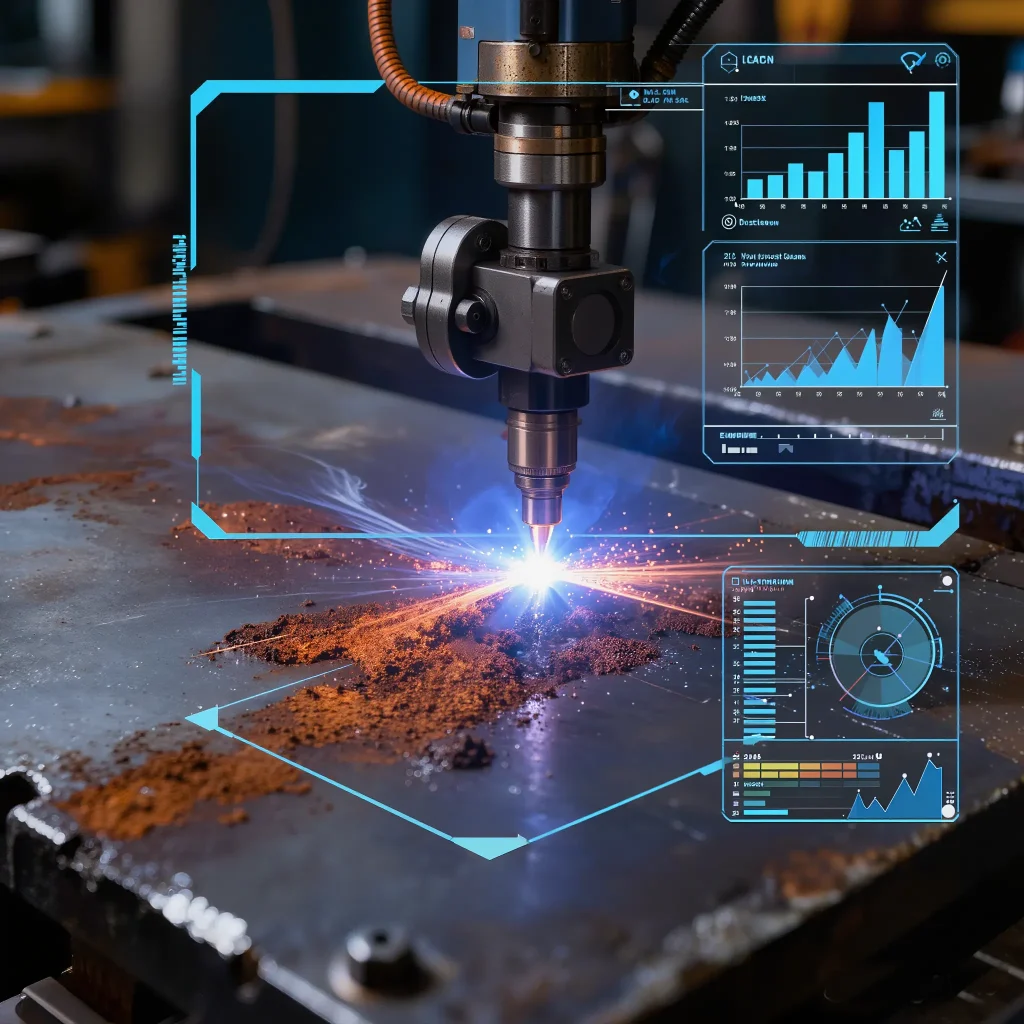
- Removing rust and coatings without damaging base metal
- Cleaning weld seams and molds with micron-level accuracy
- Reducing consumable waste from sandblasting or solvents
- Improving repeatability in high-value industrial processes
Why Heavy Industry Is Paying Attention Now
For decades, many industrial cleaning and surface treatment processes were effective — but messy, labor-intensive, and expensive to scale. Methods like abrasive blasting, chemical stripping, and manual grinding still dominate many sectors, but they come with serious drawbacks: dust, waste disposal costs, worker safety concerns, environmental compliance burdens, and inconsistent results.
That’s where AI laser systems are changing the economics.
Because they can be integrated into Industry 4.0 environments, these tools are increasingly being deployed not just as standalone machines, but as part of broader digital manufacturing ecosystems. They connect with robotic arms, machine vision platforms, and predictive maintenance software to create cleaner, smarter, and more autonomous industrial workflows.
Laser Cleaning Is Becoming a Serious Sustainability Story
One of the biggest reasons this shift matters in 2026 is sustainability.
Heavy industry is under growing pressure from regulators, investors, and global supply chain partners to reduce emissions, material waste, and hazardous byproducts. AI-guided cleaner production methods are suddenly not just a technical choice — they’re a strategic one.
Laser cleaning systems often reduce or eliminate the need for:
- Chemical solvents
- Abrasive blasting media
- Secondary waste disposal
- Repeated rework caused by over-cleaning or under-cleaning
That makes them increasingly attractive for companies trying to hit ESG targets without sacrificing output.
The AI Layer Is What Changes Everything
Laser systems themselves are not new. What makes 2026 different is the intelligence layer now being added on top.
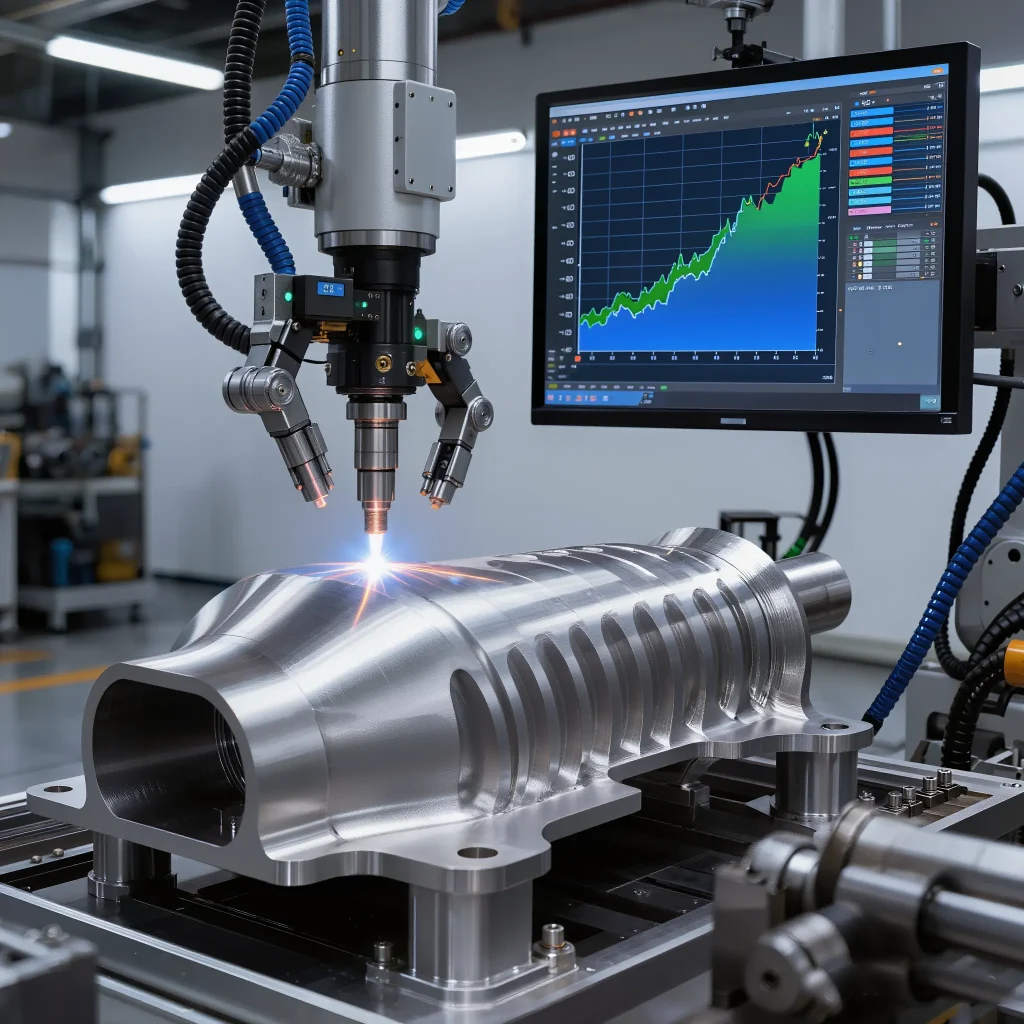
AI is enabling these machines to do more than execute commands. They can now analyze surfaces, identify contaminants, adapt to irregular geometries, and learn from previous operating conditions. In some advanced environments, they can even help flag wear patterns or material fatigue before a failure becomes costly.
This is where AI laser systems move from being “cleaning tools” to becoming part of a much bigger predictive maintenance and operational intelligence stack.
Which Industries Stand to Gain the Most?
The biggest winners are likely to be sectors where precision, durability, and maintenance costs matter most. That includes:
- Shipbuilding and marine maintenance — for corrosion and coating removal
- Aerospace manufacturing — where precision and material integrity are critical
- Automotive and EV production — for weld prep and surface treatment
- Steel and heavy fabrication — where downtime and scale are everything
- Energy and infrastructure — especially pipelines, turbines, and industrial assets
In each of these sectors, the value proposition is similar: less waste, fewer stoppages, safer workflows, and more predictable output.
Why This Matters to Investors, Not Just Engineers
This story is bigger than factory operations. It’s also an investment and competitiveness story.
As global manufacturers race to modernize, technologies that improve uptime, reduce labor inefficiencies, and strengthen compliance will attract serious capital. AI-enabled industrial hardware sits at the intersection of advanced manufacturing, clean tech, automation, and industrial software — four areas investors are already watching closely.
That makes AI laser systems more than a niche engineering trend. They’re becoming part of the next industrial capex cycle.
A Quiet Technology With Loud Consequences
The most disruptive technologies are not always the loudest or most consumer-facing. Sometimes, they arrive in factories, not headlines.
That’s exactly what is happening with AI-driven laser tech in 2026. It is quietly helping heavy industry become cleaner, safer, smarter, and more efficient — not through hype, but through measurable operational gains.
And in a world where industrial competitiveness increasingly depends on automation, precision, and sustainability, this “silent revolution” may end up being one of the most important technology stories of the year.
#AILaserTech #SmartManufacturing #IndustrialAI #FactoryAutomation #HeavyIndustry #LaserCleaning #Industry40 #CleanTech #ManufacturingInnovation