

 By Vinod Ram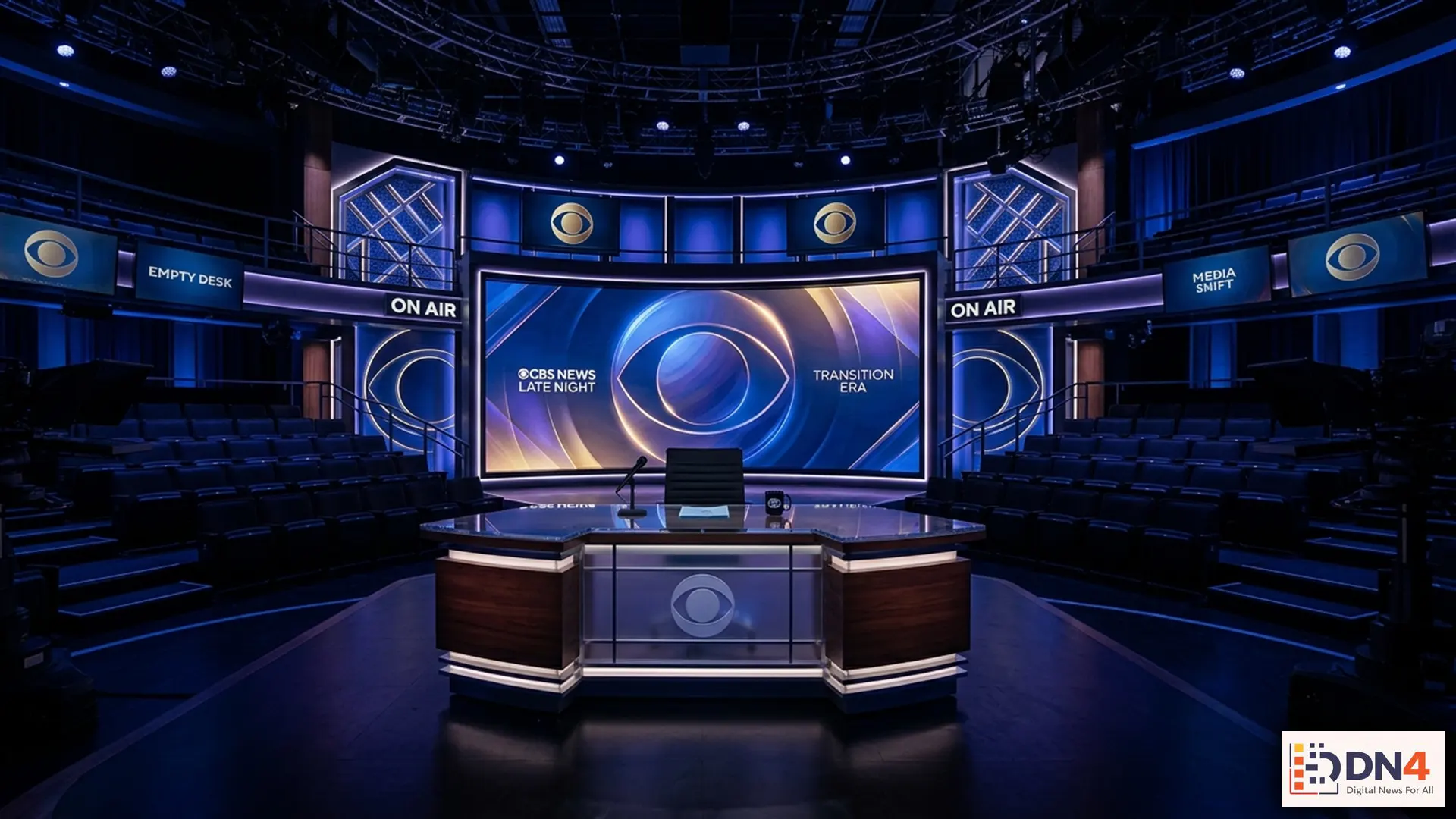
Late-night television is no longer the reliable cultural machine it once was. Once a nightly ritual that shaped political jokes, celebrity promotion, and next-day media conversation, the format now faces an uncomfortable reality: audiences are fragmenting, younger viewers are moving online, and legacy networks are struggling to stay relevant. That is why the idea of Byron Allen stepping into the future of CBS after Stephen Colbert is such a fascinating media-business thought experiment.
Whether through ownership ambition, strategic influence, syndication muscle, or broader programming disruption, Allen represents something traditional broadcast television desperately needs: a willingness to rethink old models before they collapse entirely.
If CBS is heading into a post-Colbert era, the bigger question is not just who hosts next. It is whether the network is finally ready to reinvent what late-night can actually be.
Why Post-Colbert CBS Is a Bigger Story Than One Host
Stephen Colbert has been one of the defining late-night figures of the modern broadcast era. His tenure helped CBS maintain relevance in a politically charged and rapidly changing entertainment environment. But the economics and cultural role of late-night TV have shifted dramatically.
Traditional monologues no longer dominate conversation the way short-form clips, podcasts, YouTube interviews, and creator-driven commentary do. Younger audiences increasingly discover “late-night” content without ever watching a full episode live.
That means CBS is not simply facing a succession challenge. It is facing a format challenge.
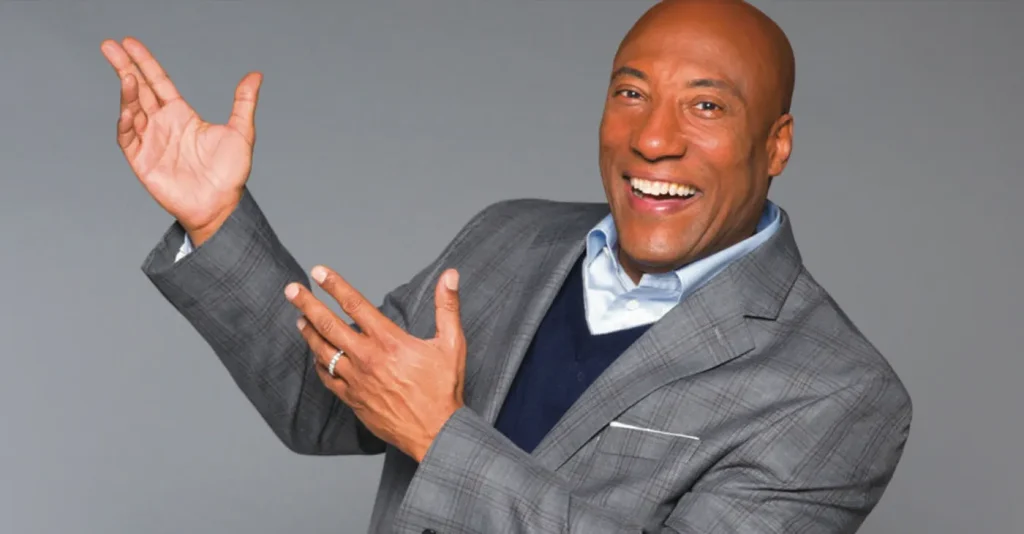
Why Byron Allen Is Such an Interesting Name in This Conversation
Allen is not a conventional entertainment executive. Through Allen Media Group, he has built a business empire around syndication, local TV, digital expansion, weather assets, and strategic acquisitions that many in legacy media underestimated for years.
His value is not just in celebrity or corporate ambition. It is in understanding distribution.
That matters because the next successful version of CBS late-night may not look like classic late-night at all. It may need to function simultaneously as:
- A broadcast show
- A digital clip engine
- A streaming-friendly interview platform
- A culturally sharable commentary brand
- An advertiser-safe but socially relevant entertainment property
That is exactly the kind of cross-platform logic Allen has spent years building around.
Could CBS Actually Reinvent Late Night Instead of Replacing It?
This is where the story gets really interesting.
Most networks facing talent turnover make the same mistake: they try to preserve the old formula with a new face. But the smartest move for CBS may be more radical — building a late-night product designed for how people consume media now, not how they consumed it in 2008.
A Byron Allen-influenced future could push CBS toward a format with:
- Shorter broadcast runtime and stronger digital-first segments
- More topical interviews designed for social clipping
- Business, culture, and entertainment crossover appeal
- Stronger syndication monetization potential
- A host or panel model less dependent on old-school desk comedy
That would not just be a replacement strategy. It would be a survival strategy.

The Business Case: Why This Matters Beyond TV Ratings
Late-night is no longer just a TV genre. It is a monetization problem, a distribution challenge, and a brand relevance test all at once.
Networks need content that can generate value across multiple layers:
- Linear TV ad revenue
- Streaming shelf life
- Digital clip performance
- Sponsorship integrations
- Audience loyalty across platforms
If CBS wants to compete in the next era of entertainment, it cannot afford to think of late-night as a legacy obligation. It needs to treat it like a modern media product.
That is where Byron Allen becomes especially compelling. He understands how to squeeze long-tail value out of content in ways many traditional networks still struggle to execute.
Would Audiences Actually Follow?
That is the biggest risk — and the biggest opportunity.
Audiences are not necessarily loyal to old formats anymore, but they are still loyal to relevance, personality, and convenience. If CBS can package a fresh late-night identity around cultural intelligence, clip-worthy moments, and multi-platform accessibility, viewers may respond far more positively than legacy executives expect.
The audience for smart, funny, and culturally tuned-in late-night content still exists. It just no longer lives in one place.
If Byron Allen ever plays a major role in CBS’s post-Colbert future, the real story will not be whether he “saves” late-night television in the nostalgic sense.
It will be whether he helps CBS finally accept what late-night has already become: a platform war, a distribution challenge, and a branding opportunity disguised as a talk show.
Because reviving CBS after Colbert may not require finding the next late-night king — it may require building an entirely new throne.
#ByronAllen #CBS #LateNightTV #StephenColbert #MediaNews #TVIndustry #BroadcastMedia #EntertainmentBusiness #TVStrategy