

 By Vinod Ram
In space exploration, symbolism matters almost as much as science. Missions are measured in data, engineering, and risk — but they are remembered through people, stories, and the moments that connect one era of exploration to the next. That is why the Artemis II crew paying tribute to Jim Lovell feels far bigger than a ceremonial gesture.
It was, in many ways, a passing of the torch from the generation that first pushed humanity toward the Moon to the team now preparing to carry that legacy forward in a new century.
And in an era when NASA is trying to reconnect historic purpose with modern ambition, few tributes could feel more meaningful.
Why Jim Lovell Still Represents the Best of Human Spaceflight
Jim Lovell is not just a legendary astronaut. He is one of the defining faces of courage, leadership, and calm under pressure in the entire history of NASA.
Best known globally for commanding Apollo 13, Lovell became a symbol of resilience when a near-catastrophic lunar mission was transformed into one of the greatest survival and recovery stories ever told in science and engineering.
But his significance runs deeper than one famous emergency. Lovell represents a generation of astronauts who made exploration feel both heroic and human — bold enough to leave Earth, disciplined enough to survive the unknown, and humble enough to understand the scale of what they were doing.
That is exactly why honoring him matters now.
Why Artemis II Is More Than Just Another NASA Mission
The Artemis program is not simply a technical sequel to Apollo. It is NASA’s attempt to redefine lunar exploration for a different world — one shaped by international partnerships, commercial spaceflight, geopolitical competition, and a long-term vision for deep-space sustainability.
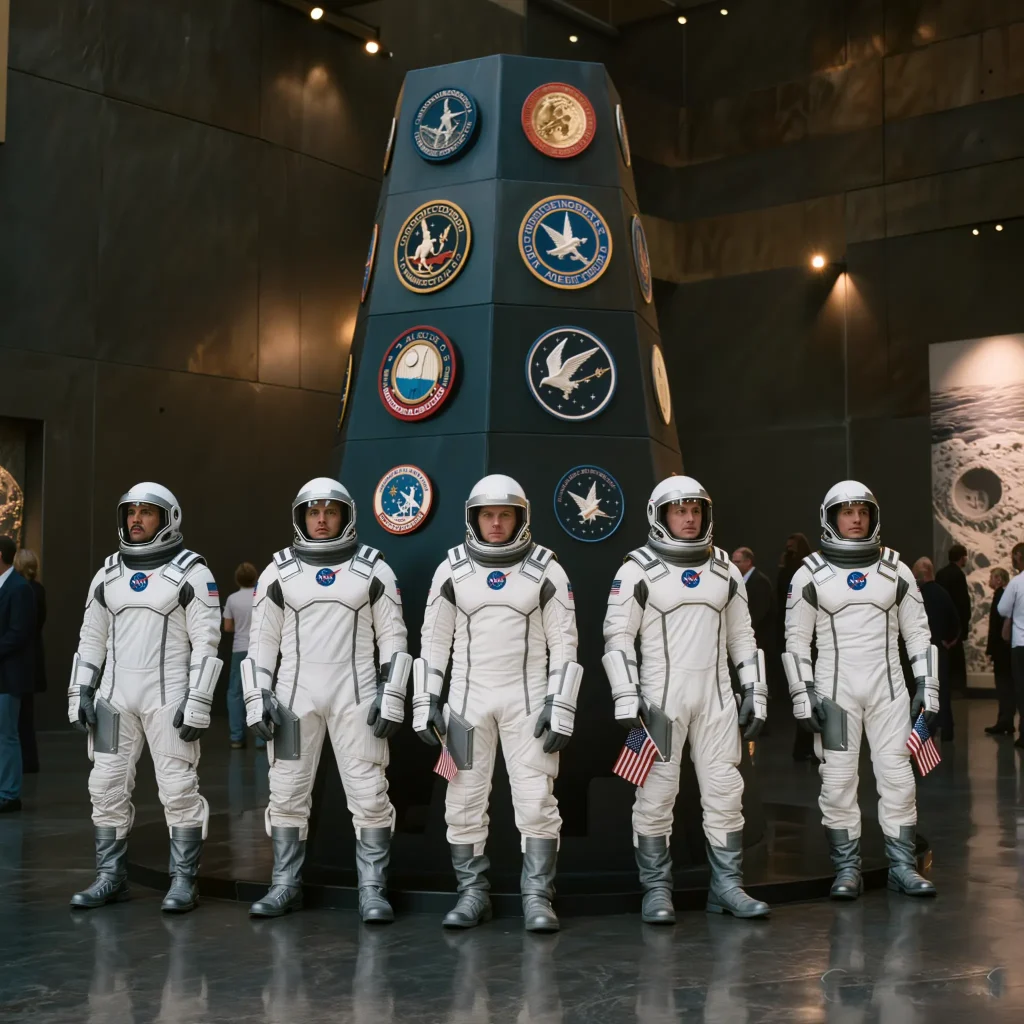
Artemis II, in particular, carries enormous symbolic weight because it is expected to be the first crewed mission of the Artemis era to travel around the Moon. That instantly places its astronauts in direct conversation with the Apollo generation.
This is why the tribute to Lovell lands so powerfully: it is not nostalgia for nostalgia’s sake. It is recognition that today’s lunar explorers are standing on the emotional and operational foundations built by people like him.
The Tribute Was Really About Continuity
At first glance, honoring a space legend may look like a simple gesture of respect. But in reality, the Artemis II crew’s message carries a deeper meaning: continuity.
Space programs need more than rockets and budgets. They need cultural continuity — a sense that each mission belongs to a larger human story.
By paying tribute to Lovell, the Artemis II team reinforced a powerful idea:
- Apollo was not the end of the Moon story
- The values of calm leadership still matter in modern exploration
- The next generation is not replacing the old one — it is extending it
- Spaceflight remains a profoundly human endeavor, not just a technological one
That kind of symbolism matters because it helps the public emotionally understand why these missions still matter at all.
Why NASA Needs These Human Moments More Than Ever
Modern space coverage often gets buried under acronyms, hardware milestones, launch windows, and policy jargon. Those details are important — but they do not always inspire people the way astronauts and legacy do.
That is where tributes like this become essential.
They remind audiences that the Artemis era is not only about returning to the Moon. It is about preserving a lineage of human curiosity, courage, and disciplined wonder.
In an age where private companies, global competition, and fragmented media all shape public attention, NASA still needs emotional clarity. And few things provide that better than honoring someone like Jim Lovell.
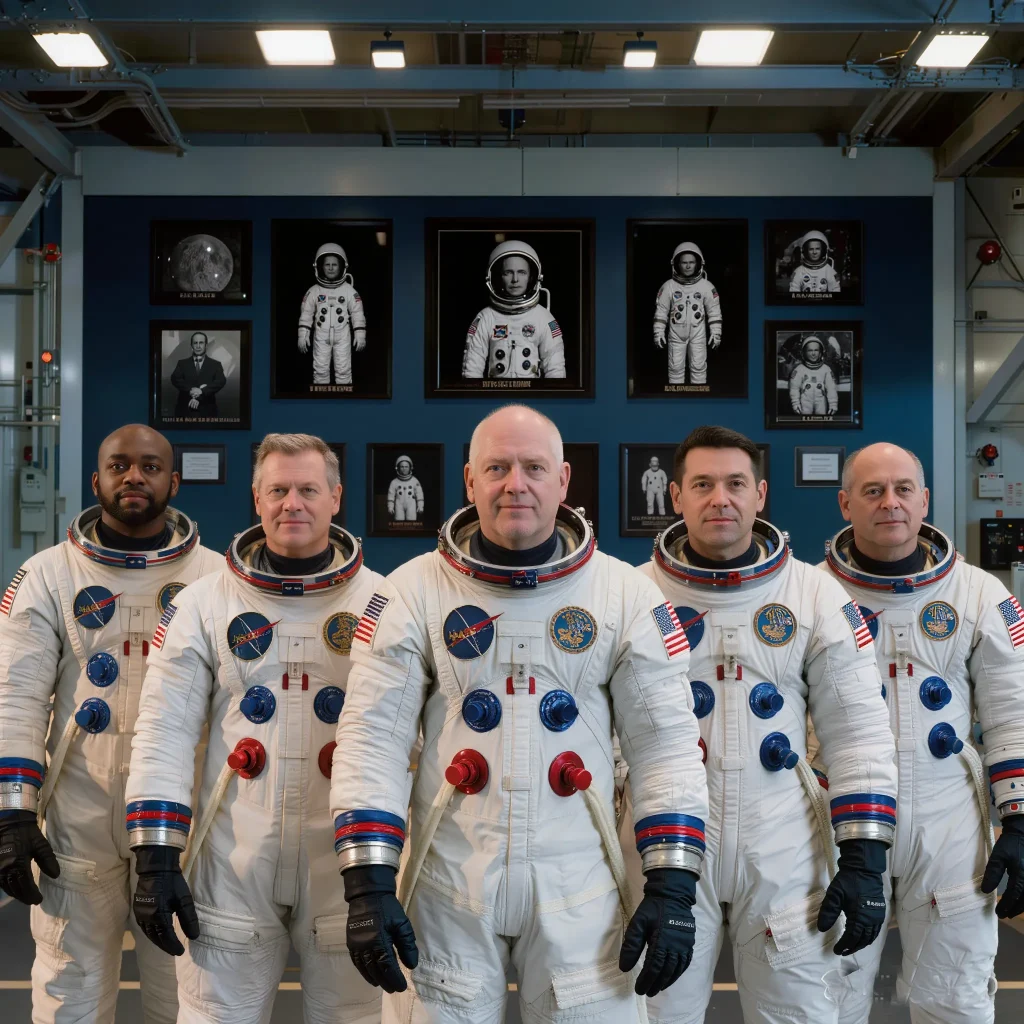
Why This Moment Hit So Hard for Space Fans
For longtime space enthusiasts, the tribute likely landed on a deeply emotional level because it compressed decades of exploration history into one symbolic handoff.
Lovell’s generation made lunar exploration possible. Artemis II’s generation is trying to make it sustainable again.
That bridge between eras is what gives the moment its power. It tells every space fan watching that this is not just a reboot of old glory — it is a continuation of unfinished human ambition.
The Artemis II crew’s tribute to Jim Lovell was not just respectful. It was strategic, emotional, and historically perfect.
It reminded the world that the path back to the Moon is not being built from scratch, it is being carried forward by people who understand exactly whose footsteps they are following — and why those footsteps still matter.
Because in the story of spaceflight, the greatest missions do not just launch forward. They carry history with them.
#ArtemisII #JimLovell #NASA #Apollo13 #MoonMission #SpaceExploration #ArtemisProgram #SpaceHistory #LunarMission