

 By Vinod Ram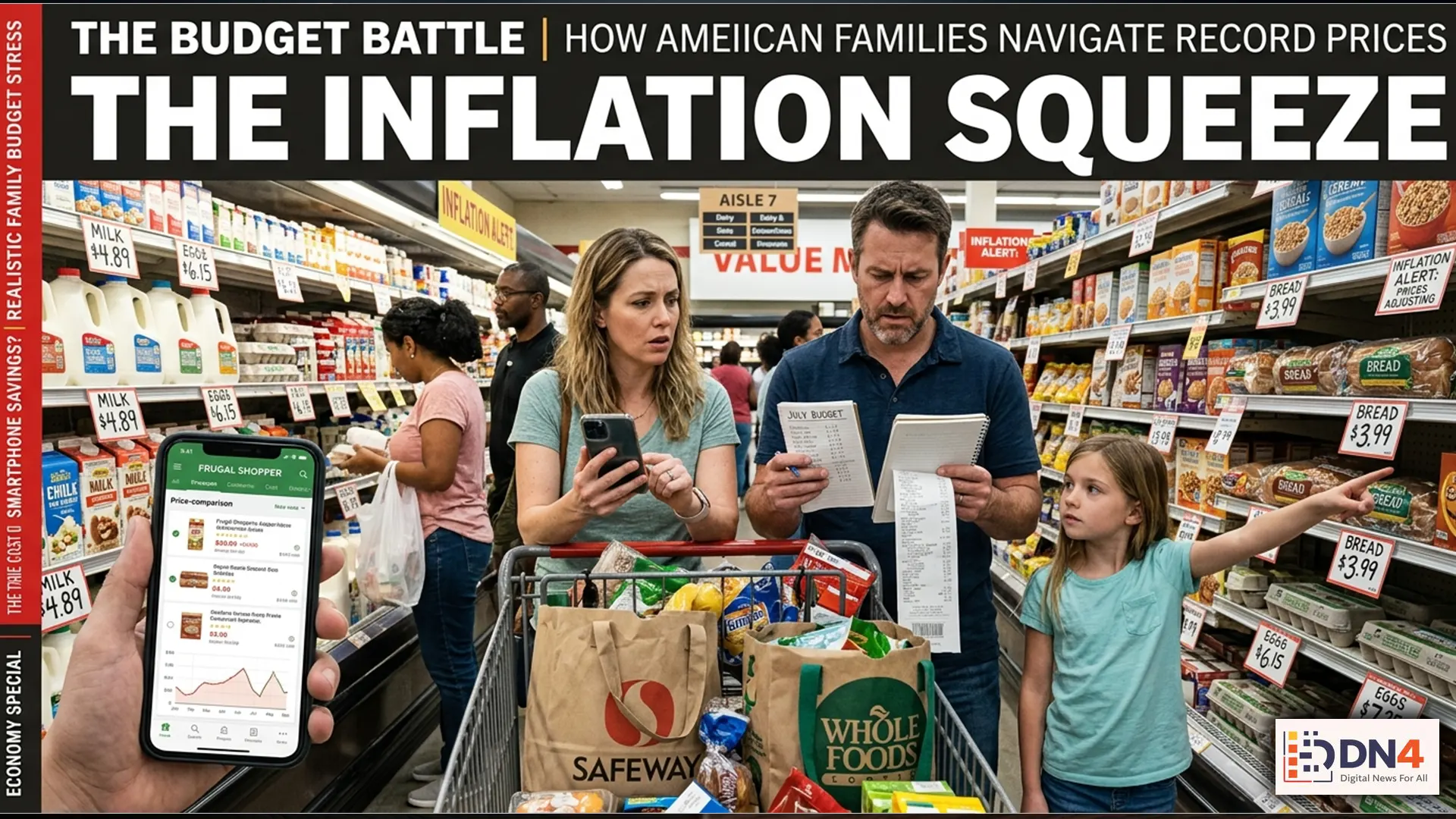
American consumers in April 2026 are doing something that looks contradictory on the surface: they are still spending, but they are doing it with far more hesitation, precision, and emotional fatigue than before.
That is why the best way to describe today’s shopper may be this: functional but fragile.
People are still buying groceries, electronics, clothing, home essentials, and occasional small luxuries — but they are doing so while navigating persistent inflation pressure, tariff-linked price increases, and a growing sense that almost every purchase now requires strategy.
This is not panic spending. It is survival spending with smarter habits.
And across the retail landscape, five clear consumer behaviors are emerging that show exactly how U.S. shoppers are adapting.
1. They’re Trading Brand Loyalty for Price Agility
One of the biggest shifts in 2026 is that many shoppers are no longer emotionally attached to brands the way they once were.
As prices remain elevated, consumers are increasingly willing to switch from name-brand products to store brands, private labels, or lower-cost alternatives if the savings feel immediate and practical. Retail analysts have noted this behavior across categories as households continue adjusting to broader retail spending pressure.
That is especially true in categories like:
- Groceries
- Household essentials
- Cleaning products
- Basic apparel
- Packaged food
In past years, convenience and familiarity often won. In 2026, price flexibility is winning more often.
Shoppers are not necessarily “downgrading” in their minds — they are recalibrating value.
2. They’re Timing Purchases More Aggressively
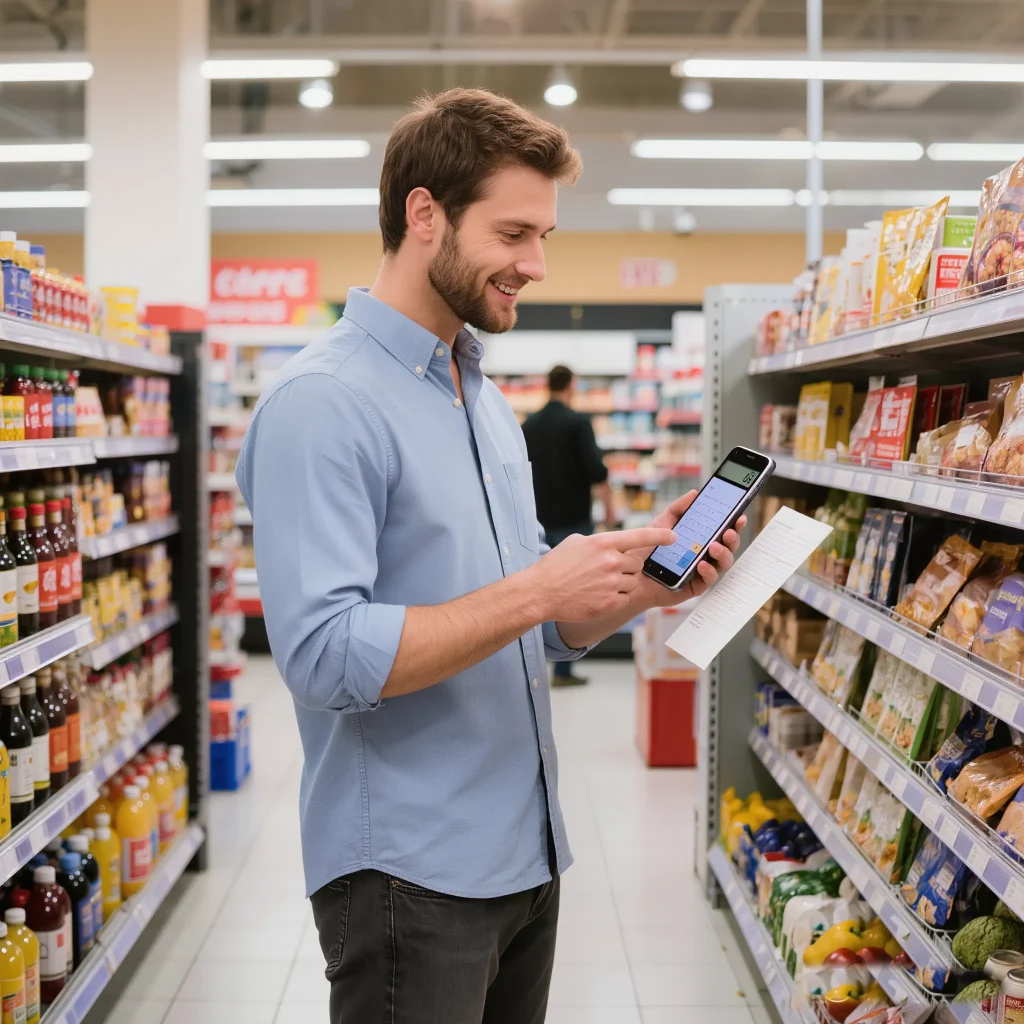
Consumers are also becoming far more tactical about when they buy.
Instead of purchasing items as soon as they need or want them, many shoppers are now waiting for:
- Flash sales
- Retail app discounts
- Coupon stacking opportunities
- Price drops flagged by digital tools
- Off-season markdown cycles
This is a major behavioral change because it means shoppers are no longer just responding to price — they are trying to outmaneuver it.
Retailers may still move inventory, but the consumer is becoming much harder to impulse-convert. That aligns with broader retail industry trend analysis showing more deliberate purchase timing and less emotional buying.
In other words, the average shopper is behaving less like a casual consumer and more like a tactical buyer.
3. They’re Buying “Smaller Luxuries” Instead of Big Upgrades
One of the most fascinating consumer trends of 2026 is the rise of controlled indulgence.
People still want moments of reward, comfort, and emotional escape — but instead of spending big on major discretionary purchases, they are redirecting that desire into smaller, more psychologically manageable treats.
That can include:
- Premium snacks or coffee
- Affordable beauty products
- Low-cost home décor refreshes
- Fashion accessories instead of full wardrobe overhauls
- Mini tech upgrades instead of full-device replacements
This behavior reflects something important: consumers are still emotionally seeking joy, but they are trying to buy it in smaller, safer doses. It also fits with consumer sentiment patterns observed in recent retail and household spending research.
That is not irrational. It is a pressure-management strategy.
4. They’re Using Digital Tools to Outsmart Retail Pricing
Today’s inflation-era shopper is not just budget-conscious — they are increasingly tech-assisted.
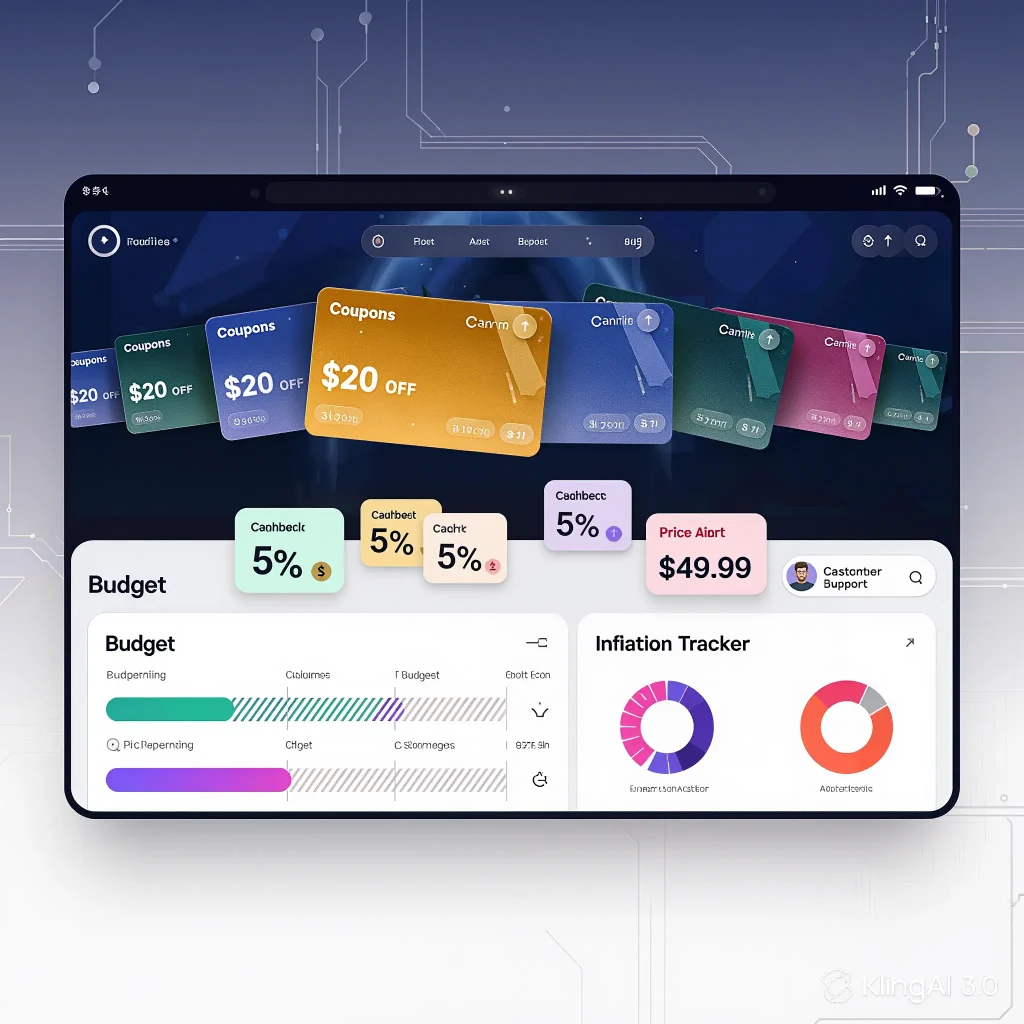
Consumers are using apps, browser tools, cashback platforms, loyalty systems, and price trackers to make sure they are not overpaying.
That means shoppers are actively comparing:
- Retailer pricing
- Shipping costs
- Return flexibility
- Subscription discounts
- Bundle value
This matters because pricing power is no longer one-sided. Consumers now have more visibility than ever into whether a “deal” is actually real. Platforms like Consumer Reports and shopping comparison ecosystems are helping buyers validate claims before they commit.
And in an inflation-heavy environment, transparency becomes its own form of consumer defense.
5. They’re Prioritizing Durability Over Trendiness
Another quiet but powerful shift is happening in how people define value.
Instead of chasing whatever is newest or most hyped, more shoppers are increasingly asking a simpler question: Will this last?
That mindset is reshaping decisions across categories like:
- Clothing
- Footwear
- Kitchen tools
- Furniture
- Personal electronics
Consumers may still care about aesthetics and trend appeal, but durability is becoming a stronger filter than it was during cheaper-credit, lower-friction spending cycles. That trend also reflects broader concern about household spending efficiency and long-term value.
That is a sign of a more defensive consumer mindset — one focused less on novelty and more on resilience.
Why This “Functional but Fragile” Mindset Matters
These five habits all point to the same broader truth: American consumers have not stopped participating in the economy — but they are doing so with much less psychological slack.
They are still spending, but the margin for error feels smaller. The confidence behind the transaction is weaker. And the emotional labor behind ordinary purchases is much higher than many headlines capture.
That is why this consumer moment matters so much.
It is not just about what people are buying. It is about how much thought, caution, and self-protection now goes into every decision.
For additional perspective on household stress and changing spending psychology, recent public trend coverage from Pew Research Center and U.S. consumer data sources helps explain why shoppers are becoming more tactical than emotional.
The U.S. shopper of April 2026 is not broken. But they are clearly under pressure.
They are adapting through smarter substitutions, tighter timing, smaller indulgences, digital discipline, and a stronger focus on lasting value.
That is what makes today’s consumer functional but fragile: they are still moving — but they are doing it with far less room to absorb another financial hit.
#Inflation2026 #ConsumerTrends #USShoppers #RetailNews #Tariffs #PersonalFinance #ShoppingTips #CostOfLiving #EconomicTrends #digitalnewsforall