

 By Vinod Ram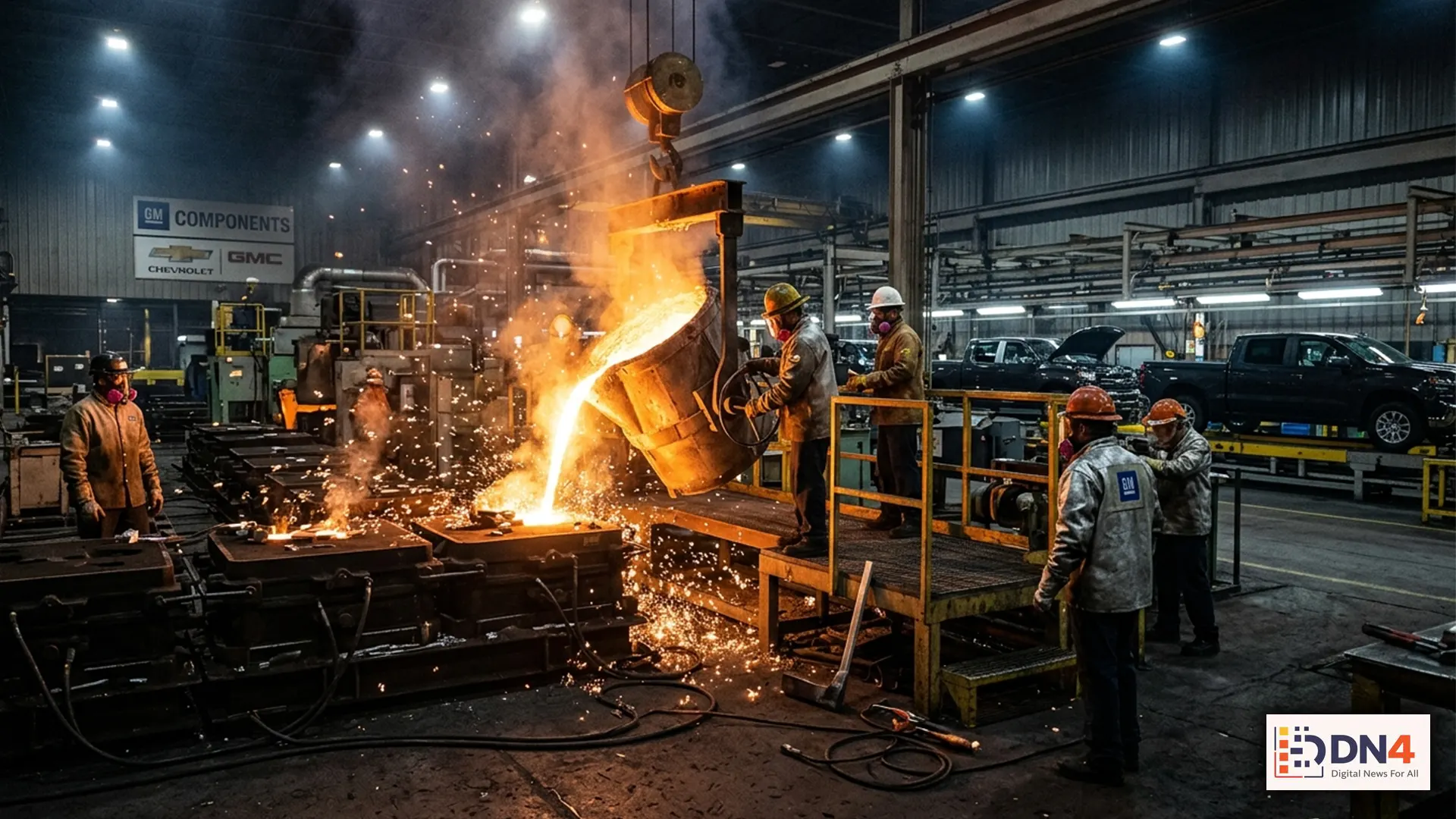
General Motors is making a loud statement about where it sees its future profits: full-size trucks. With a $150 million investment in its Saginaw Metal Casting Operations in Michigan, GM is doing more than upgrading a factory—it is reinforcing the backbone of one of its most profitable business segments.
At a time when the auto industry is balancing electrification, tighter margins, and shifting consumer demand, GM’s move suggests one thing clearly: the pickup truck business still matters enormously. And not just in the U.S., but across North America’s broader manufacturing and supply chain ecosystem.
Why Saginaw Matters More Than It Looks
The Saginaw Metal Casting Operations plant may not grab headlines like a new EV launch, but facilities like this are critical to how automakers protect margins and maintain production scale. According to General Motors, casting operations support the production of vital drivetrain and vehicle components that feed some of the company’s highest-volume and highest-profit nameplates.
That includes truck platforms tied to the Chevrolet Silverado and GMC Sierra, two vehicles that remain central to GM’s North American earnings power.
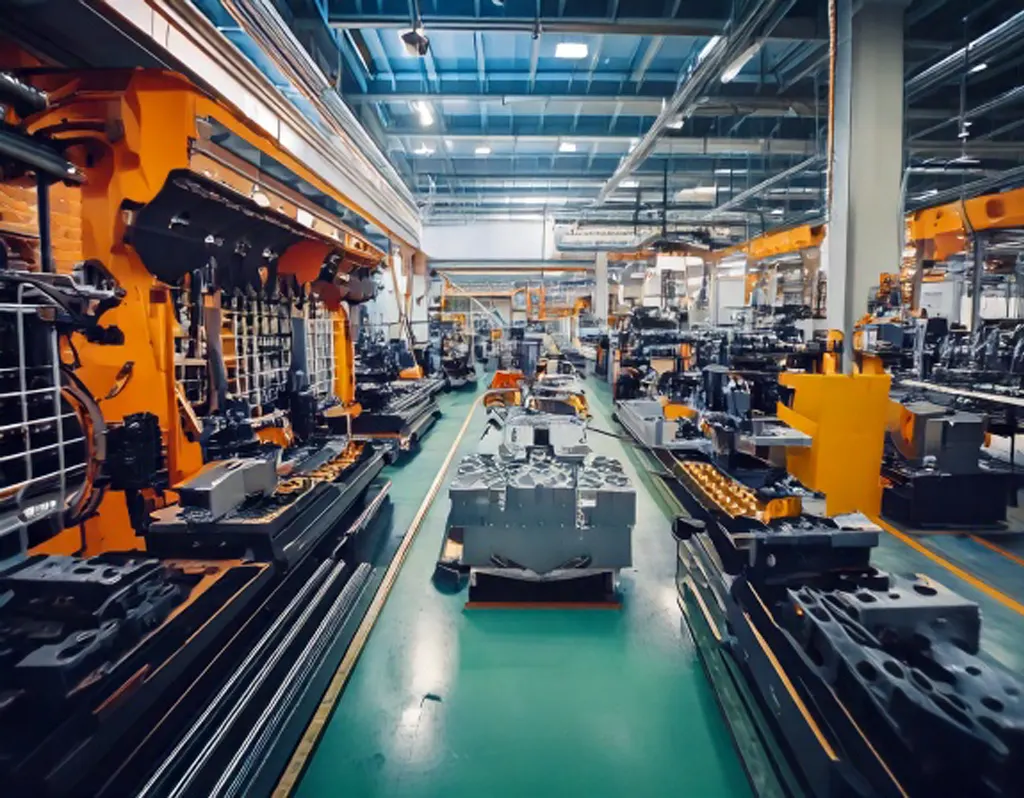
In practical terms, investing in casting means GM is working to improve:
- Manufacturing efficiency
- Supply chain resilience
- Component quality and durability
- Long-term truck production stability
Why Trucks Still Drive GM’s Business
Even as electric vehicles dominate future-facing headlines, large trucks and SUVs continue to generate some of the highest margins in the automotive business. That’s especially true in the U.S. market, where demand for work trucks, towing capacity, fleet sales, and premium trims remains strong.
Industry data from sources like Cox Automotive and Statista has consistently shown that pickup trucks remain among America’s best-selling and most culturally durable vehicle categories.
That is why this investment matters. GM isn’t just spending on metal casting—it is protecting the infrastructure behind a product category that continues to finance much of its broader strategy, including technology development and EV expansion.
The Strategic Timing Behind the $150 Million Move
There is also a timing advantage here. Automakers are increasingly under pressure to localize production, reduce supply bottlenecks, and improve factory efficiency after years of disruption. By strengthening domestic manufacturing in Michigan, GM is also aligning itself with broader U.S. industrial priorities and regional job support.
That matters in a competitive environment where rivals like Ford and Stellantis are also aggressively reshaping their North American production footprints.
For investors and industry watchers, this isn’t just about one factory. It’s about how legacy automakers are quietly building the systems that will keep their most profitable vehicles moving while the rest of the industry races toward transition.
What This Means for the Future of GM Trucks
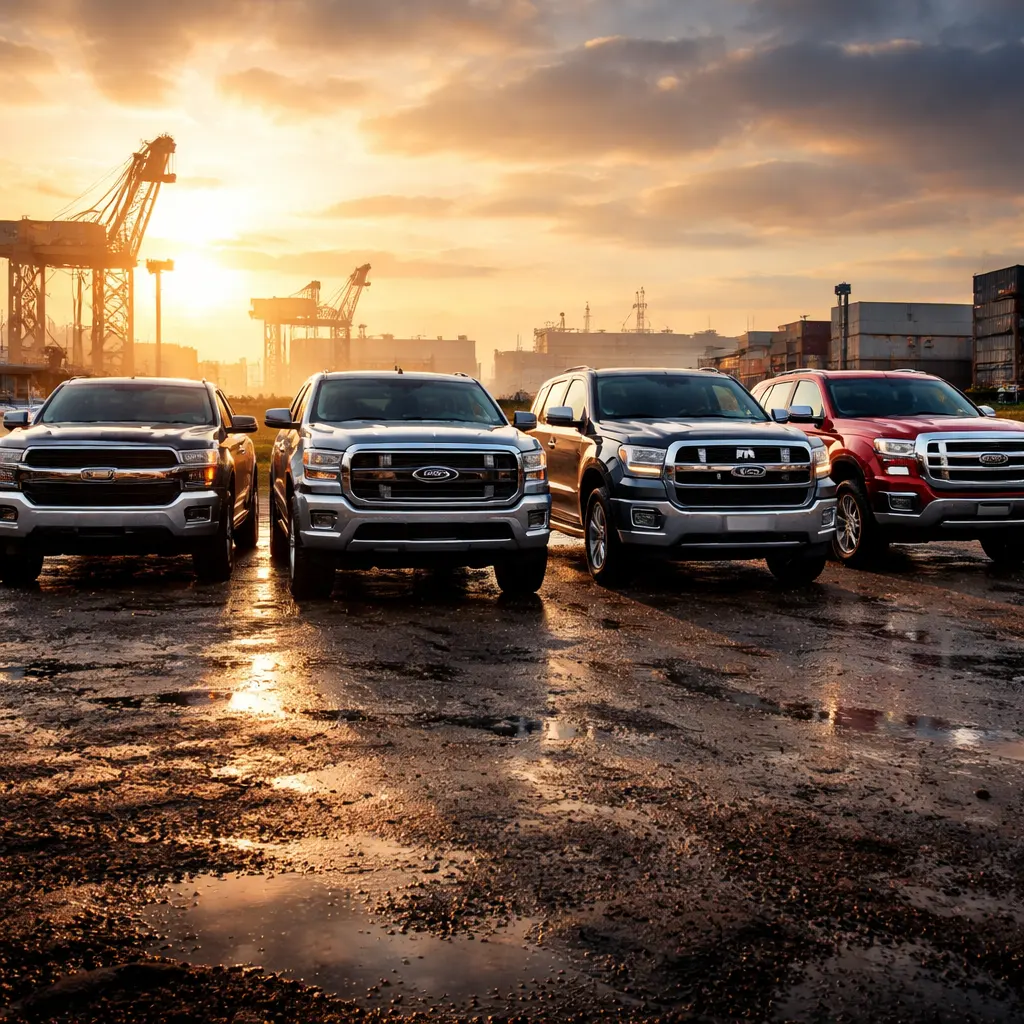
GM’s Saginaw investment sends a broader message: truck dominance is still worth defending. While the company continues to push into EVs, software, and next-generation mobility, it clearly understands that today’s cash engine still comes from durable, high-demand, full-size trucks.
That makes this investment both practical and symbolic. Practical because it supports output and manufacturing quality. Symbolic because it confirms that in the modern auto industry, innovation does not replace profitable legacy strength overnight—it is often funded by it.
For now, the road to the future still runs through America’s truck market, and GM appears determined to own as much of that lane as possible.
GM’s $150 million casting investment in Saginaw is not just a factory story—it is a strategic declaration. In an era of EV hype and supply chain recalibration, the company is doubling down on what still delivers: trucks, scale, and manufacturing control.
#GM #GeneralMotors #TruckIndustry #AutoManufacturing #MichiganManufacturing #PickupTrucks #USAutoIndustry #ChevySilverado #GMCSierra #IndustrialInvestment #EVTransition