

 By Vinod Ram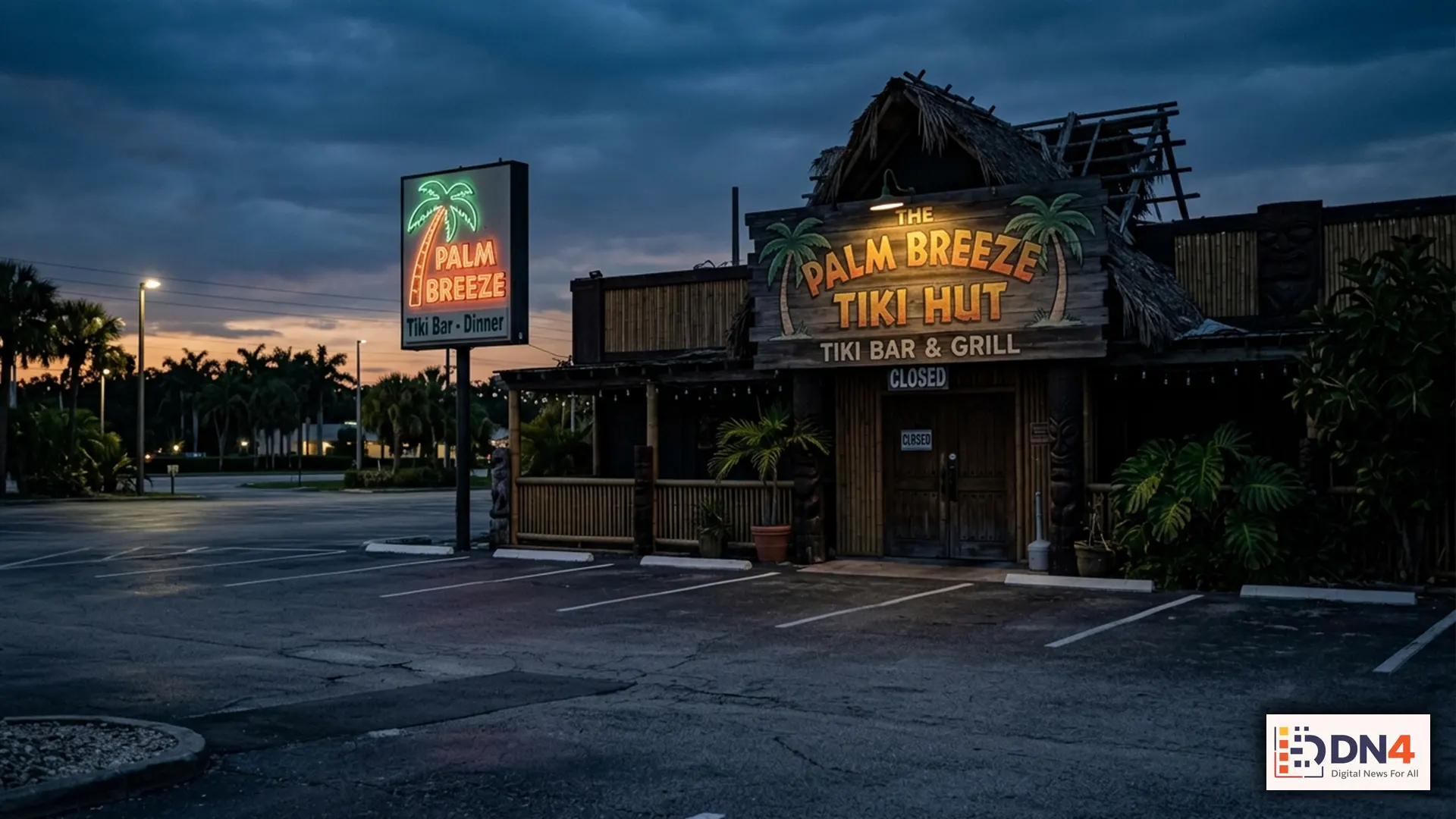
For years, Bahama Breeze sold more than food. It sold escape—tropical cocktails, island-themed dining rooms, and the promise of a mini-vacation without leaving the suburbs. But this week, that escape is shrinking fast.
Darden Restaurants, the parent company behind brands like Olive Garden and LongHorn Steakhouse, is shutting down 14 Bahama Breeze locations, a move that says far more about the modern restaurant economy than one brand’s struggles.
At first glance, the closures may look like a simple portfolio cleanup. In reality, they reflect a deeper shift in how Americans are spending, where casual dining is losing momentum, and why “experience-driven” restaurant concepts are becoming harder to sustain in a tighter consumer environment.
Why Darden Is Pulling Back Now
Restaurant closures rarely happen in a vacuum. Operators are being squeezed by a combination of higher labor costs, rising food prices, real estate pressure, and more cautious customer spending. Even large chains with national scale are being forced to evaluate which concepts still justify their footprint.
According to Darden Restaurants, the company has increasingly focused on operational efficiency and performance discipline across its portfolio. That usually means one thing: underperforming brands or locations face tougher scrutiny when consumer demand softens.
And Bahama Breeze, despite its recognizable identity, may simply no longer fit where the market is heading.
The Real Problem With “Destination Dining” in 2026
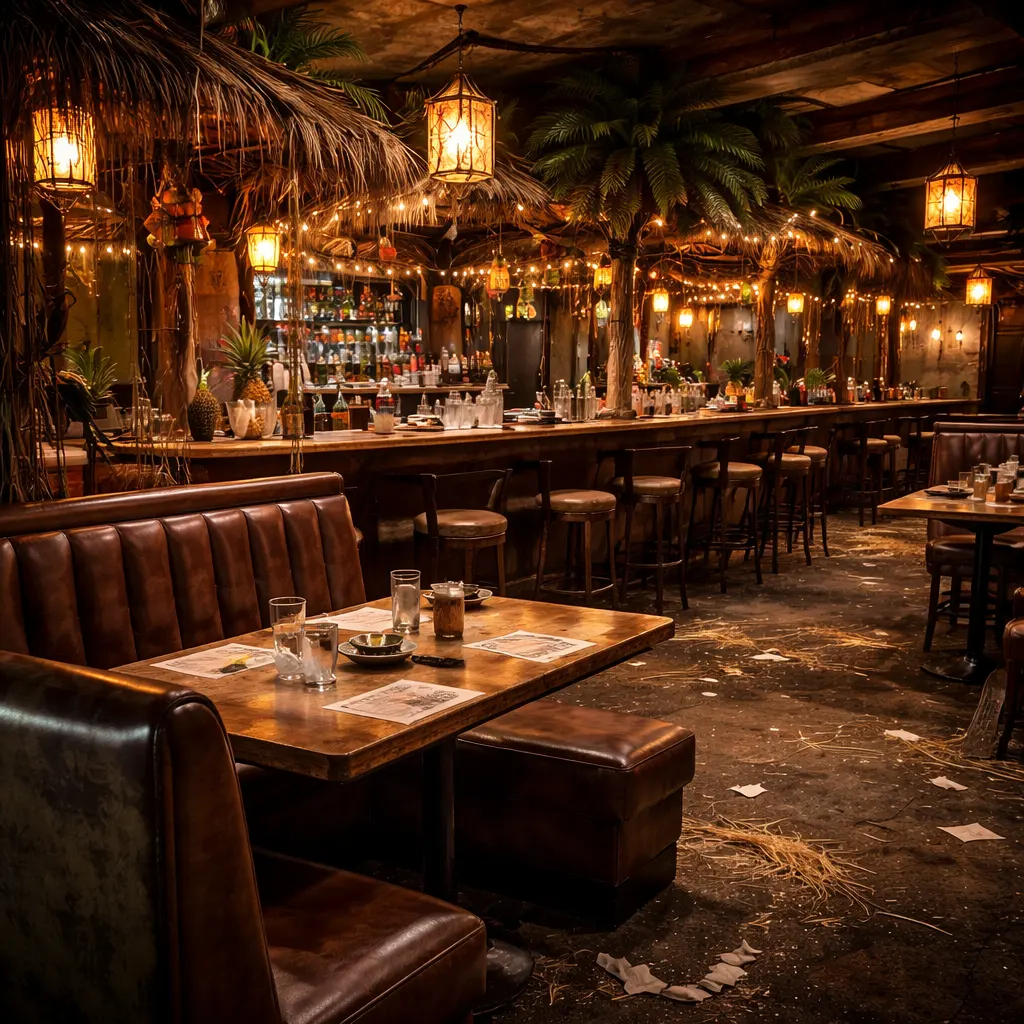
Bahama Breeze was built around an idea that worked well in a different consumer era: make dinner feel like an event. But in today’s market, many diners are making more value-conscious decisions, choosing either:
- Fast casual convenience
- Premium dining for special occasions
- Trusted mainstream chains with stronger loyalty pull
That leaves themed casual dining in an uncomfortable middle. It is often more expensive to operate, more difficult to differentiate, and easier for consumers to skip when budgets tighten.
Recent restaurant industry reporting from Restaurant Business, Nation’s Restaurant News, and consumer trend coverage from CNBC has repeatedly highlighted the pressure on mid-tier dining chains that rely on atmosphere as much as menu demand.
That appears to be exactly where Bahama Breeze has been vulnerable.
Why This Matters Beyond One Restaurant Brand
This story is bigger than island décor and frozen drinks. Darden’s decision points to a broader truth about the restaurant industry right now: brands are being forced to justify every square foot.
In an environment where traffic growth is harder to find, large operators are doubling down on brands that are easier to scale, more operationally efficient, and more resilient across income levels.
That is why concepts like Olive Garden and LongHorn often remain strategically stronger. They have clearer mainstream positioning, broader customer familiarity, and more consistent repeat traffic. A more niche chain like Bahama Breeze has a harder time surviving when the dining market becomes less forgiving.
What Darden’s Move Signals for Casual Dining
The closure of 14 locations may not mean Bahama Breeze disappears entirely, but it does suggest that restaurant companies are entering a more ruthless phase of portfolio management. Investors want stronger margins. Consumers want better value. And brands stuck in the middle are increasingly exposed.
That matters for the entire casual dining sector, where many legacy chains are now facing a defining question: are they still a habit, or just a nostalgia brand?
For Bahama Breeze, this week’s closures feel like a warning shot.
Darden is not just closing restaurants. It is responding to a consumer economy that has become less patient, less impulsive, and more selective about where dining dollars go.
Bahama Breeze once thrived on mood, novelty, and escape. But in 2026, the restaurant business is increasingly about efficiency, repeatability, and value. That is what makes these 14 closures more than a local business story—they are a sign of where the casual dining industry may be heading next.
#BahamaBreeze #DardenRestaurants #RestaurantClosures #CasualDining #FoodIndustry #ConsumerSpending #RestaurantNews #BusinessNews #DiningTrends #HospitalityIndustry #RetailEconomy