

 By Vinod Ram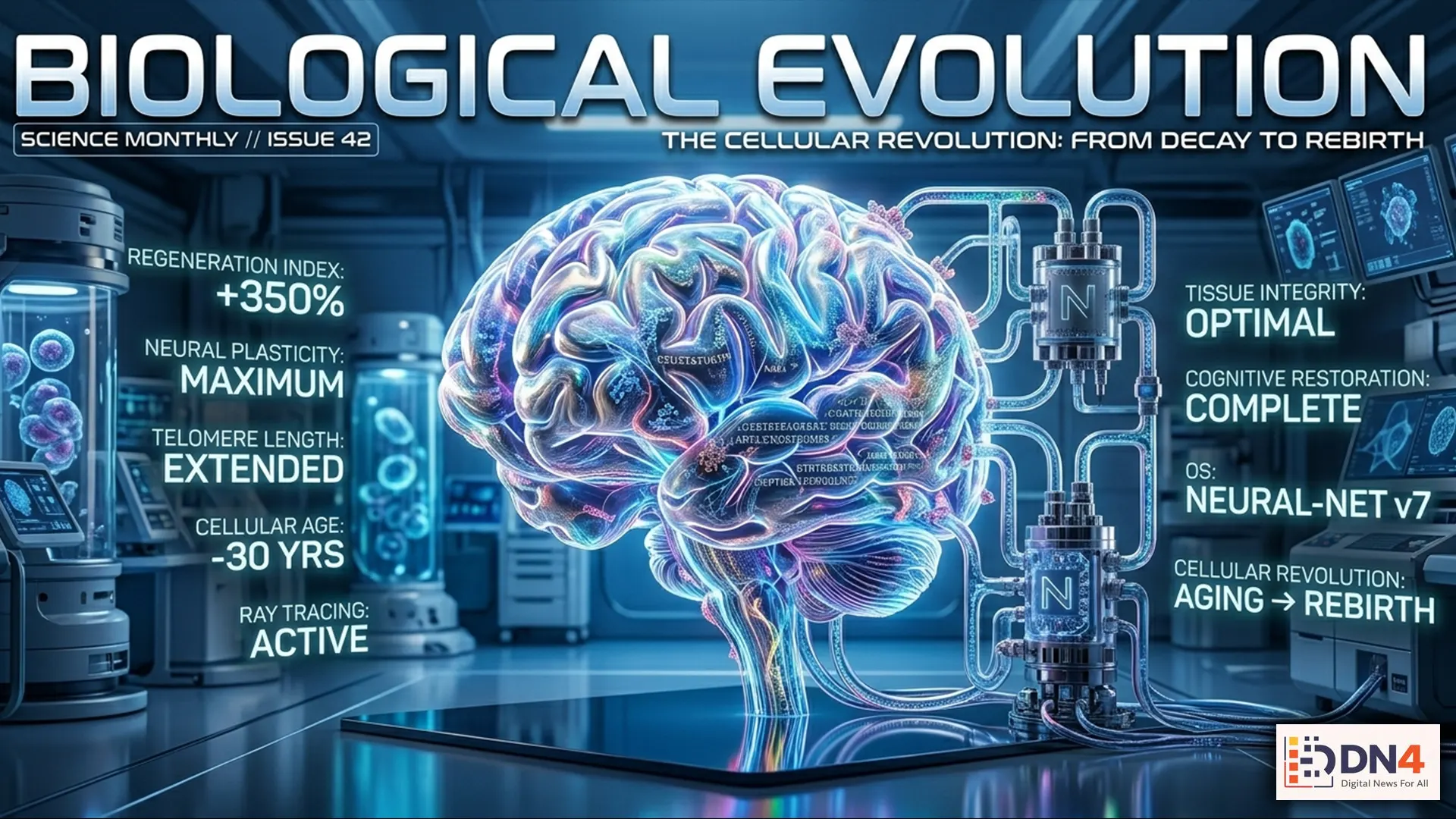
For years, “brain aging” was treated like a one-way street: inevitable, mostly irreversible, and something you could only hope to slow down. In 2026, that idea is starting to crack.
New research in neuroscience, longevity, and cognitive health suggests the better question is no longer “Can we do anything about brain aging?” It is: Which interventions actually work best—and how much of the decline is still modifiable?
That is why brain-aging conversations are getting so much attention heading into the NOVA (Neuroscience of Vitality and Aging) moment in 2026. While there is still no magic reset button for the human brain, the evidence is becoming harder to ignore: you can influence how your brain ages far more than most people think.
Here are five science-backed ways that matter most right now.
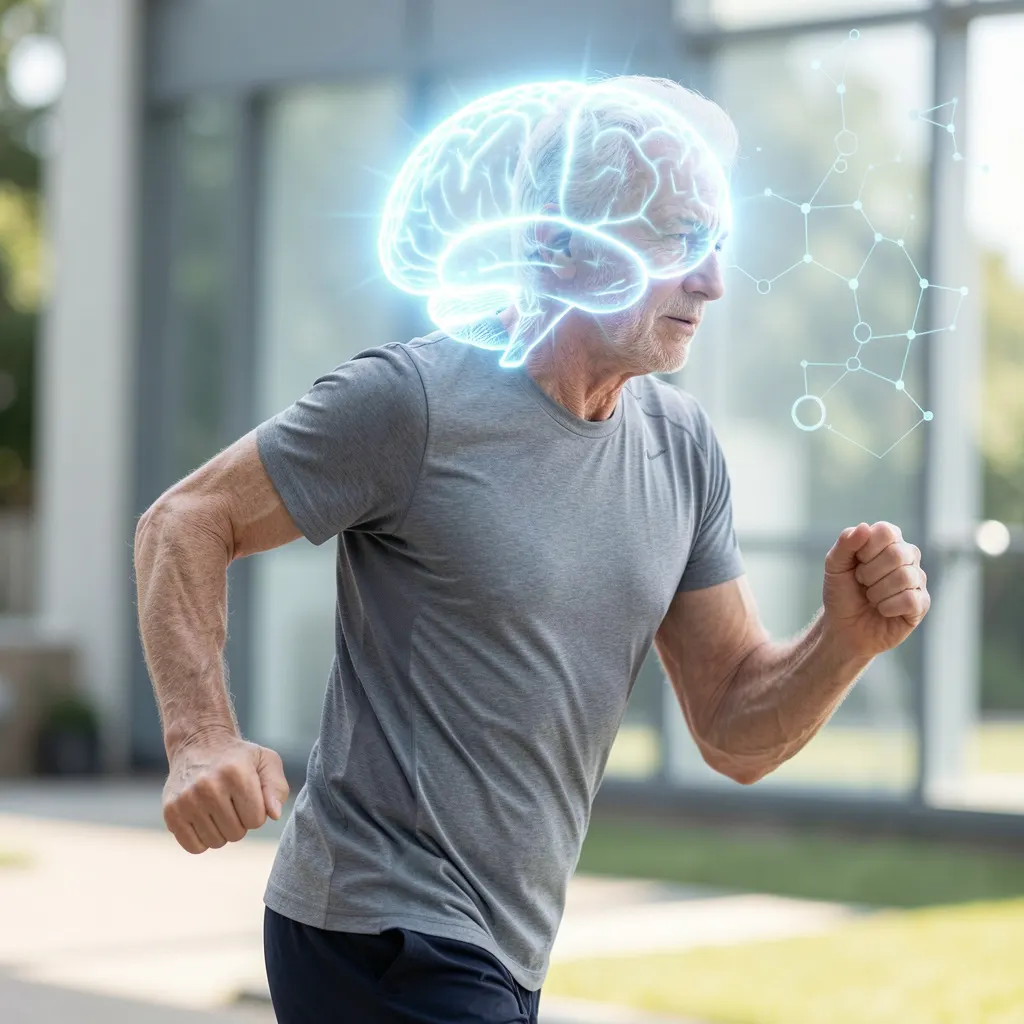
1) Exercise Like It’s Brain Medicine—Because It Basically Is
If you only pick one habit to protect long-term cognition, make it movement.
Physical activity remains one of the strongest evidence-backed interventions for brain health because it improves blood flow, supports neuroplasticity, reduces inflammation, and helps preserve the brain systems most vulnerable to age-related decline. A recent narrative review on physical activity and the aging brain reinforced just how broad those benefits can be.
The smartest upgrade in 2026 is not just “exercise more.” It is to combine:
- Aerobic training for circulation and endurance
- Strength work for metabolic and hormonal resilience
- Coordination or balance-heavy movement for neural complexity
Your brain likes novelty almost as much as your muscles do.
2) Protect Sleep Like It’s a Cognitive Performance Tool
Sleep is no longer just a “rest” conversation. It is a brain maintenance system.
One of the biggest reasons sleep matters is that it supports the brain’s waste-clearance and recovery processes, while poor or inconsistent sleep is increasingly linked to worse memory, slower processing, and long-term cognitive risk. Recent reporting and research summaries have continued to emphasize how essential deep sleep is for keeping the brain resilient over time.
If you want a practical anti-brain-aging rule: stop treating sleep as the first thing you sacrifice for productivity.
In real terms, better sleep often means:
- More consistent attention
- Better memory consolidation
- Lower mental fatigue
- Stronger emotional regulation
That is not laziness. That is maintenance.
3) Train Your Brain With Friction, Not Just Entertainment
There is a major difference between being mentally busy and being cognitively challenged.
The healthiest brains tend to keep doing hard things: learning, adapting, remembering, problem-solving, and working through discomfort instead of only consuming passive stimulation. That does not mean everyone needs chess tournaments or advanced math. It means your brain needs effort, novelty, and complexity.
Useful examples include:
- Learning a language
- Playing an instrument
- Practicing strategy-based games
- Doing real-world skill learning that forces adaptation
In 2026, one of the more overlooked cognitive risks may actually be frictionless living—too much scrolling, too much convenience, and too little mental strain.

4) Upgrade Metabolic Health to Protect the Brain
One of the most important shifts in modern neuroscience is this: brain health is not separate from body health.
Blood sugar regulation, cardiovascular fitness, blood pressure, inflammation, and diet quality all influence how well the brain ages. That is why many researchers now treat cognitive longevity as a full-body systems issue, not just a “memory” issue.
One recent large-scale lifestyle analysis highlighted how even small improvements in sleep, physical activity, and nutrition can compound meaningfully over time. That matters because the brain is extremely sensitive to metabolic instability.
Translation: protecting your brain often starts with boring things that are not actually boring at all—walking more, eating better, and keeping your cardiometabolic markers under control.
5) Watch the Lab Breakthroughs—But Don’t Wait for Them
Here is where 2026 gets especially interesting.
Researchers are increasingly identifying molecular “switches” involved in brain aging, including proteins and pathways tied to inflammation, tau buildup, and neural stem cell regeneration. New findings around OTULIN and DMTF1 suggest that some aspects of brain aging may be more biologically reversible than once assumed.
That is exciting—but it is also where people get sloppy.
These are early-stage breakthroughs, not permission slips to ignore the basics while waiting for a future anti-aging pill. The smarter mindset is this: use the proven habits now while the cutting-edge science catches up.
The biggest brain-aging breakthrough in 2026 may not be one miracle therapy. It may be the growing realization that brain decline is more dynamic—and more influenceable—than we were taught.
If you want the strongest current strategy, it is not mysterious:
- Move more
- Sleep better
- Challenge your brain
- Protect metabolic health
- Stay curious about what science is uncovering next
Because the future of brain health is not just about living longer. It is about staying mentally alive while you do.
#BrainAging #ReverseAging #Longevity #BrainHealth #Neuroscience #HealthyAging #CognitiveHealth #SleepScience #ExerciseScience #MentalPerformance #HealthNews