

 By Vinod Ram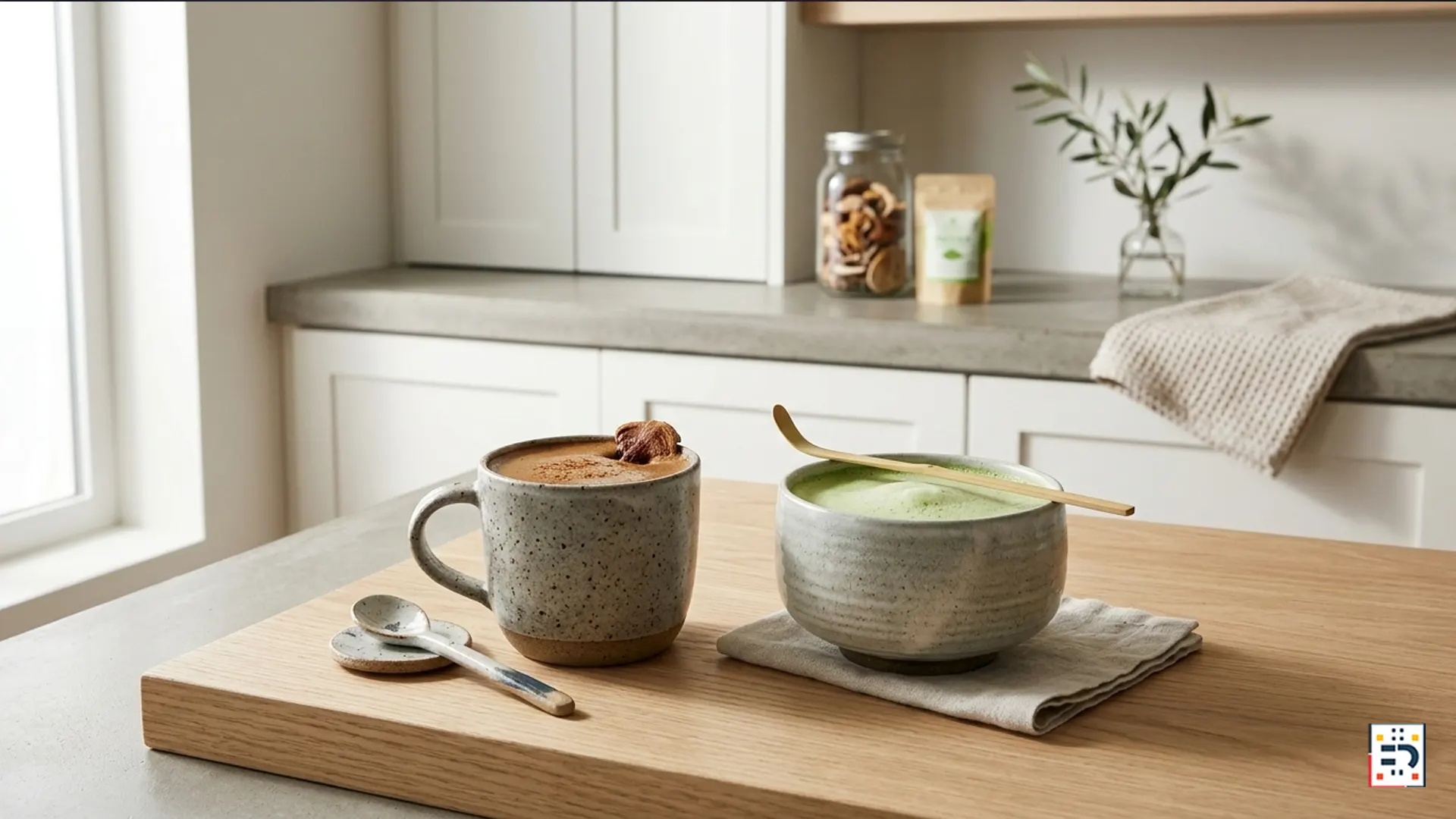
As more people look to reduce traditional coffee intake, the debate around mushroom coffee vs matcha is heating up. Both promise smoother energy, better focus, and fewer jitters — but they work in very different ways.
If you’re trying to optimize mental clarity without the classic caffeine crash, here’s what you need to know.
What Is Mushroom Coffee?
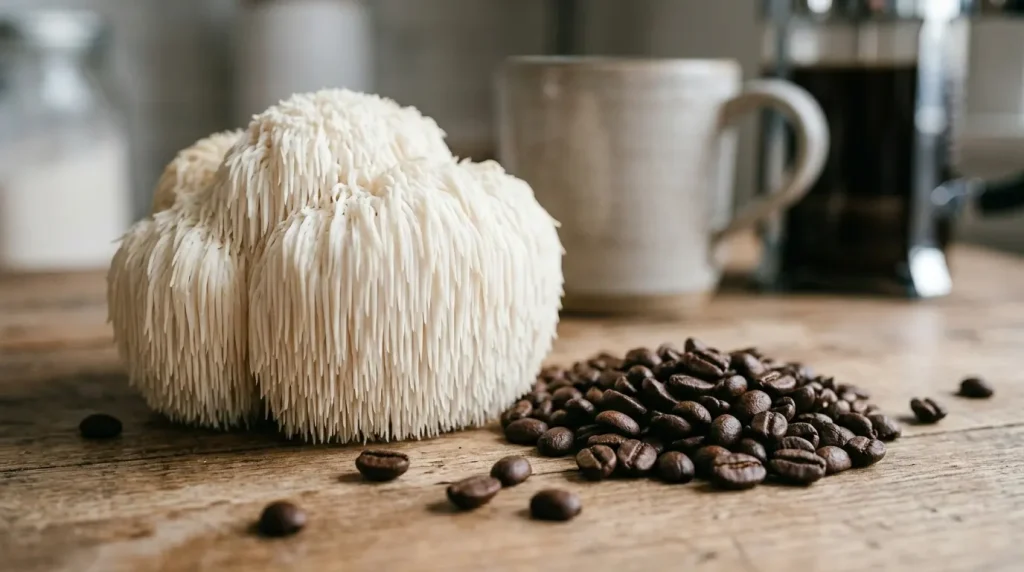
Mushroom coffee blends traditional coffee beans with powdered medicinal mushrooms such as Lion’s Mane and Reishi.
These fungi are considered adaptogens — substances that may help the body respond to stress. According to research published by the National Center for Biotechnology Information, Lion’s Mane has been studied for its potential cognitive support properties.
Typical caffeine content: 40–70 mg per cup (lower than regular coffee).
Potential focus benefits:
- Reduced jitters
- Sustained mental clarity
- Lower stress response
What Is Matcha?
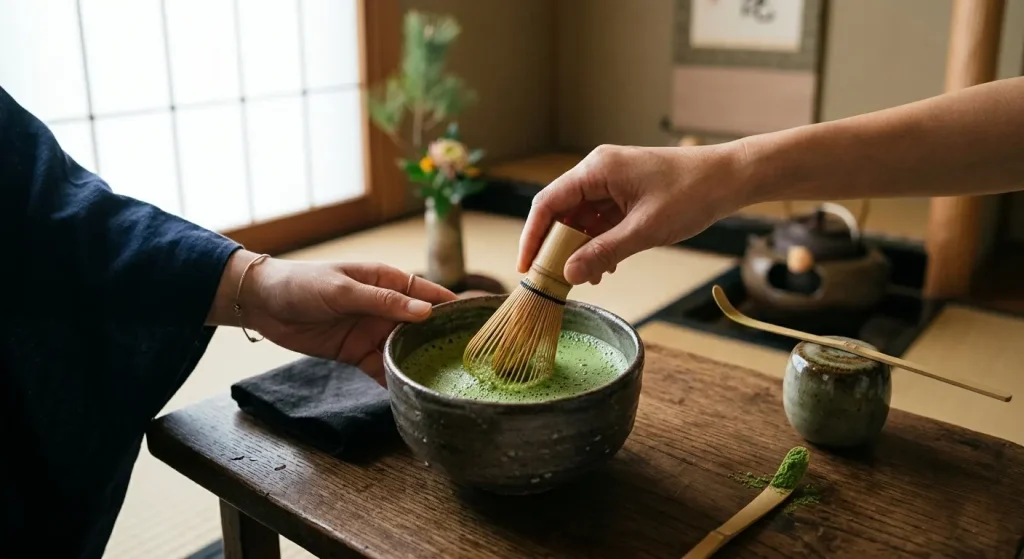
Matcha is finely ground green tea powder traditionally used in Japanese tea ceremonies. Unlike regular green tea, you consume the entire leaf — delivering higher concentrations of antioxidants and amino acids.
Matcha contains L-theanine, an amino acid known for promoting calm alertness. Research supported by the Harvard T.H. Chan School of Public Health suggests L-theanine can smooth caffeine’s stimulating effects.
Typical caffeine content: 60–80 mg per serving.
Potential focus benefits:
- Calm but alert mental state
- Improved attention span
- Minimal energy crash
Energy Curve: Crash or Clarity?
Here’s where mushroom coffee vs matcha becomes interesting:
- Mushroom Coffee: Lower caffeine, potentially gentler energy lift.
- Matcha: Moderate caffeine plus L-theanine for smoother stimulation.
Because L-theanine slows caffeine absorption, matcha often produces a longer-lasting focus window compared to standard coffee.
Stress & Adaptogens
Mushroom coffee advocates argue that adaptogens help regulate cortisol levels. While research is still evolving, functional mushroom blends are increasingly popular in wellness communities.
Matcha, meanwhile, supports relaxation via L-theanine — but without adaptogenic compounds.
Antioxidant Power
Matcha contains high levels of catechins, especially EGCG, powerful antioxidants linked to overall health support. Mushroom coffee contains antioxidants as well, depending on the blend, but matcha typically wins in this category.
Who Should Choose What?
Choose Mushroom Coffee If You:
- Are sensitive to caffeine
- Want a coffee-like taste
- Prefer adaptogenic benefits
Choose Matcha If You:
- Want sustained focus for work or study
- Prefer plant-based antioxidants
- Like a smooth, earthy tea flavor
When comparing mushroom coffee vs matcha for focus, both offer cleaner alternatives to traditional coffee. Matcha may deliver more consistent cognitive performance due to L-theanine synergy, while mushroom coffee provides a gentler, lower-caffeine option with adaptogenic appeal.
The best choice depends on your caffeine tolerance and daily routine.
#MushroomCoffee #Matcha #NaturalEnergy #FocusBoost #HealthyHabits