

 By Vinod Ram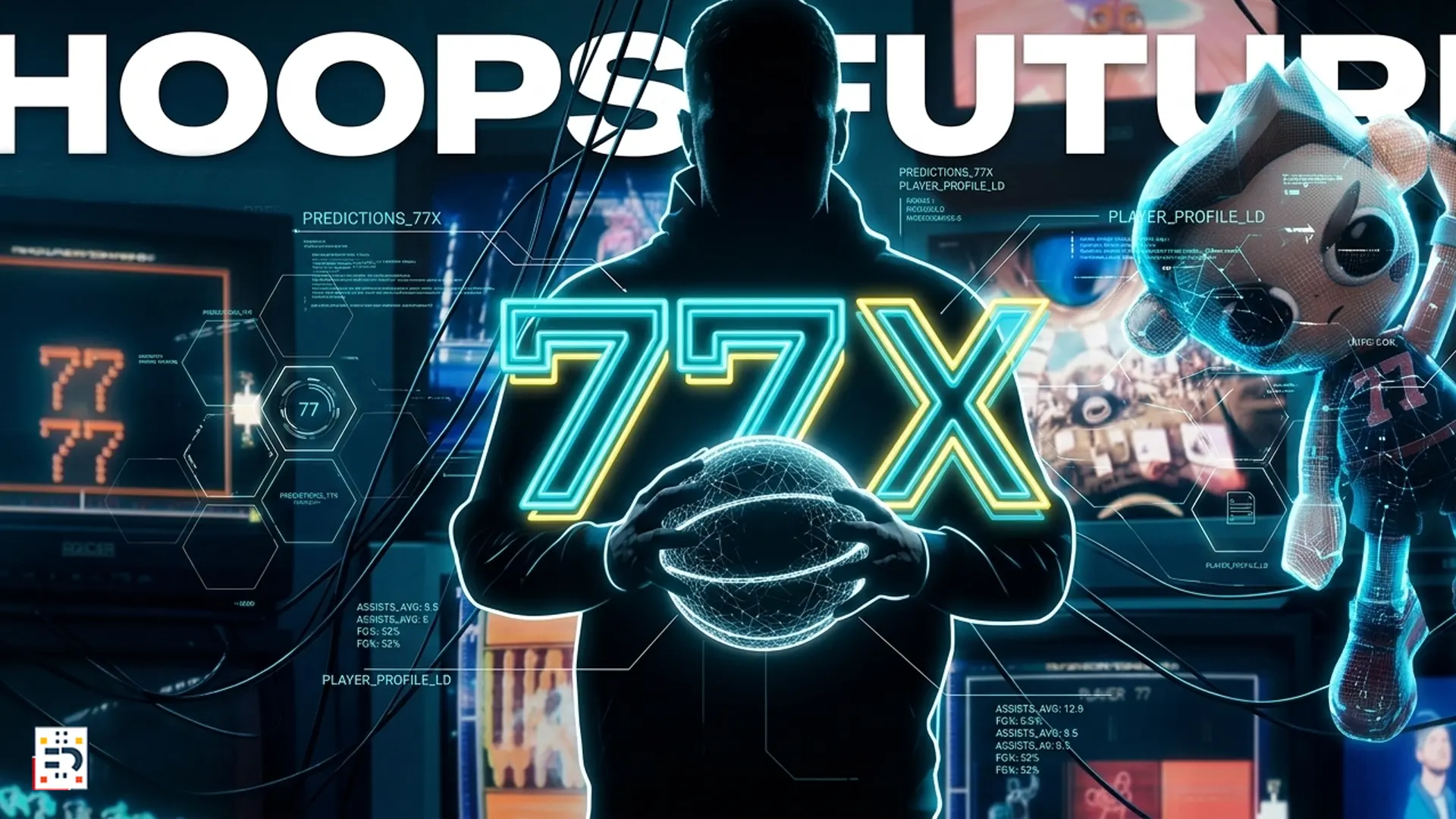
For years, athletes have relied on traditional social media platforms to connect with fans. But a new era is emerging — and Luka Dončić 77X may be its boldest statement yet.
Luka Dončić, the global superstar of the National Basketball Association (NBA), is stepping beyond highlight reels and endorsements. With 77X, he signals a shift toward athlete-owned platforms — a model that could redefine how sports stars build brands, control narratives, and monetize audiences.
What Is 77X?
While details continue to unfold, 77X represents more than a media brand. It reflects a structural pivot:
- Direct-to-fan content distribution
- Ownership over personal media archives
- Monetization beyond sponsorship deals
- Community-driven digital ecosystems
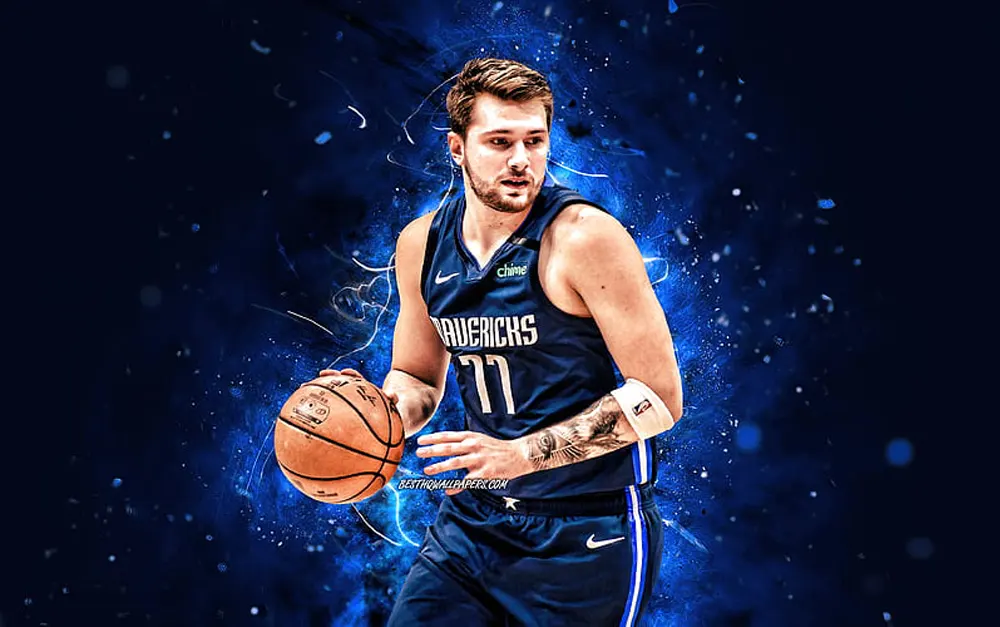
The name itself — referencing Dončić’s iconic jersey number — transforms personal branding into a scalable platform identity.
Why Athlete-Owned Platforms Are Exploding
The traditional social media model presents limitations:
- Algorithm dependency
- Platform monetization cuts
- Content control restrictions
- Brand safety concerns
In contrast, athlete-owned platforms allow stars to:
- Control distribution
- Own audience data
- Launch exclusive memberships or NFTs
- Integrate commerce and storytelling
This mirrors a broader creator economy shift, where influencers and public figures seek autonomy from tech giants.
The Business Model Behind 77X
For elite athletes, the upside is enormous:
- Subscription Revenue: Premium behind-the-scenes content
- Digital Merchandise: Limited-edition drops
- Global Sponsorship Integration: Brand partnerships embedded within owned channels
- Media Rights Expansion: Documentary and streaming extensions
With global fan bases spanning Europe, the U.S., and Asia, athletes like Dončić are uniquely positioned to scale media properties beyond national markets.
From Social Media Stars to Media Moguls
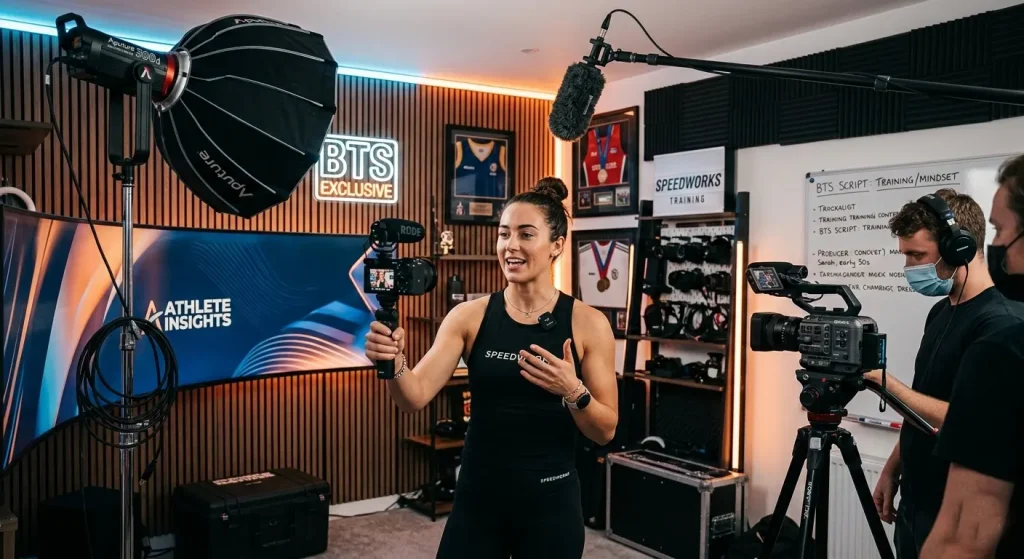
Dončić is not alone. Across the league, players are launching production companies, podcasts, and subscription-based communities. But 77X stands out because it appears built as a centralized, scalable digital ecosystem rather than a side project.
It signals a broader evolution: athletes are no longer just content creators — they are platform architects.
Why This Matters for the Future of Social Media
If athlete-owned platforms gain traction, they could disrupt traditional social networks in several ways:
- Shifting advertising dollars toward niche, high-loyalty communities
- Reducing reliance on third-party algorithms
- Empowering creators to negotiate directly with sponsors
For fans, this means deeper access & for brands, it means more targeted engagement & for platforms, it means increased competition.
The 77X Era Is Just Beginning
Luka Dončić’s 77X signals something bigger than a media launch. It represents a generational pivot in how athletes view digital ownership.
As younger stars grow up understanding both brand equity and data leverage, athlete-owned platforms may become the norm — not the exception.
The question isn’t whether social media is evolving. It’s whether traditional platforms are ready for competition from the very creators who made them powerful.
#LukaDoncic #77X #AthleteOwned #CreatorEconomy #SportsBusiness #NBANews