

 By Vinod Ram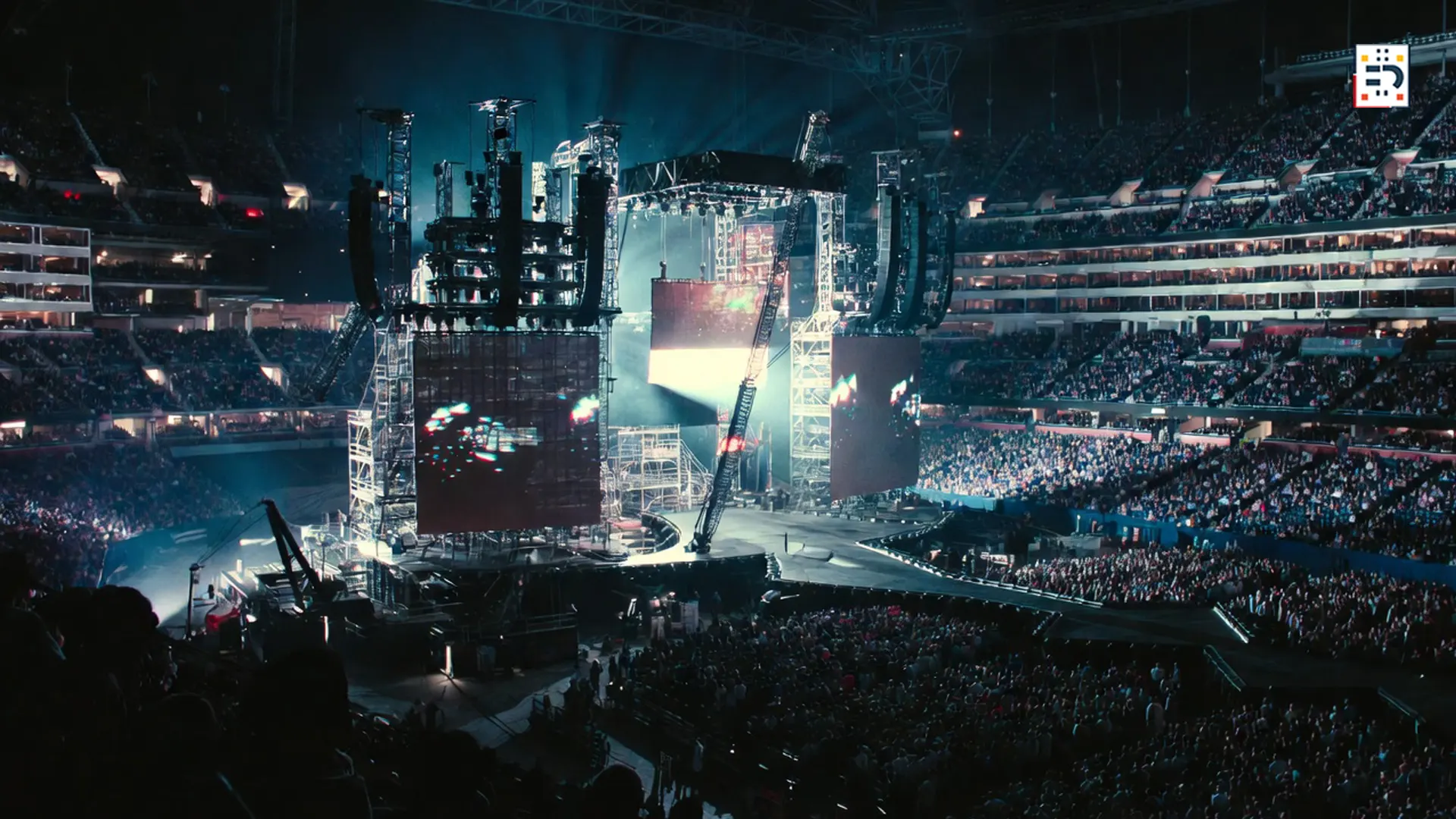
The 2026 Super Bowl Halftime Show wasn’t just a 12-minute performance — it was the result of nearly a year of planning, thousands of crew hours, and one of the most complex live productions in entertainment.
Organized in partnership with the NFL, the halftime show has evolved into a global cultural event watched by more than 100 million viewers annually. But what does it actually take to build the biggest stage in sports?
Designing a Stage for 100+ Million Viewers
The halftime stage must be assembled and dismantled in under eight minutes. According to industry standards referenced by Billboard, halftime productions rival major world tours in complexity — except everything happens in record time.
Engineers collaborated with live-event specialists similar to those who produce the Academy Awards and large-scale tours promoted by Live Nation Entertainment. The result? A modular, rolling stage system powered by high-capacity LED panels and reinforced flooring capable of supporting hundreds of performers.
Did You Know? 💡
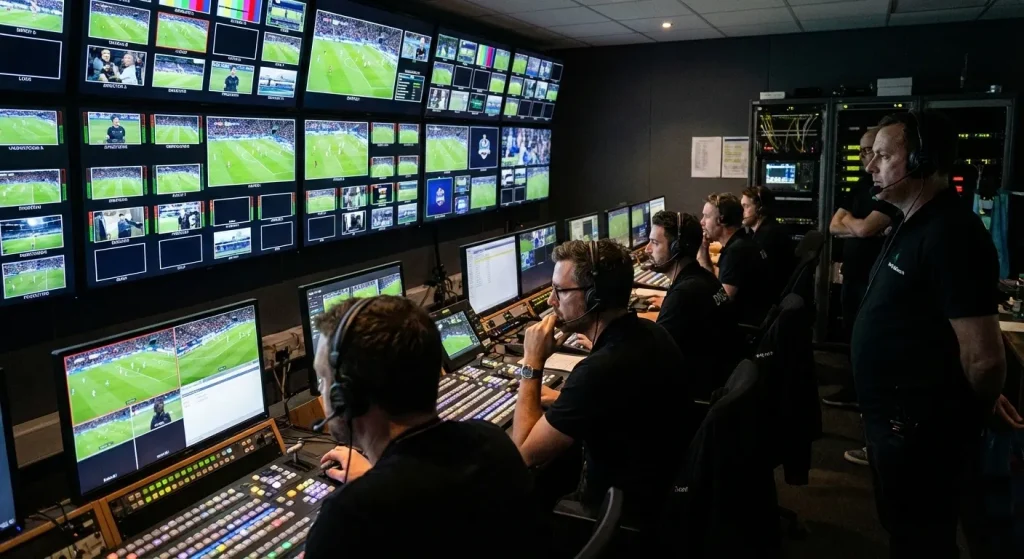
Did you know? One of the 2026 halftime show’s most talked-about stunts involved a mid-air cable camera drop synchronized with pyrotechnics — timed within milliseconds to avoid signal delay across international broadcasts.
The technology relied on broadcast systems similar to those used in major global events covered by ESPN and high-speed camera rigs comparable to innovations developed by Sony.
Rehearsals: Months in the Making
Unlike regular concerts, performers rehearse in secret warehouses replicating stadium dimensions. Security protocols rival those described by Forbes in its coverage of major entertainment events.
Each segment is timed down to the second:
- Stage roll-in: 6–8 minutes
- Performance window: ~12–14 minutes
- Stage breakdown: Under 8 minutes
More than 600 crew members typically participate in the transition — making it one of the fastest set builds in live entertainment history.
The Budget Behind the Spectacle
While the Super Bowl generates billions in advertising revenue, halftime production costs can reach tens of millions of dollars. Brands see it as a cultural marketing moment, not just a performance.
The halftime show often boosts streaming numbers dramatically — a phenomenon documented by music industry analysts and platforms like Spotify.
Celebrity Cameos & Surprise Moments
One of the biggest engagement drivers? Surprise appearances. Social media speculation ahead of the 2026 event fueled trending discussions across platforms including X (formerly Twitter).
These cameo appearances aren’t last-minute decisions — they are contractually structured months in advance, complete with choreography, lighting cues, and broadcast integration planning.
Technology That Powers the Show
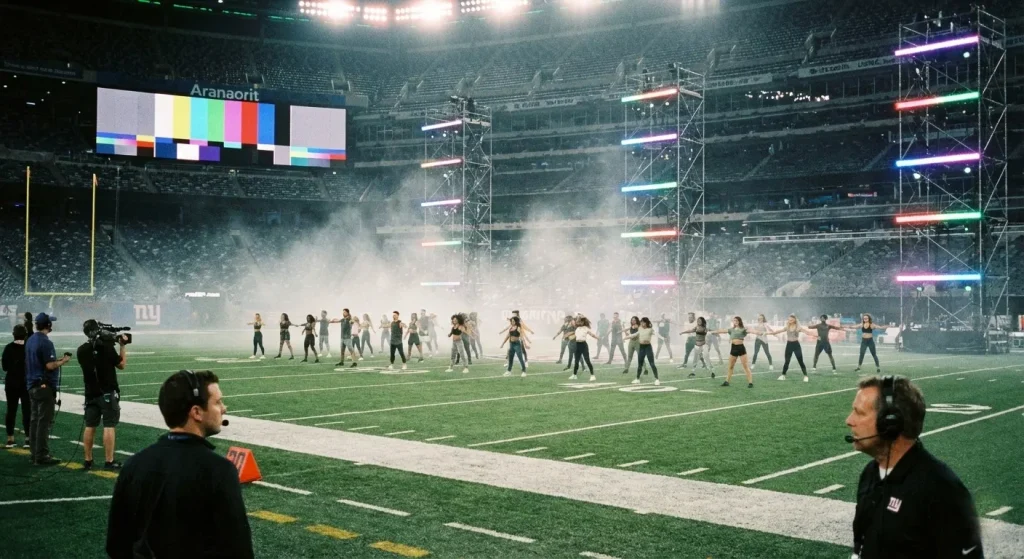
From augmented reality overlays to synchronized drone lighting displays, halftime production now mirrors innovations seen at global tech showcases like CES.
Ultra-high-definition broadcast workflows ensure seamless international transmission, turning the halftime show into a worldwide entertainment export.
Why the Halftime Show Matters More Than Ever
The Super Bowl halftime show has become a defining entertainment platform — shaping music careers, driving digital engagement, and creating viral cultural moments that last far beyond game day.
#SuperBowl2026 #HalftimeShow #NFL #LiveProduction #SportsEntertainment #EventProduction #StadiumTech