

 By Vinod Ram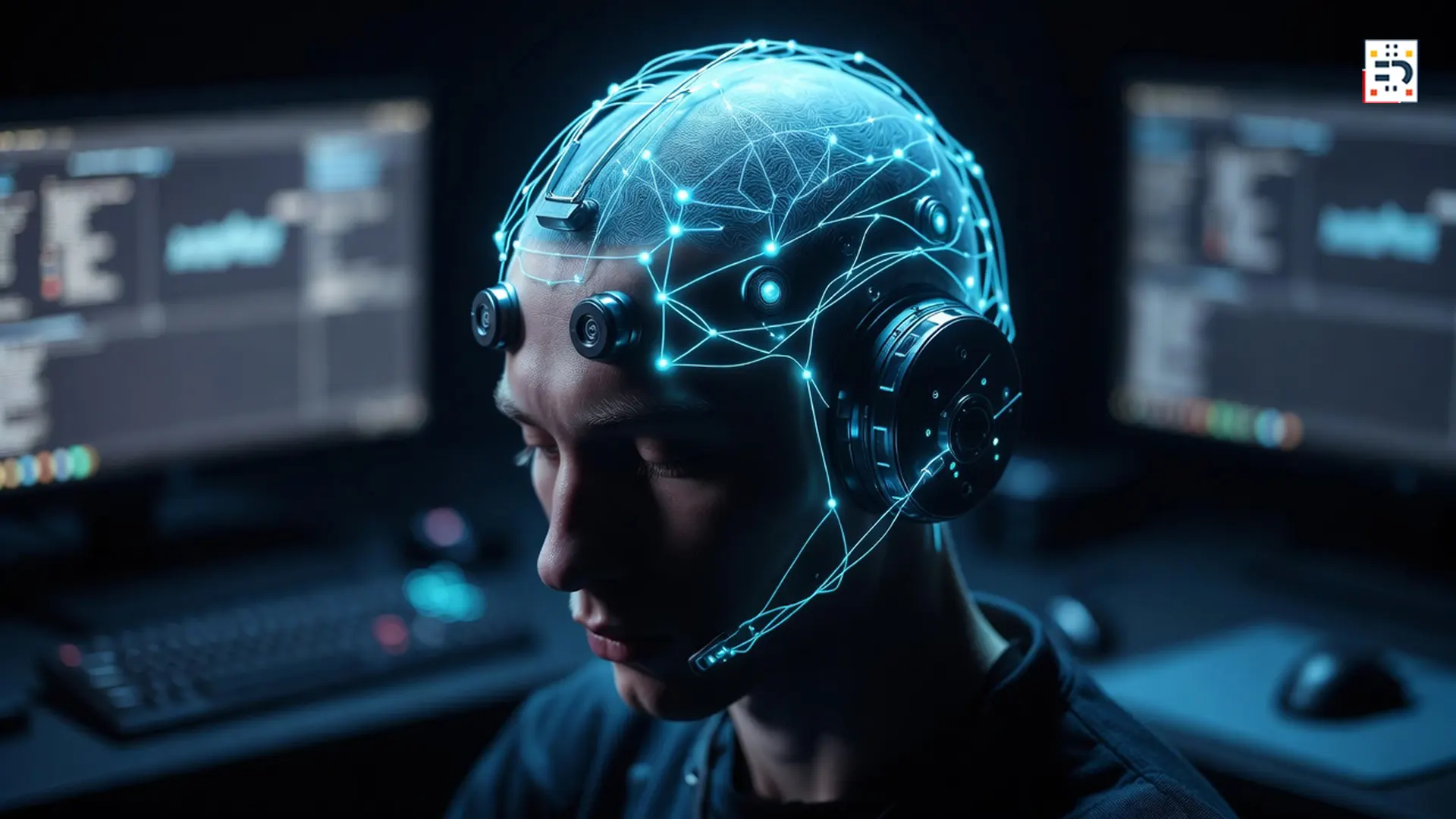
Competitive gaming is entering a new era. With the launch of HyperX’s BrainBlink technology, the conversation is shifting away from raw mechanics and toward something harder to train: mental focus. The brain-sensing headset has sparked intense debate about whether neuro-gaming can genuinely improve player performance—or if it’s just another tech gimmick.
What Is BrainBlink Technology?
BrainBlink is HyperX’s new neuro-feedback system built into a prototype gaming headset. Using non-invasive sensors, it measures electrical brain activity associated with focus, stress, and cognitive load.
According to HyperX, the headset translates these signals into real-time data that can adjust in-game settings or provide performance feedback.
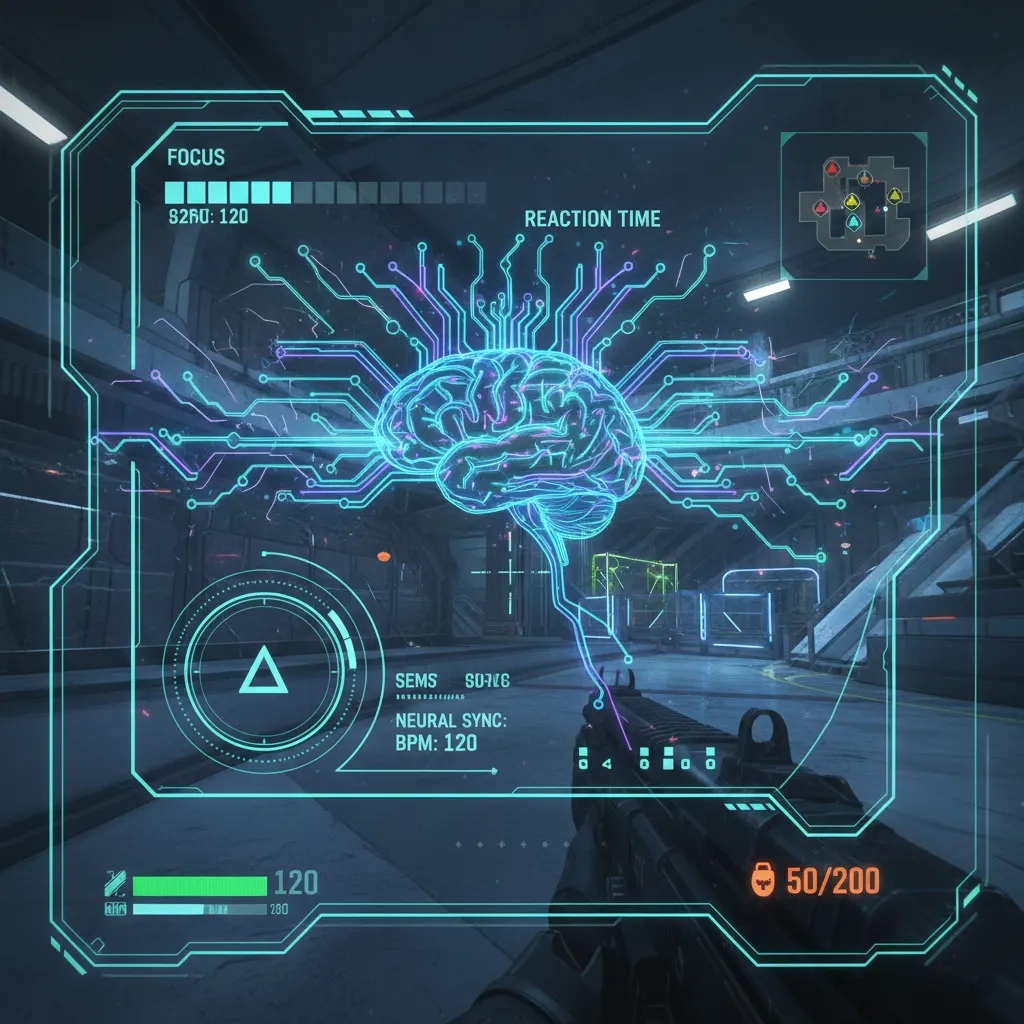
How Neuro-Gaming Actually Works
Brain-sensing headsets rely on EEG-style technology, similar to devices used in research and meditation tools. They do not read thoughts, but they can detect patterns linked to concentration levels.
Neuroscience explainers from Scientific American and Nature describe how focus correlates with specific brainwave activity.
Why Competitive Gamers Are Paying Attention
At the highest levels of esports, reaction time gaps are tiny. Mental consistency often separates champions from the rest.
Pro players and coaches interviewed by Dexerto say tools that help manage tilt, fatigue, or focus loss could provide a meaningful edge.
Can It Really Make You Play Better?
Supporters argue that real-time feedback trains players to recognize when focus drops. Over time, this awareness could improve consistency under pressure.
However, researchers cited by The Verge warn that performance gains depend heavily on how the data is used. Without proper training frameworks, the headset alone may do little.
Privacy and Ethical Concerns
Any device that collects neural data raises questions. HyperX states that BrainBlink data is processed locally and not stored without user consent.
Privacy advocates referenced by the Electronic Frontier Foundation stress the need for clear boundaries around biometric data in gaming.

Is Neuro-Gaming the Future of Esports?
Brain-based training is already common in elite sports and military programs. Gaming may simply be the next frontier.
Industry analysts writing for Bloomberg suggest neuro-gaming could become as normal as performance analytics—if players trust the tech.
What Comes Next
HyperX has not announced a consumer release date. Early demos suggest BrainBlink is still experimental.
Still, the technology has changed the conversation. In competitive gaming, focus may soon matter as much as skill.
#NeuroGaming #BrainBlink #HyperX #EsportsTech #GamingInnovation #FutureOfGaming