

 By Vinod Ram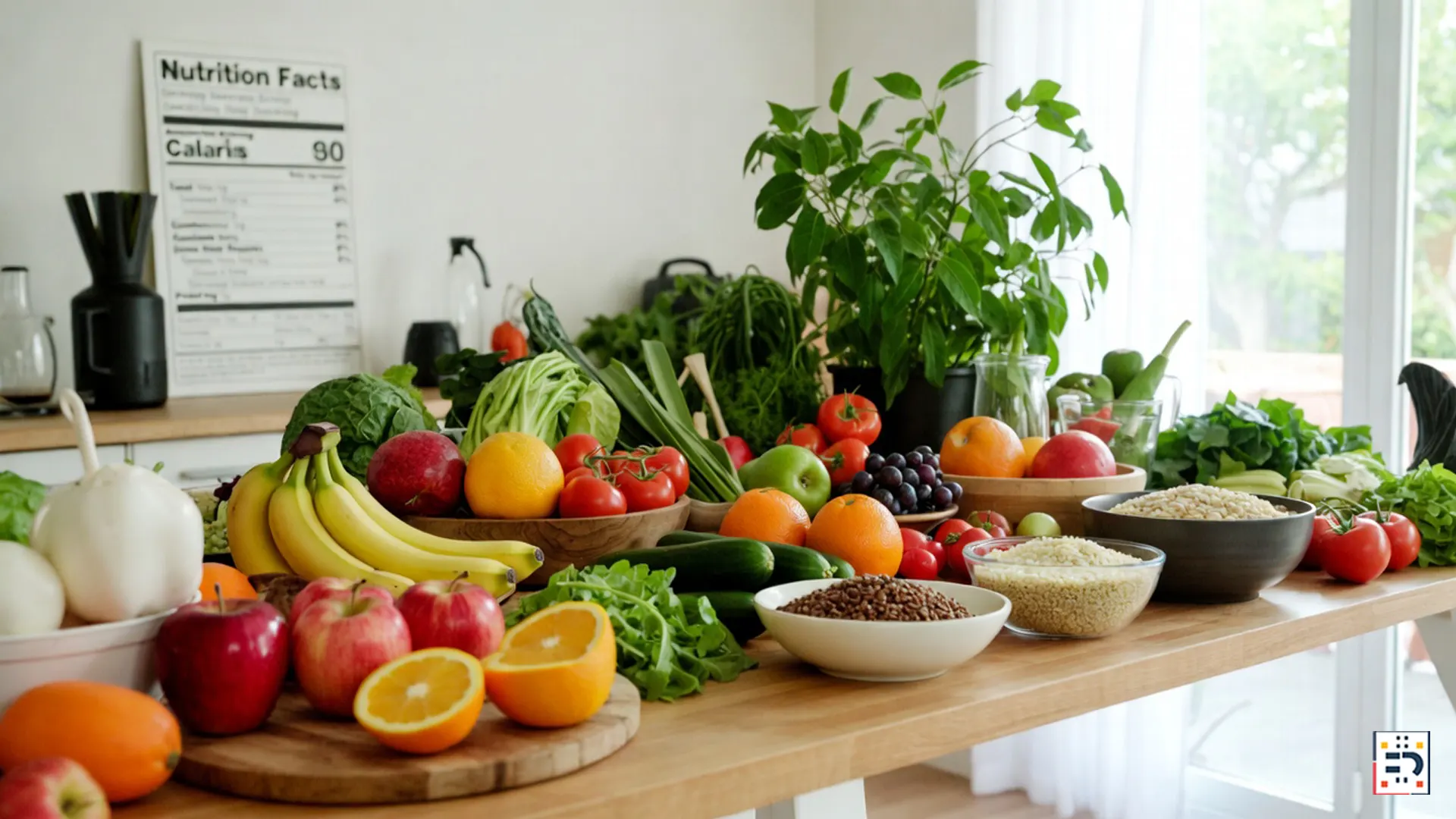
Washington, D.C. — The way Americans eat may be on the brink of its biggest shift in decades. The U.S. Department of Agriculture (USDA) has released updated dietary guidance that puts a renewed emphasis on “eating real food”—and raises serious questions about ultra-processed foods, especially those served in school lunches.
For parents, shoppers, and health-conscious Americans, this isn’t just policy talk. It could soon change what’s on grocery shelves, school menus, and dinner tables nationwide.
What Are the New USDA “Real Food” Guidelines?
The new guidance from the U.S. Department of Agriculture encourages Americans to prioritize minimally processed foods such as fruits, vegetables, whole grains, legumes, eggs, and lean proteins.
For the first time, the USDA directly acknowledges concerns long raised by researchers at institutions like the Harvard T.H. Chan School of Public Health about the health risks of diets dominated by ultra-processed products.
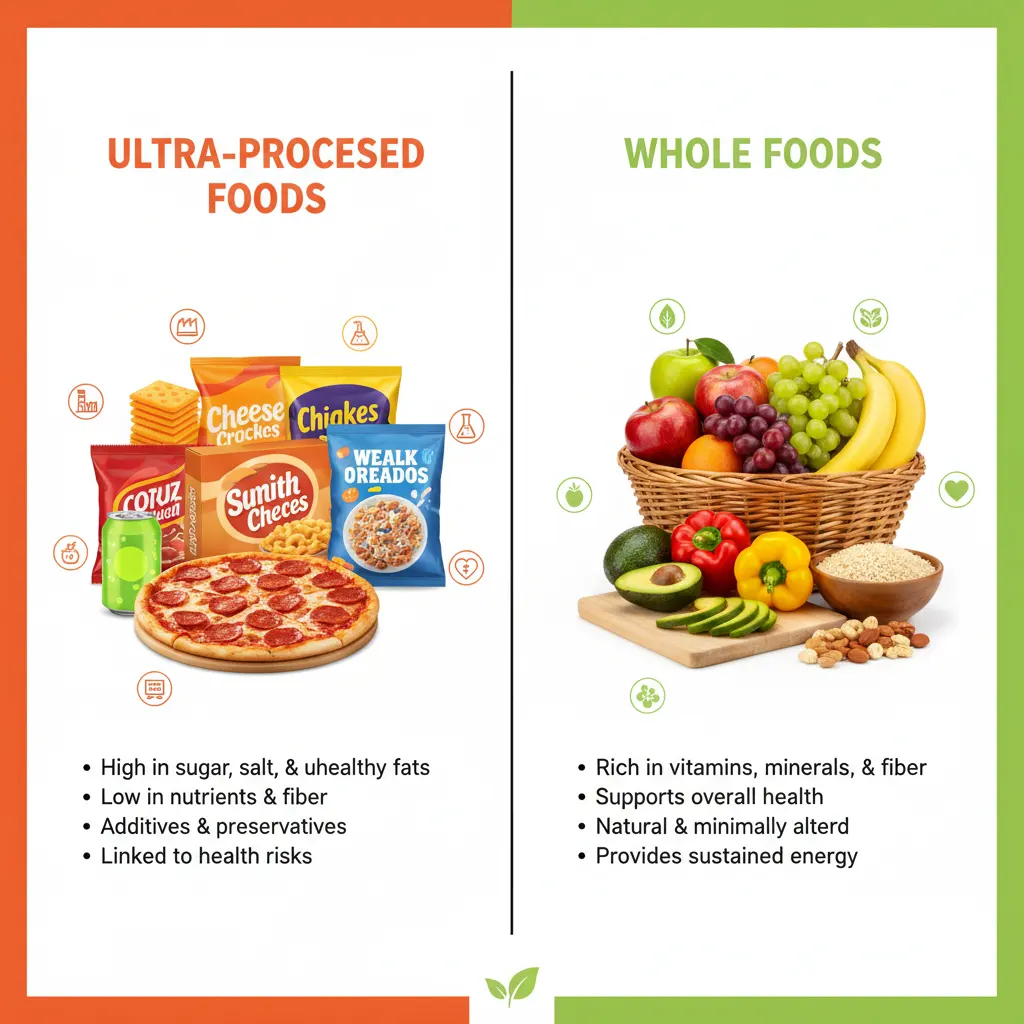
Why Ultra-Processed Foods Are Under Fire
Ultra-processed foods—think chicken nuggets, sugary cereals, packaged snacks, and sweetened drinks—are designed for convenience, shelf life, and taste. But studies cited by the Centers for Disease Control and Prevention (CDC) link high consumption to obesity, diabetes, and heart disease.
According to data referenced by the National Institutes of Health, ultra-processed foods make up nearly 60% of the average American child’s calorie intake.
Goodbye, Nuggets? What This Means for School Lunches
Perhaps the most controversial aspect of the guidelines is their impact on the National School Lunch Program, which feeds nearly 30 million children daily.
The USDA is now encouraging schools to:
- Reduce reliance on frozen, pre-packaged meals
- Increase fresh produce and scratch cooking
- Limit added sugars, sodium, and refined grains
Food industry groups, represented by organizations like the Consumer Brands Association, warn that costs and logistics could pose challenges—setting up a looming political and economic debate.
How Your Grocery List May Change
For families, the shift toward real food may subtly—but significantly—reshape shopping habits.
Expect to see:
- Clearer front-of-package labeling
- Greater emphasis on whole ingredients
- More demand for fresh and frozen (not processed) foods
Retailers like Whole Foods Market and even mainstream chains are already expanding “clean label” options to meet growing demand.

The Bigger Debate: Health vs. Food Industry Influence
Supporters argue the USDA’s move is long overdue, pointing to rising healthcare costs and childhood obesity rates. Critics, however, question whether lobbying pressure will dilute enforcement.
Public health advocates cite countries that already follow similar models, such as guidance from the World Health Organization, which discourages heavily processed foods across all age groups.
What Happens Next?
While the guidelines are not law, they heavily influence federal programs, school meals, and food marketing. Over time, these recommendations could reshape America’s food system—one lunch tray at a time.
For parents and shoppers, the message is clear: real food is no longer a trend—it’s federal guidance.
#RealFoodRevolution #USDAGuidelines #HealthyEating #SchoolLunchReform #UltraProcessedFoods #PublicHealth