

 By Vinod Ram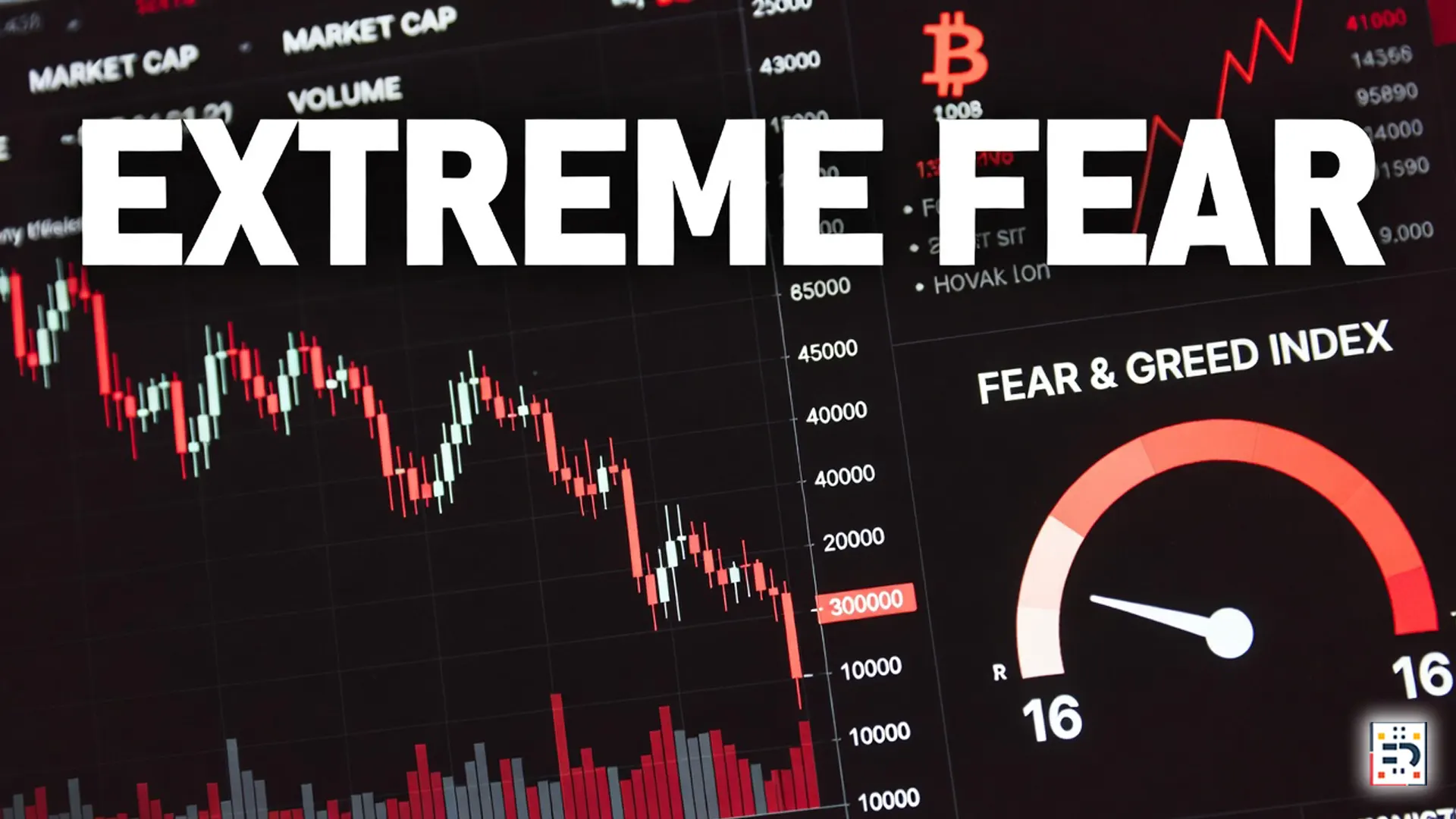
Bitcoin (BTC) stunned the crypto market after a sudden flash crash to the $81,000 level, wiping out billions in leveraged positions within minutes. The sharp move reignited debate across trading desks and social media: is this capitulation the final bottom before a potential February rally?
What Triggered Bitcoin’s $81K Flash Crash?
The crash unfolded during a period of elevated volatility, when aggressive selling pressure collided with overleveraged futures markets. According to data cited by CryptoNewsZ, more than $1.7 billion in crypto liquidations were recorded in under 24 hours, with Bitcoin futures accounting for the majority.
Forced liquidations on major derivatives platforms such as Binance Futures and Bybit accelerated the sell-off, pushing prices rapidly through key technical support levels.
The Role of Leverage and Market Structure
Crypto analysts note that Bitcoin’s market structure has become increasingly sensitive to leverage. High open interest in perpetual futures meant even a modest sell-off could cascade into a deeper decline. As explained in recent analysis by CCN, liquidation-driven crashes often exaggerate downside moves beyond what spot market demand would justify.
Once leverage is flushed out, however, markets frequently stabilize — a pattern seen repeatedly during previous Bitcoin corrections.
Macro Pressure Adds Fuel to the Sell-Off
The Bitcoin flash crash did not occur in isolation. Broader global market volatility, shifting interest-rate expectations, and renewed risk aversion across equities contributed to the downturn. At the same time, data from CoinShares showed short-term outflows from digital asset investment products, signaling caution among institutional investors.
These macro headwinds created a fragile environment where Bitcoin was particularly vulnerable to sharp downside moves.
Is $81K a Local Bottom for Bitcoin?
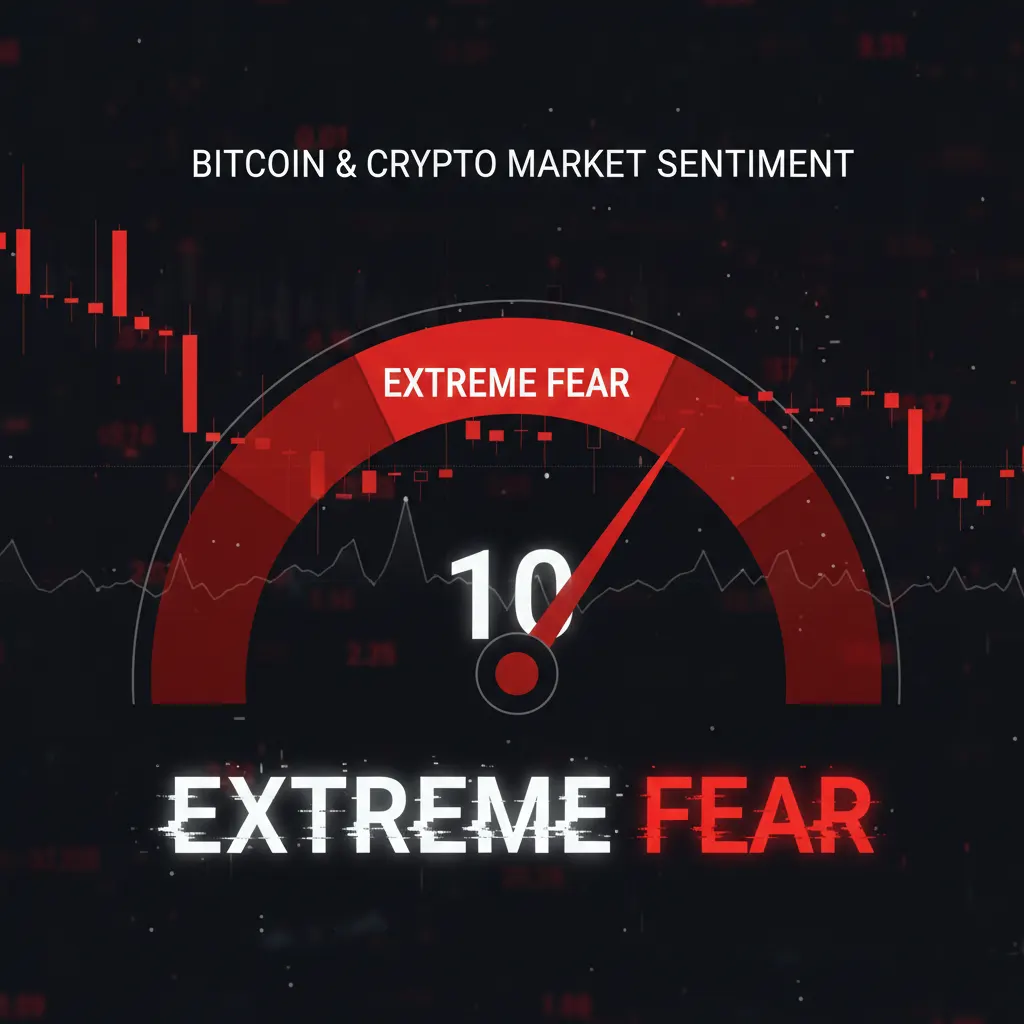
The key question now dominating crypto discourse is whether the $81K level represents a meaningful bottom. Historically, Bitcoin bottoms tend to form during moments of maximum fear, heavy liquidation, and negative sentiment — conditions that were clearly present during this crash.
On-chain metrics tracked by platforms like Glassnode suggest that short-term holders experienced elevated realized losses, a common feature of local market bottoms. Meanwhile, long-term holders showed limited selling activity, indicating structural confidence remains intact.

What Could Spark a February Bitcoin Rally?
If Bitcoin is indeed carving out a bottom, several catalysts could fuel a February recovery:
- ETF inflows: Renewed demand for spot Bitcoin ETFs, tracked by Farside Investors, could provide price support.
- Improving risk sentiment: A rebound in U.S. equities and easing bond yields could revive appetite for risk assets, including crypto.
- Technical rebound: A sustained hold above key moving averages may trigger algorithmic and momentum-based buying.
Analysts interviewed by CoinDesk Markets emphasize that post-liquidation environments often favor short-term relief rallies, particularly when selling pressure becomes exhausted.
Capitulation or Just Another Dip?
Bitcoin’s plunge to $81,000 underscores the inherent volatility of leveraged crypto markets. While the flash crash flushed out excess risk, whether it marks the definitive bottom depends on upcoming macro data, ETF flows, and broader investor sentiment.
For now, traders remain cautiously optimistic — watching closely to see whether fear gives way to accumulation as February approaches.
#Bitcoin #BitcoinCrash #BTCPrice #CryptoMarket #FlashCrash #BitcoinRally #CryptoNews #BTCAnalysis #digitalnewsforall