

 By Vinod Ram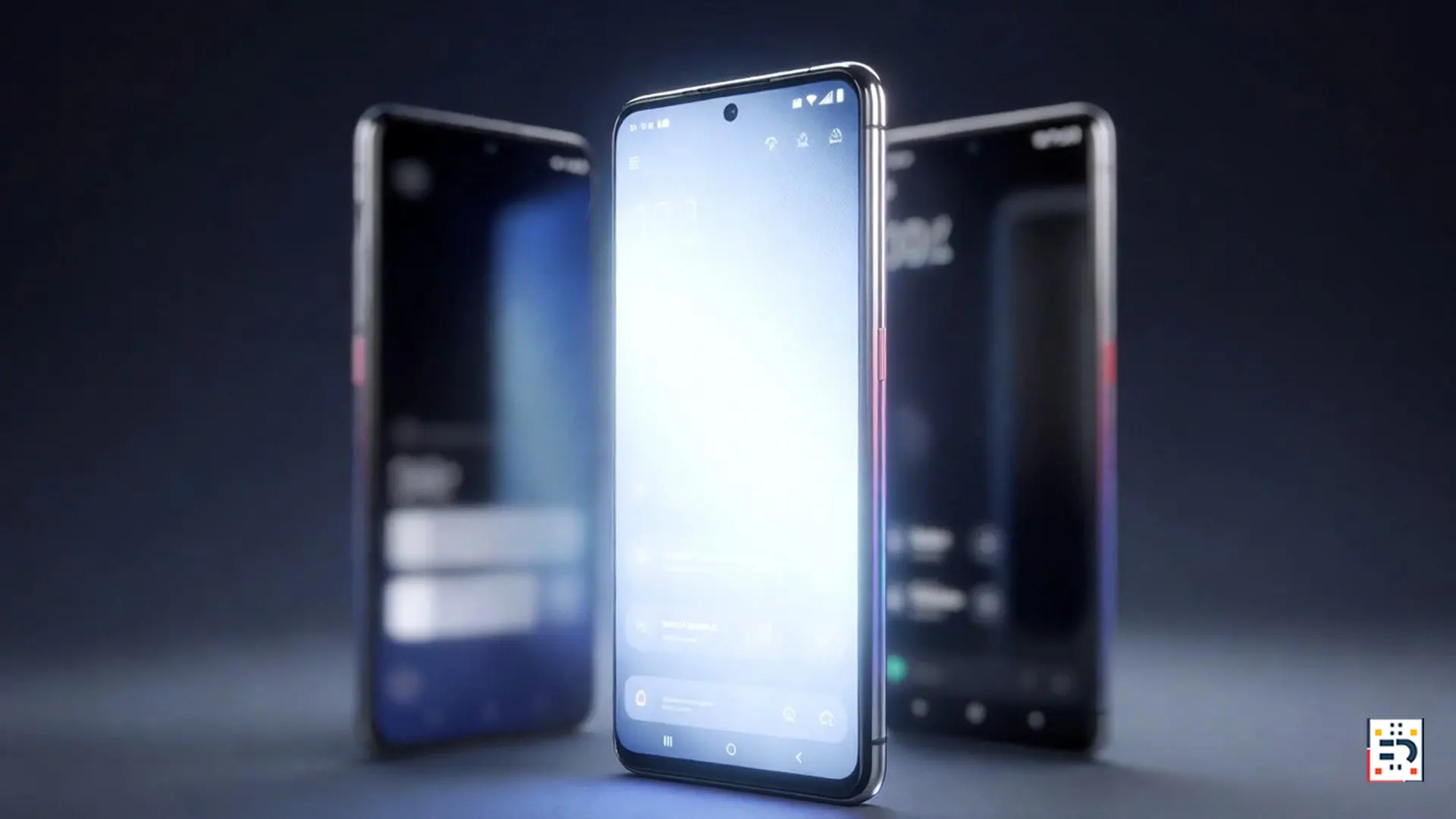
Following Samsung’s January 29 earnings call, new leaks surrounding the Samsung Galaxy S26 suggest a major shift in smartphone display technology. At the center of the buzz is a so-called “bio-resin privacy screen” — a display innovation designed to block side-viewing without relying on traditional software filters.
If the leaks are accurate, Samsung’s 2026 flagship could redefine how users think about mobile privacy, especially when compared to Google’s upcoming Pixel 10a , which is expected to double down on efficiency and battery optimization rather than radical hardware changes.
What Is the “Bio-Resin” Privacy Display?
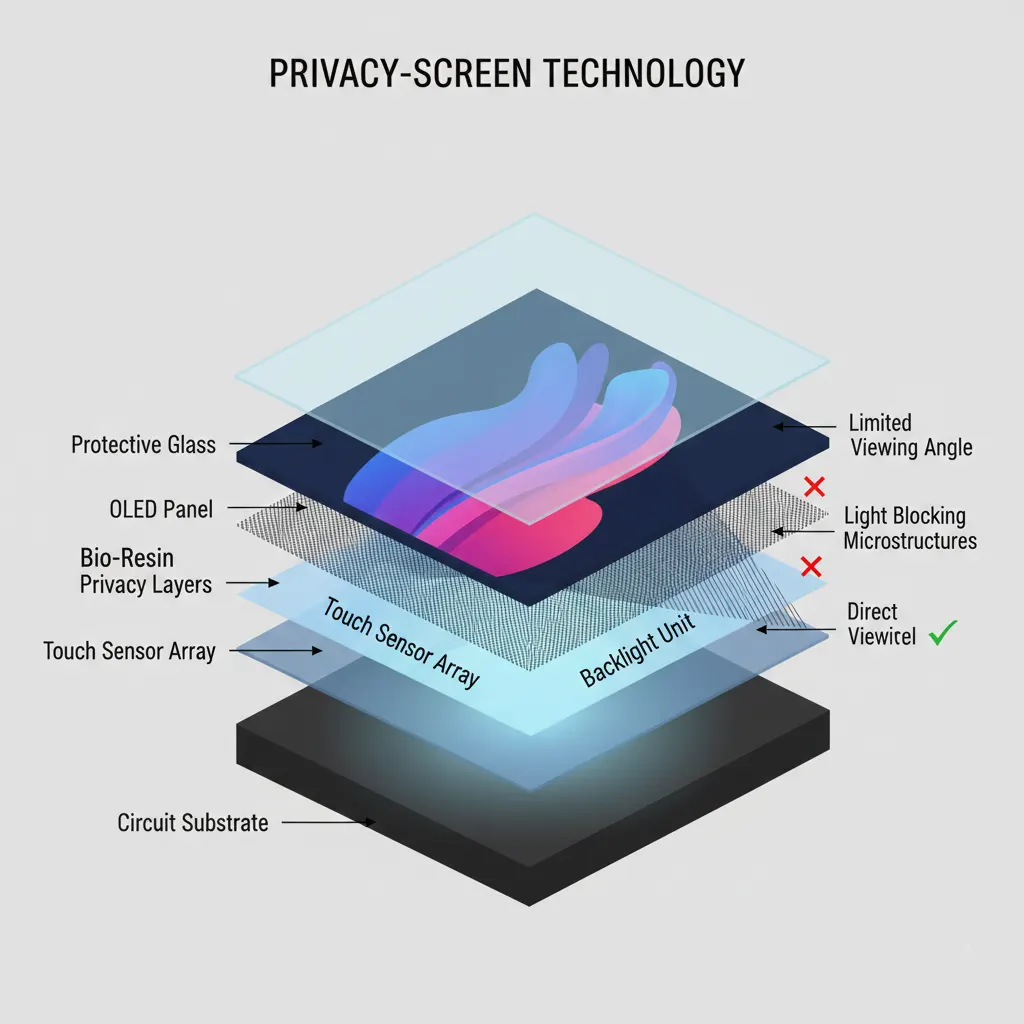
According to supply-chain leaks shared after the earnings call, Samsung is experimenting with a new display layer made from bio-resin compounds. Unlike current privacy modes that dim or narrow viewing angles via software, this approach reportedly embeds privacy directly into the panel structure.
The result? On-axis clarity for the user, while off-angle viewing becomes significantly obscured — a feature particularly appealing for commuters, travelers, and enterprise users.
Display analysts have noted in past coverage by Display Daily that hardware-level privacy solutions are more power-efficient than software-based ones, potentially offering both security and battery-life gains.
Why Samsung Is Betting Big on Privacy
Smartphone privacy has become a competitive differentiator. From app permissions to on-device AI processing, manufacturers are increasingly marketing security as a premium feature.
Samsung executives hinted during the earnings discussion that future Galaxy devices would emphasize “material-level innovation” — language that aligns closely with the rumored bio-resin display strategy.
Galaxy S26 vs Pixel 10a: Privacy Showdown
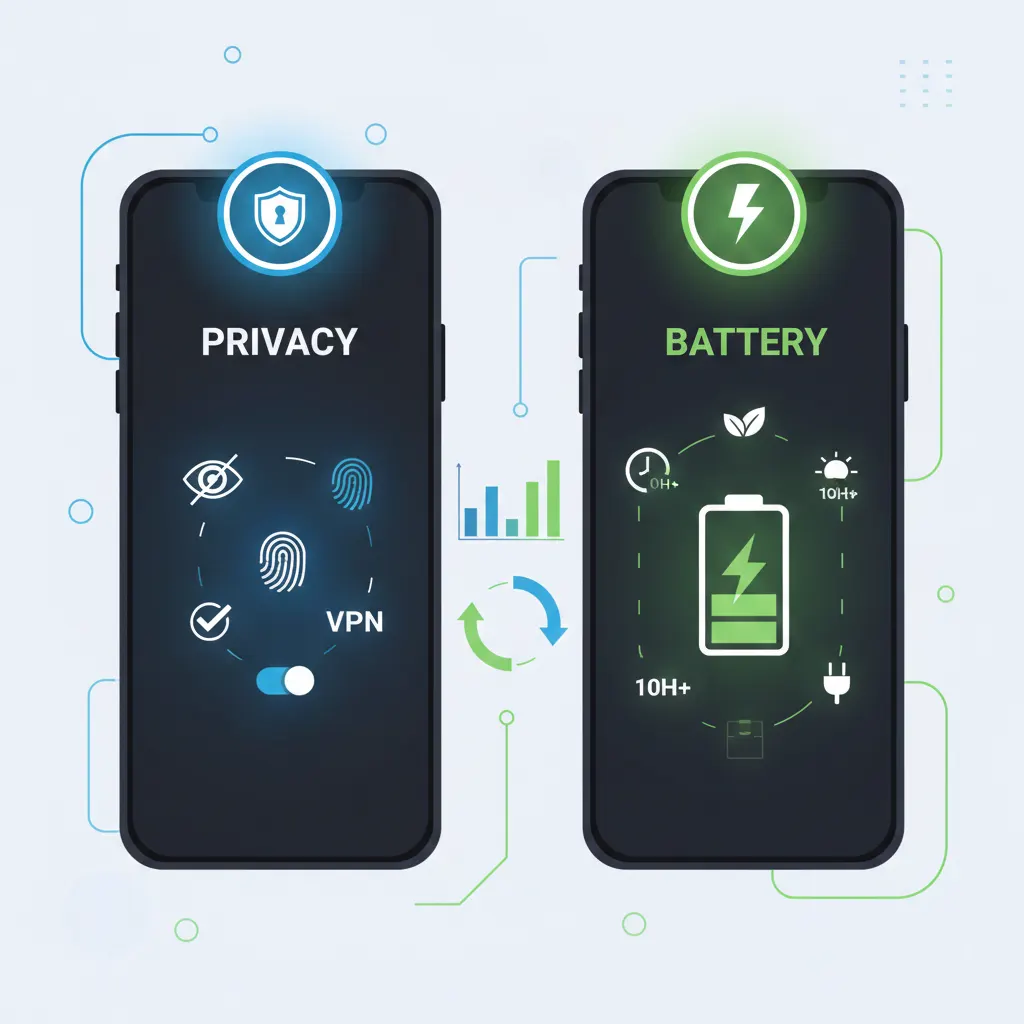
When it comes to privacy, the Galaxy S26 and Pixel 10a appear to be taking very different paths.
- Galaxy S26: Hardware-based side-view blocking, minimal performance impact
- Pixel 10a: Software-driven privacy features tied to Android and Tensor AI
- Use case: Samsung targets visual privacy; Google emphasizes data privacy
Google has long positioned its Pixel lineup as a privacy-first device through Android-level protections, detailed by the company on its Google Safety Center . However, these protections focus more on data than physical screen visibility.
Battery Life: An Unexpected Advantage?
One of the most intriguing aspects of the S26 leak is its potential impact on battery life. Traditional privacy screen protectors reduce brightness and increase power consumption. A bio-resin layer, if optimized correctly, could avoid those drawbacks.
Meanwhile, the Pixel 10a is rumored to feature a refined mid-range chipset focused on efficiency rather than raw power. Historically, Pixel “a” models have performed well in real-world battery tests thanks to aggressive background management.
Coverage from AnandTech suggests that display power draw remains one of the biggest variables in smartphone endurance — making Samsung’s display innovation particularly significant.
Which 2026 Flagship Wins?
The answer depends on what users value most:
- Choose the Galaxy S26 if visual privacy and premium hardware innovation matter
- Choose the Pixel 10a if clean software, AI features, and battery efficiency are priorities
For professionals handling sensitive information in public spaces, Samsung’s approach could become a must-have feature. For everyday users, Google’s balance of price, performance, and software support may still win out.
A New Smartphone Arms Race
If the Galaxy S26’s bio-resin privacy display proves successful, it could spark a new arms race in smartphone hardware — one focused not on camera megapixels or refresh rates, but on how personal our devices can truly be.
As 2026 approaches, one thing is clear: privacy is no longer just a software setting — it’s becoming a physical design choice.
#SamsungGalaxyS26 #Pixel10a #SmartphonePrivacy #MobileTech #DisplayTechnology #TechLeaks #AndroidNews #digitalnewsforall