

 By Vinod Ram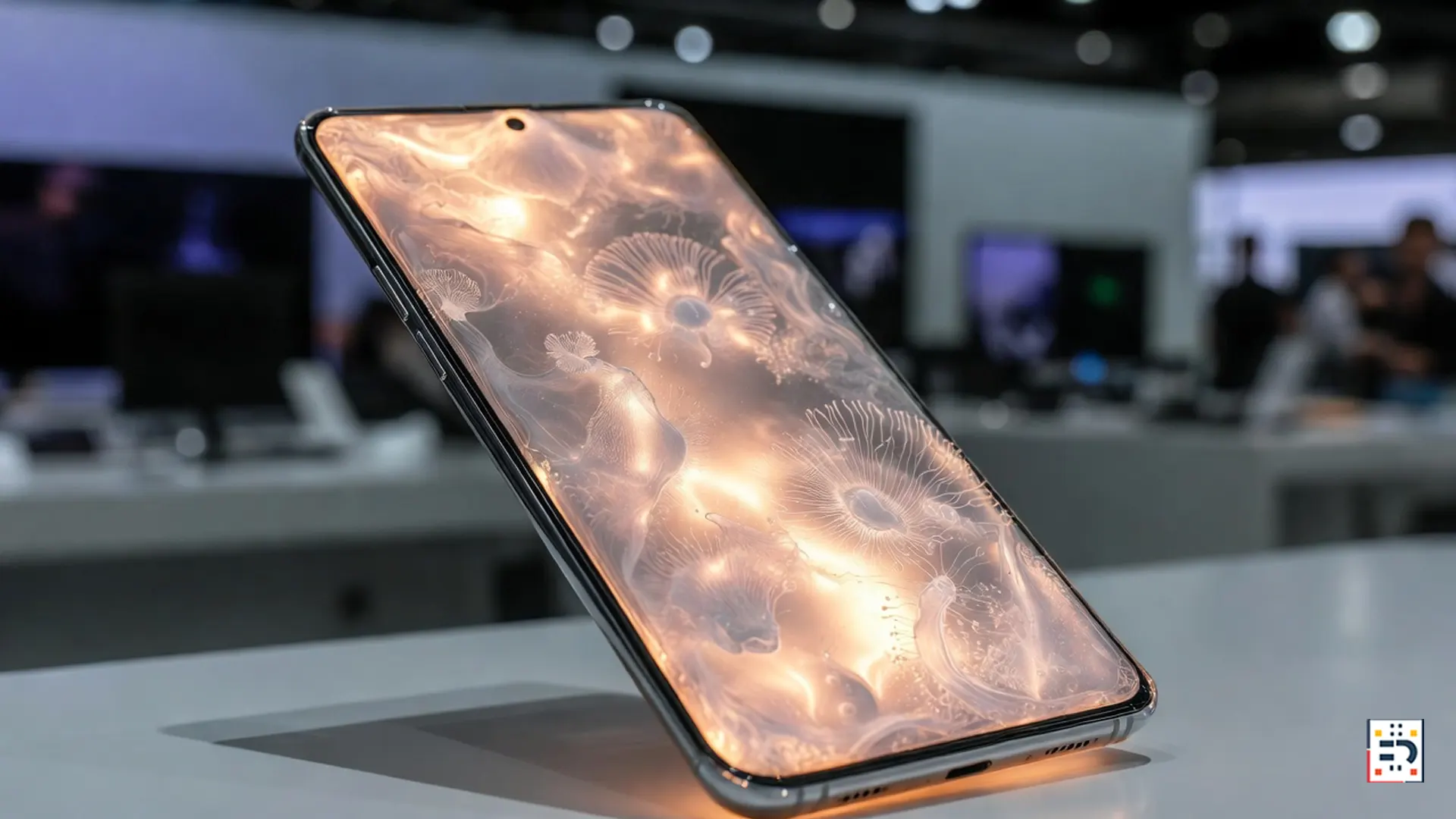
At CES 2026, Samsung quietly stole the spotlight with a bold announcement: a smartphone display made using bio-resin derived from phytoplankton. The reveal instantly ignited conversations about “living tech”—a growing movement that blends biology with consumer electronics.
The question now facing consumers is simple but crucial: are eco-friendly gadgets finally durable enough for everyday use?
What Is a Bio-Resin Smartphone Screen?
Bio-resin materials are polymers created from renewable biological sources rather than petroleum. In Samsung’s case, the company highlighted phytoplankton—a microscopic organism responsible for producing a significant portion of the world’s oxygen—as the base material for its experimental display layer.
Unlike traditional glass-and-plastic composites, this bio-resin screen is designed to be lighter, more flexible, and significantly lower in carbon footprint.
Why CES 2026 Marks a Turning Point
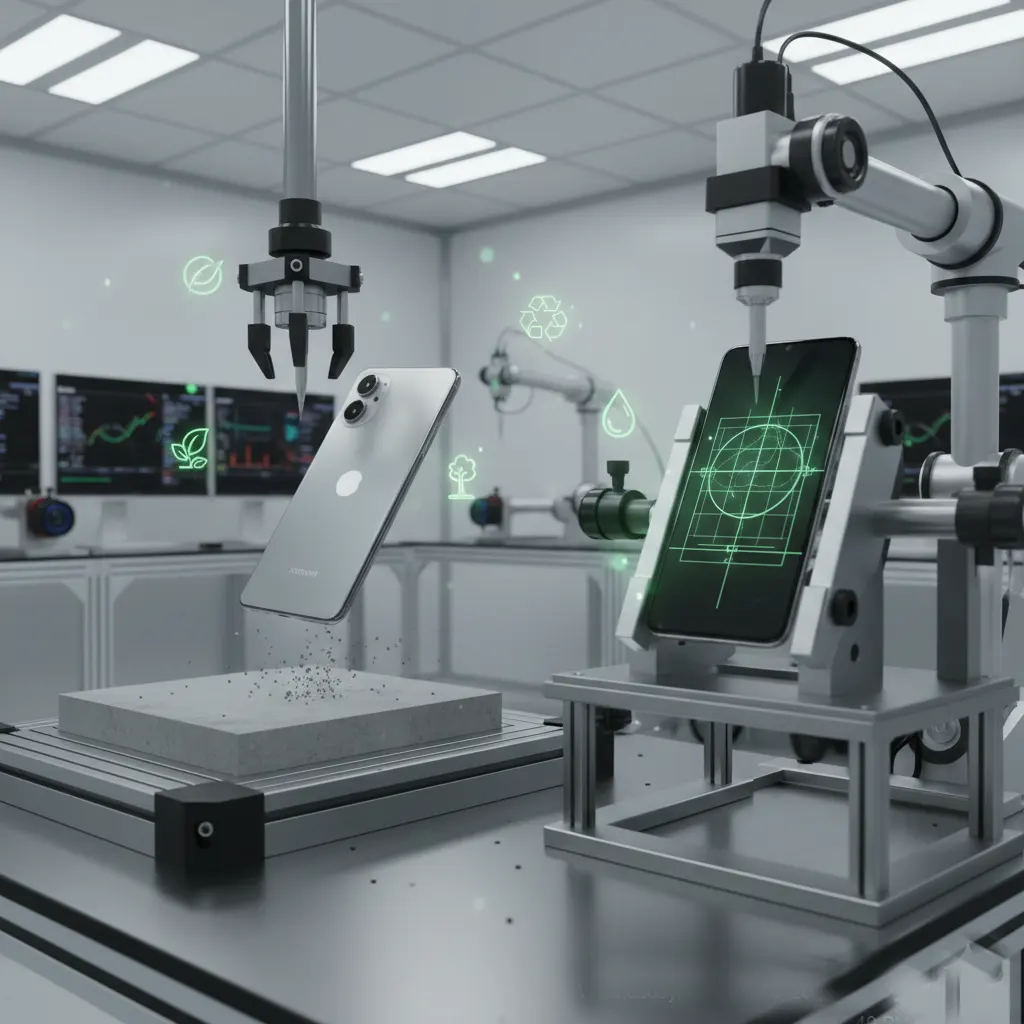
Sustainability has been a recurring theme at recent tech expos, but CES 2026 marked a shift from concept to near-market readiness. Samsung’s prototype wasn’t just a lab demo—it survived drop tests, temperature swings, and extended usage simulations.
This signals that green materials may finally be moving beyond novelty and into mass production.
The Rise of “Living Tech”
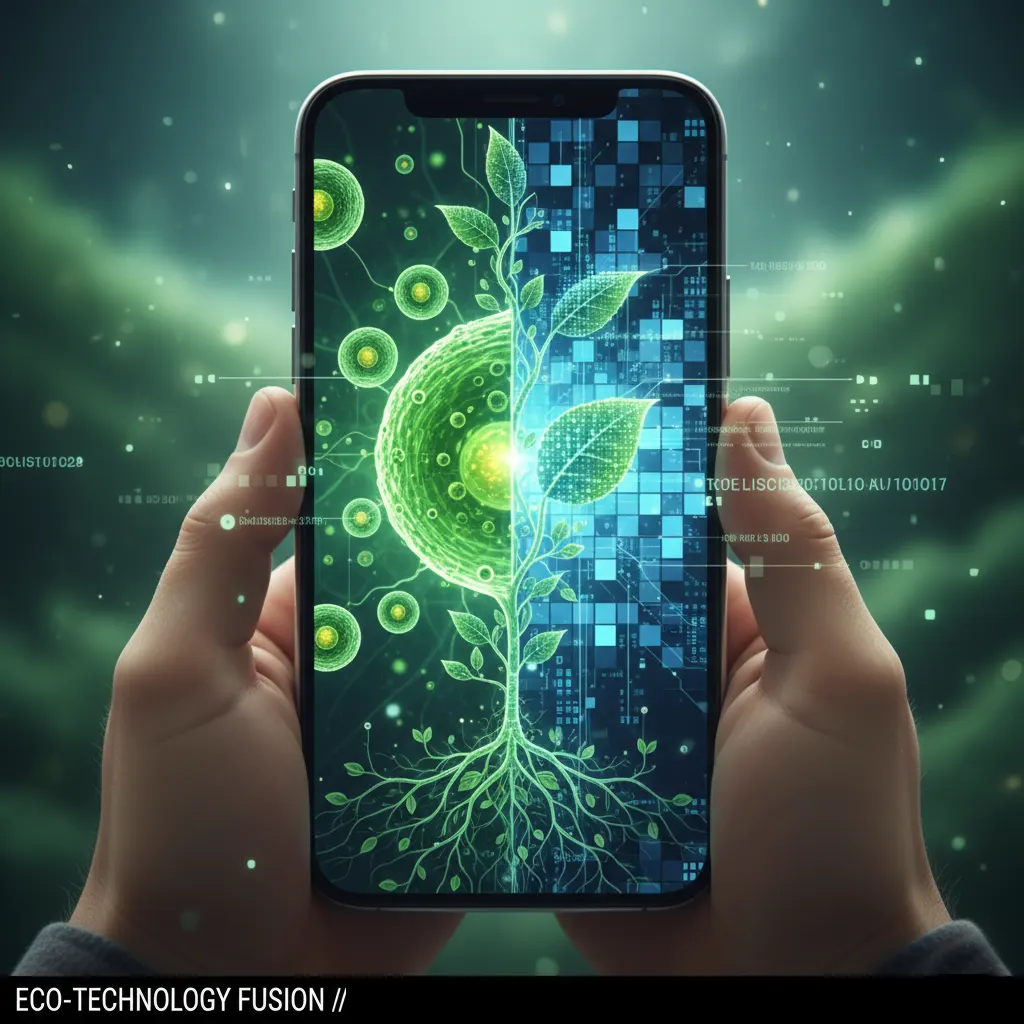
Living tech refers to devices built with materials that are bio-based, biodegradable, or inspired by natural systems. Beyond smartphones, companies are experimenting with:
- Biodegradable circuit boards
- Self-healing polymers
- Plant-based casings for wearables
- Low-energy displays modeled on organic cells
Advocates argue this shift is essential as electronic waste continues to grow worldwide.
Durability: The Biggest Consumer Concern
Eco-friendly gadgets have historically struggled with one major issue: durability. Early biodegradable plastics degraded too quickly or cracked under stress.
Samsung claims its bio-resin screen matches the scratch resistance and impact tolerance of current premium displays. Independent testing will ultimately determine whether that promise holds up in real-world use.
Why This Matters for Consumers
If bio-resin displays prove reliable, consumers could benefit from lighter devices, longer battery efficiency, and reduced environmental impact—without sacrificing performance.
For environmentally conscious buyers, this could finally remove the trade-off between sustainability and quality.
The Industry-Wide Implications
Samsung’s move is likely to pressure competitors to accelerate their own sustainable materials research. As regulations tighten around emissions and waste, “living tech” may soon become a competitive necessity rather than a marketing bonus.
Analysts predict that by the late 2020s, bio-based components could become standard in flagship devices.
The bio-resin smartphone screen unveiled at CES 2026 may represent more than a single innovation—it could mark the beginning of a fundamental shift in how consumer electronics are designed.
If durability lives up to the hype, the era of truly sustainable smartphones may finally be within reach.
#CES2026 #SamsungInnovation #BioResin #LivingTech #SustainableTech #EcoFriendlyGadgets #FutureOfSmartphones #GreenTechnology