

 By Vinod Ram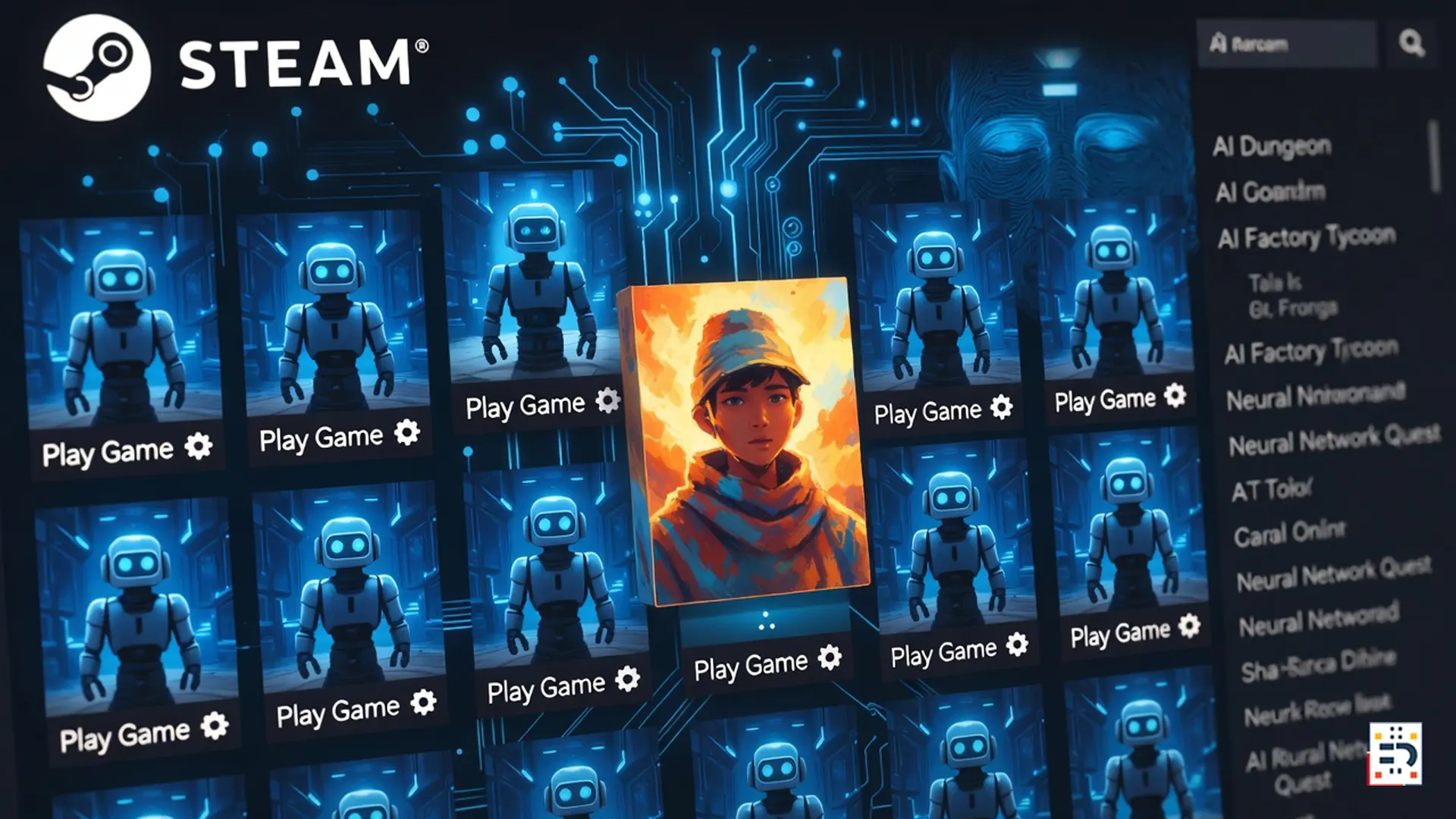
By 2026, an estimated 20% of newly released games on Steam now incorporate some form of generative AI. For players, that has created a new problem: discovery. As procedurally generated assets, AI-written descriptions, and automated releases flood the storefront, finding thoughtfully crafted, human-made games is harder than ever.
Welcome to what players are increasingly calling the “gameslop” era.
What Is “Gameslop”?
“Gameslop” is an informal term used by players to describe low-effort games rapidly produced using generative tools—often with AI-generated art, text, music, and even code. These titles are not inherently broken, but many lack originality, polish, or meaningful design intent.
The concern isn’t AI itself. It’s scale. When hundreds of near-identical games launch weekly, genuinely creative projects risk being buried.
Why Steam Discovery Is Struggling
Steam’s recommendation and tagging systems were built for a slower, more curated release cycle. Generative AI has disrupted that balance.
Key issues include:
- Mass releases of similar-looking titles
- AI-written store descriptions optimized for keywords
- Asset-flipped visuals that blur together
- Short-lived games designed to exploit algorithms
As a result, quality no longer guarantees visibility.

AI in Games: Tool or Crutch?
Not all AI-assisted games are “slop.” Many indie developers use AI responsibly—to prototype dialogue, test mechanics, or accelerate asset iteration.
The backlash arises when AI replaces creative direction entirely. Players are responding less to how a game is made, and more to whether it feels intentional.
How to Find Human-Made Gems on Steam
If you’re overwhelmed by the noise, here are proven ways to surface high-quality, human-driven games:
1. Follow Curators You Trust
Steam Curators who focus on indie craftsmanship, narrative design, or specific genres often filter out low-effort releases.
2. Read Negative Reviews First
Ironically, negative reviews often reveal more. Look for complaints about “AI-generated,” “asset flip,” or “soulless design.” Absence of these can be telling.
3. Search by Developer, Not Keywords
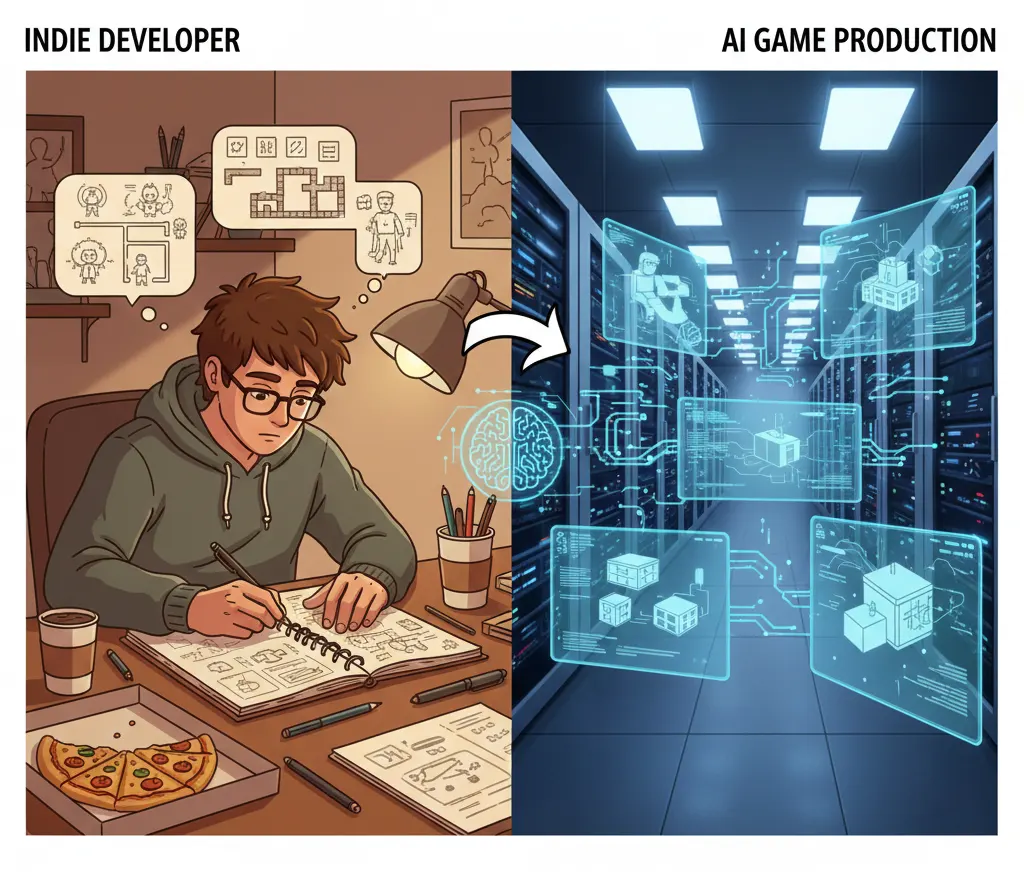
Human-made games usually come from developers with a visible history—devlogs, previous releases, or active community engagement.
4. Look Beyond the “New & Trending” Tab
Trending sections are increasingly gamed. Instead, explore niche genre tags or follow festivals like Steam Next Fest.
5. Use External Discovery Platforms
Sites like itch.io and indie-focused communities often spotlight passion projects before they reach Steam.
What Valve Might Do Next
Valve has acknowledged concerns about AI-generated content, introducing disclosure requirements and moderation tools. Still, balancing openness with quality remains a challenge.
Stricter labeling, improved discovery filters, or curated lanes for handcrafted games may be the next step.
The Future of the Steam Store
Generative AI isn’t going away. But as with mobile app stores and content platforms before it, saturation may eventually give way to new forms of curation.
In the meantime, players willing to dig a little deeper can still find remarkable, human-made experiences—often created by small teams who care deeply about their craft.
The “gameslop” flood has changed how we browse, buy, and trust games on Steam. Discovery is harder—but not impossible. With sharper tools and a more intentional approach, the best games still rise above the noise.
#SteamGames #GenerativeAI #IndieGames #GameDiscovery #AIGaming #GameDevelopment #DigitalCulture #FutureOfGames