

 By Vinod Ram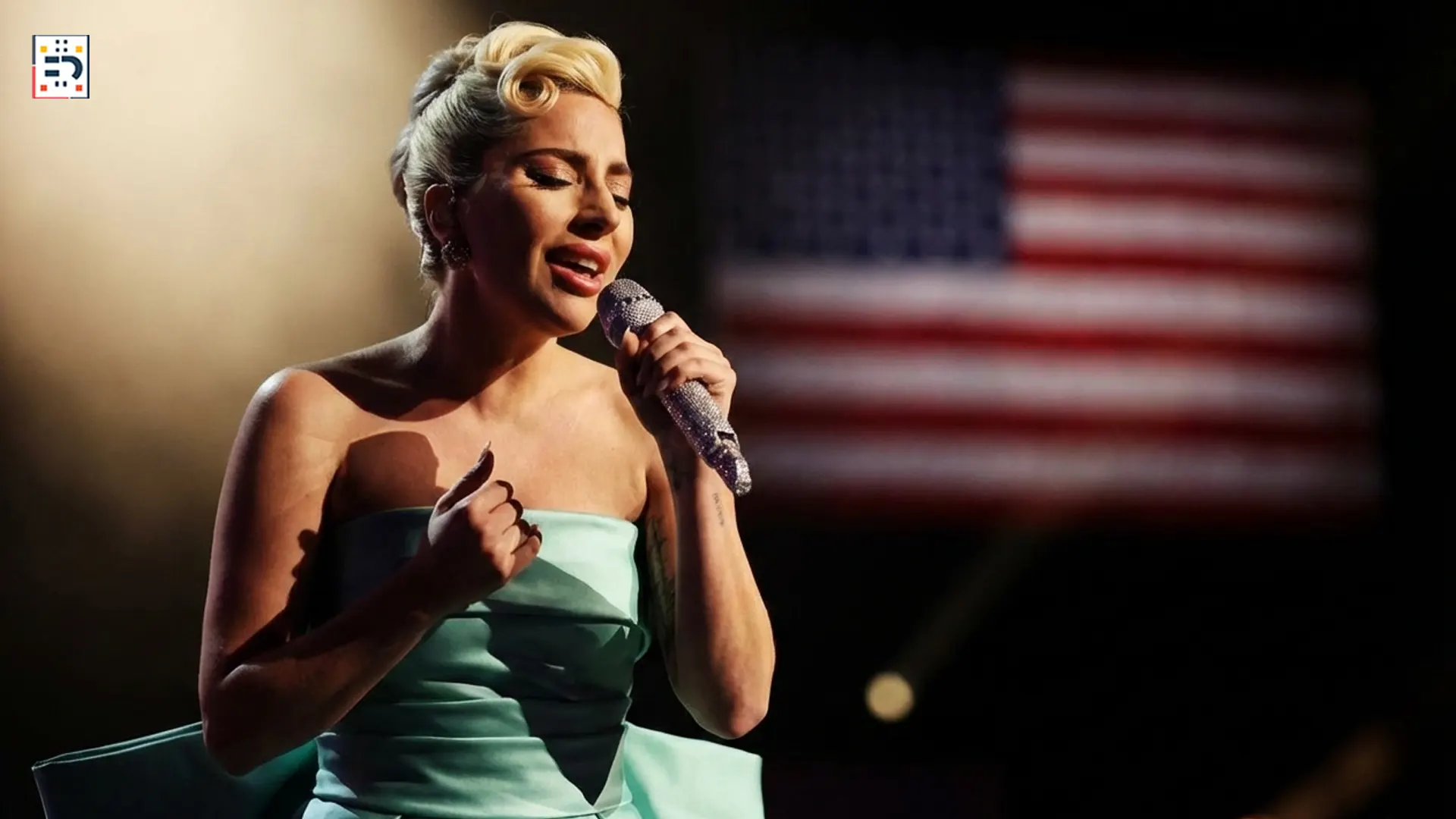
When Lady Gaga was announced as the face—and voice—of an upcoming Super Bowl commercial, few expected the song choice to ignite a cultural debate. Yet her stripped-down, soulful rendition of “Won’t You Be My Neighbor?” has done exactly that, prompting one central question: is this a simple feel-good ad, or a subtle socio-political statement aimed squarely at 2026 America?
A Familiar Song, Reimagined for a Divided Moment
Originally associated with Mister Rogers’ Neighborhood, “Won’t You Be My Neighbor?” has long symbolized kindness, empathy, and civic decency. Gaga’s version slows the tempo, adds gospel-inspired undertones, and replaces childhood innocence with emotional gravity.
In a media environment saturated with irony and outrage, the performance feels deliberately earnest. That sincerity, however, is precisely what has divided audiences.

Feel-Good Branding or Cultural Commentary?
Supporters argue the ad is a masterclass in emotional branding. The Super Bowl remains one of the few truly shared cultural moments in the United States, and nostalgia-driven messaging has historically resonated with viewers across political lines.
Critics, however, see something more intentional. In an era defined by political polarization, debates over identity, and declining trust in institutions, the message of neighborliness can read as quietly radical. Gaga—known for weaving activism into her art—has a track record of aligning music with cultural moments, from LGBTQ+ advocacy to mental health awareness.
The Lady Gaga Factor
Unlike anonymous voiceovers or legacy crooners, Lady Gaga is inseparable from her public persona. Her past involvement in political and social causes means audiences are primed to read deeper meaning into her artistic choices.
This raises a crucial point: intent may matter less than perception. Even if the brand behind the ad intended a neutral, comforting message, Gaga’s presence reframes it as cultural commentary—whether explicit or not.

Why This Resonates in 2026 America
The debate surrounding the anthem reflects a broader truth about modern American culture: neutrality itself is often interpreted as a stance. Messages about unity, kindness, and community can feel aspirational to some and evasive to others.
In that sense, the ad functions as a cultural Rorschach test. Viewers project their own hopes, anxieties, and political assumptions onto a song that once belonged to children’s television.
So, Protest or Pivot?
The answer may be both—and neither. Gaga’s performance doesn’t chant slogans or endorse policies. Instead, it pivots away from spectacle toward emotional grounding, using nostalgia as a mirror rather than a megaphone.
Whether audiences hear comfort or critique depends less on the melody and more on the moment. And that, perhaps, is what makes this Super Bowl anthem so powerful.
#LadyGaga #SuperBowl2026 #CulturalCommentary #MusicAndPolitics #PopCultureDebate #BrandStorytelling