

 By Vinod Ram
When legendary composer Philip Glass quietly withdrew his acclaimed “Lincoln” symphony from a scheduled performance, few expected it to trigger a wider cultural standoff. But his decision has now become a flashpoint in a growing boycott of the newly renamed Trump–Kennedy Center—and the list of artists refusing to perform there is steadily growing.
A Name Change That Changed Everything
The Kennedy Center for the Performing Arts has long stood as a symbol of bipartisan cultural prestige in Washington, D.C. Its reported renaming—honoring former President Donald Trump alongside John F. Kennedy—has unsettled artists who view the institution as a space meant to transcend partisan politics.
For critics, the rebranding represents not merely a cosmetic shift but a redefinition of what the venue stands for: from cultural diplomacy to ideological signaling.
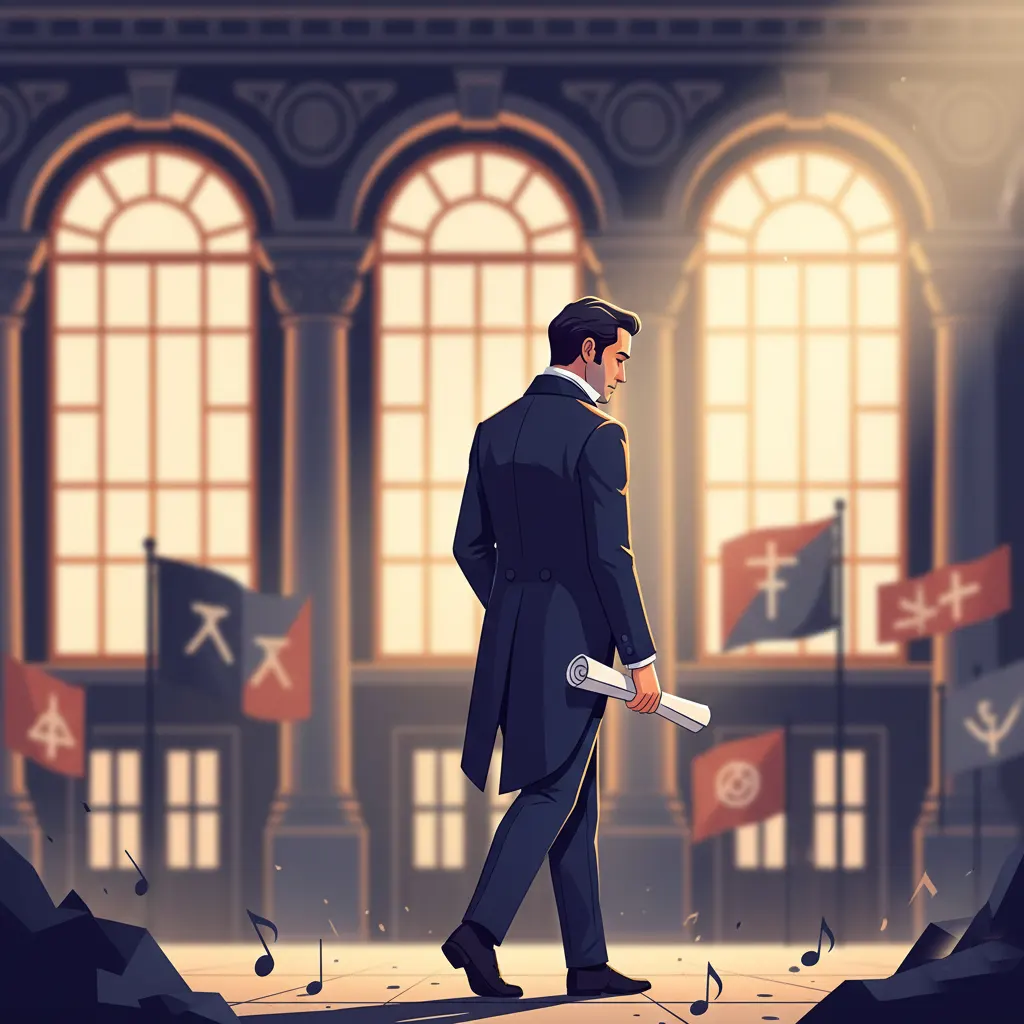
Philip Glass and the “Lincoln” Withdrawal
Glass’s “Lincoln” symphony—an artistic meditation on American democracy and moral leadership—was slated for a high-profile performance. His withdrawal, though issued without inflammatory rhetoric, carried symbolic weight.
In artistic circles, the move was interpreted as a refusal to let a work about unity and democratic ideals be framed within a venue now perceived as politically charged.
Who’s In: Artists Joining the Boycott
Following Glass’s decision, several composers, conductors, and performers have reportedly declined invitations or postponed appearances. While not all have issued public statements, industry insiders cite concerns including:
- Preserving artistic independence
- Opposition to political rebranding of cultural institutions
- Fear of reputational backlash among global audiences
For many, the boycott is less about party politics and more about resisting what they see as the politicization of art.
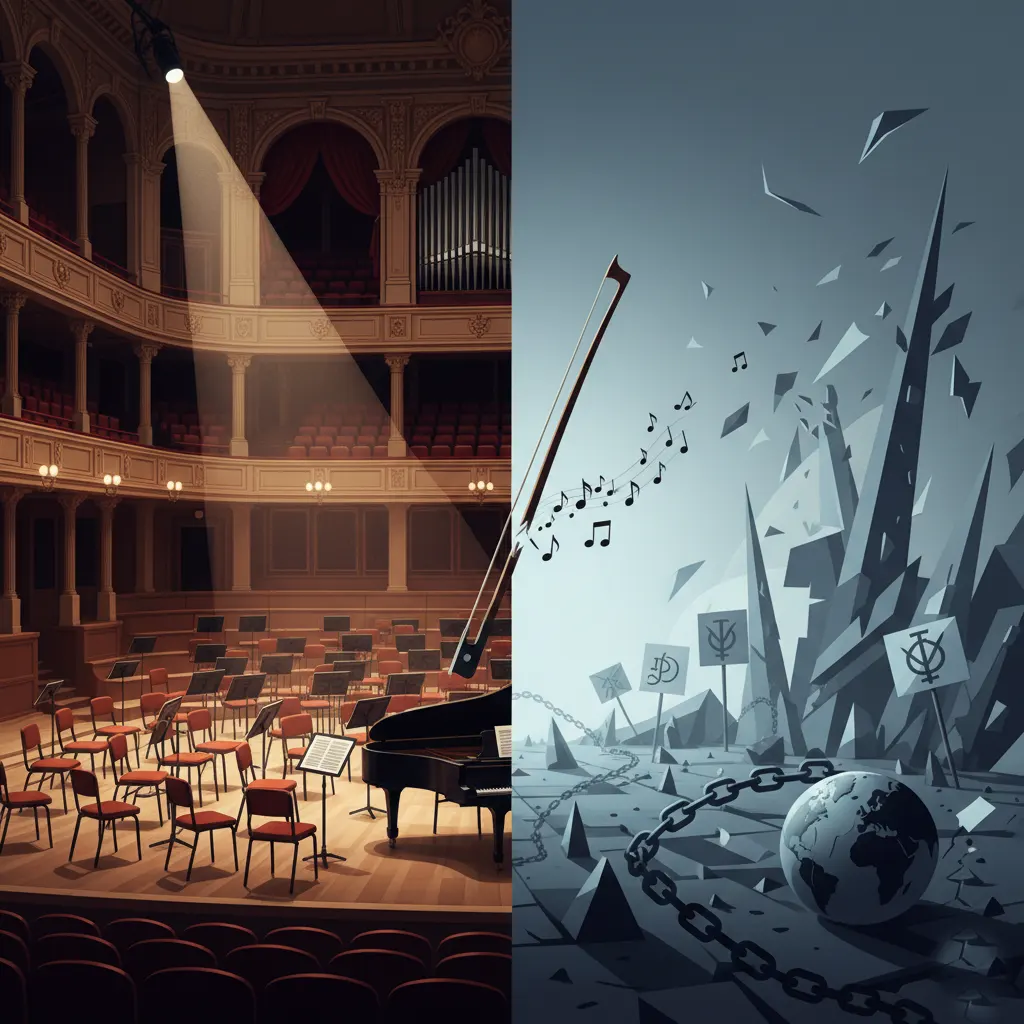
Who’s Out: Artists Choosing to Perform
Not everyone is walking away. Some performers argue that boycotts risk alienating audiences and undermining the very purpose of public art. Others maintain that the Kennedy Center—regardless of its name—remains a vital platform for artistic expression.
A few artists have emphasized that engagement, not withdrawal, is the more effective way to keep culture accessible and inclusive.
A Broader Culture War in the Arts
The Trump–Kennedy Center controversy reflects a wider debate playing out across museums, universities, and cultural venues nationwide. As public institutions increasingly become sites of ideological conflict, artists are being forced to choose between visibility and values.
What once felt unthinkable—turning down America’s premier performing arts stage—now appears, for some, to be a moral necessity.
Whether the boycott expands or fades will depend on two factors: how the institution responds, and whether more high-profile artists follow Glass’s lead. Either way, the episode underscores a new reality—art and politics are no longer just intersecting; they are colliding.
And in that collision, silence itself has become a statement.
#KennedyCenter #TrumpKennedyCenter #ArtsBoycott #PhilipGlass #CultureWars #PoliticsAndArt #AmericanCulture