

 By Vinod Ram
The American mall is undergoing a radical reinvention. Once anchored by department store giants like Macy’s and Sears, malls heading into 2026 are increasingly built around a very different draw: wellness, healthcare, and immersive experiences.
Urgent care clinics, yoga studios, mental health services, and interactive entertainment are replacing racks of clothing. The question now is whether this transformation makes the mall relevant again—or finally cool.
Why the Traditional Mall Model Collapsed
For decades, department stores served as mall anchors, driving foot traffic that benefited smaller retailers. That model began unraveling as e-commerce reshaped consumer behavior.
According to analysis from CNBC Retail, many legacy anchors struggled with declining sales, excess space, and changing shopper expectations.
As stores closed, mall owners faced a stark choice: redevelop or disappear.
Wellness Becomes the New Anchor Tenant
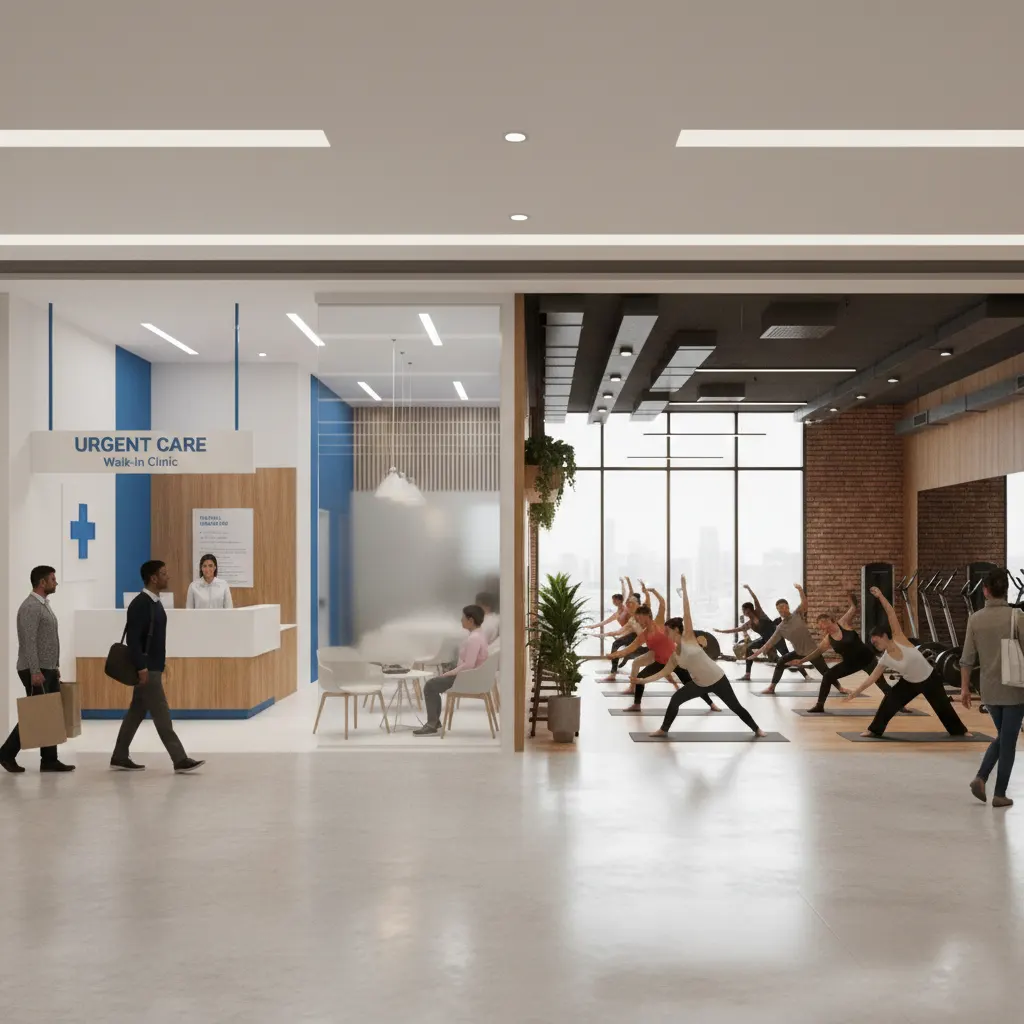
In place of traditional retail, developers are embracing wellness-centered tenants that offer services people cannot replicate online.
These include:
- Urgent care and outpatient medical clinics
- Yoga, Pilates, and boutique fitness studios
- Mental health and therapy centers
- Nutrition, recovery, and longevity services
Healthcare providers bring steady, repeat traffic. Fitness and wellness brands add lifestyle appeal. Together, they create a new kind of anchor—one built around necessity and routine.
The Rise of “Immersive Experiences”
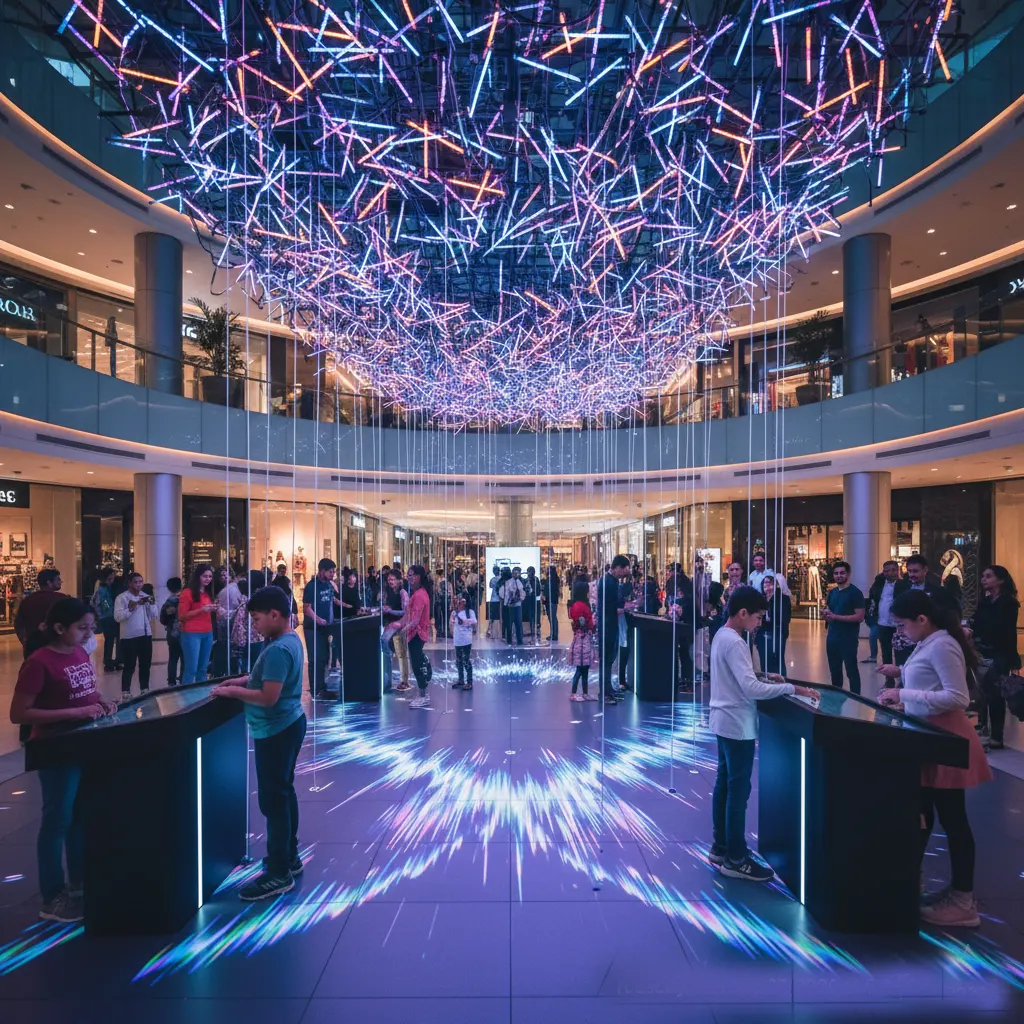
Beyond wellness, malls are investing heavily in immersive experiences designed to keep visitors engaged for hours.
Examples include:
- Interactive art installations
- Virtual reality and gaming lounges
- Experiential dining concepts
- Live events and community programming
Retail analysts at Business of Fashion and Fast Company note that experience-driven spaces outperform traditional retail in dwell time and social media engagement.
Why Wellness and Experience Work Together
Wellness services bring people regularly. Immersive experiences keep them longer.
This combination transforms malls from transactional spaces into community hubs. Visitors come for a doctor’s appointment or yoga class, then stay for food, entertainment, or events.
For landlords, this mix stabilizes revenue and reduces dependence on discretionary shopping.
What This Means for Retail and Real Estate
The shift signals a broader change in commercial real estate strategy.
Malls are evolving into mixed-use environments that blend:
- Healthcare
- Fitness and wellness
- Entertainment
- Food and beverage
- Limited, curated retail
According to JLL, properties that adapt to this model see stronger long-term occupancy and higher-quality tenants.
Is the American Mall Cool Again?
The answer depends on how success is defined.
Malls may never return to their 1990s peak as shopping destinations. But as wellness-driven social spaces, they are finding a new purpose.
For younger consumers, the appeal lies in experiences and self-care. For older visitors, convenience and services matter most.
In bridging those needs, the modern mall feels less like a relic—and more like a reflection of contemporary life.
Wellness as the new mall anchor marks one of the most significant retail shifts in decades. By replacing declining department stores with care, connection, and immersion, malls are redefining their role.
They may not look like the malls of the past—but in 2026, they might finally make sense again.
#MallTransformation #RetailTrends #WellnessEconomy #ImmersiveExperiences #CommercialRealEstate #FutureOfRetail #UrbanLifestyle