

 By Vinod Ram
In 2026, fashion isn’t just about how clothes look — it’s about where they come from. As trends like “The New Raw” (unwashed, untreated denim) take over, a new question is driving buying decisions: Is this piece authentic, and can I prove it?
Enter digital provenance — a technology-driven movement combining blockchain verification, supply-chain transparency, and cultural status. For Gen Z, knowing the exact origin of a jacket is now part of the style itself.
What Is Digital Provenance in Fashion?
Provenance traditionally referred to the documented history of artwork or luxury goods. In fashion, digital provenance applies that same logic using blockchain technology .
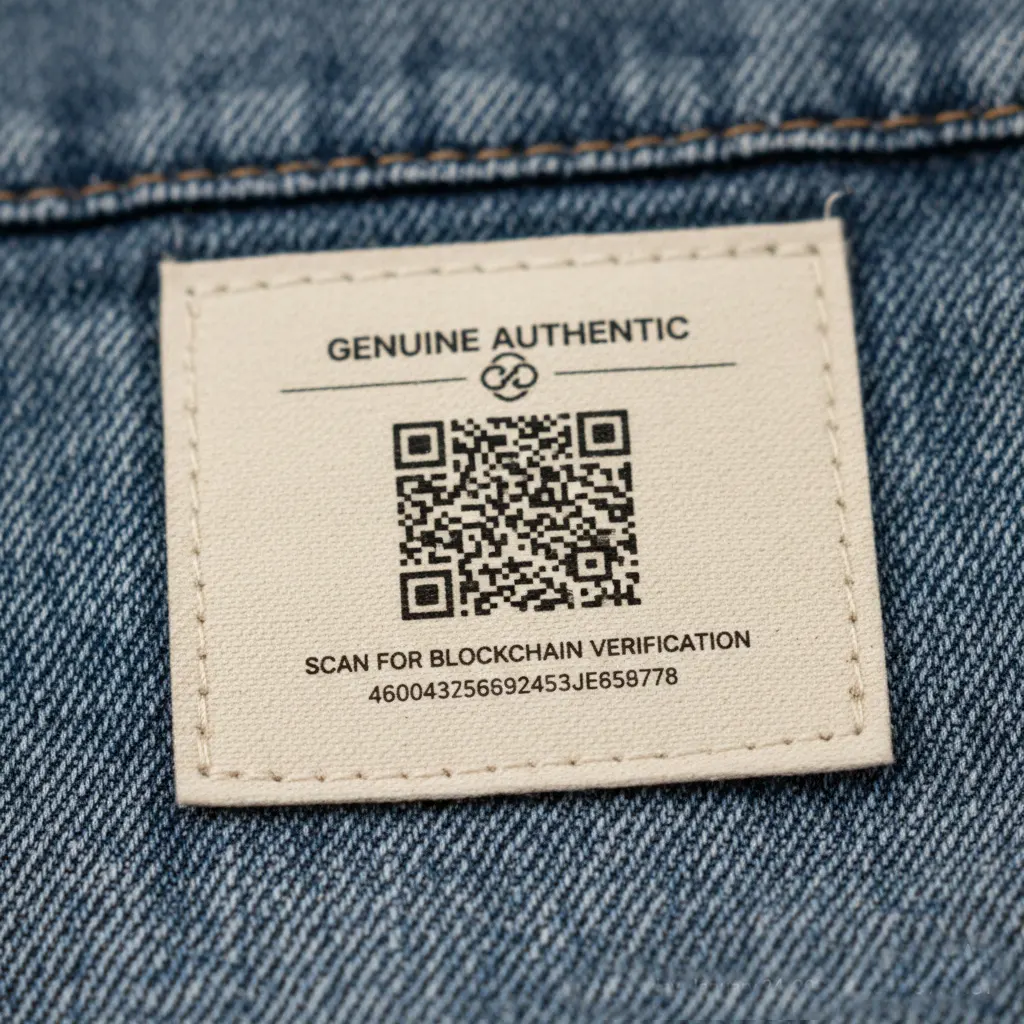
Each garment can carry a digital certificate — often via QR code or NFC tag — showing where the fabric was sourced, where it was made, and whether it’s authentic. Once recorded, the data cannot be altered.
The Rise of “The New Raw” Aesthetic
The New Raw trend celebrates imperfection — unwashed denim, visible seams, and materials that age naturally over time. Brands inspired by heritage workwear and sustainability are leaning into authenticity rather than polish.
Labels known for raw denim craftsmanship, such as Levi’s and Nudie Jeans , are increasingly pairing this aesthetic with transparent sourcing stories.
Why Gen Z Is Obsessed With Knowing the Origin
For Gen Z consumers, authenticity is social currency. Raised on digital receipts, resale platforms, and sustainability activism, they expect proof — not marketing claims.
According to research referenced by McKinsey , younger shoppers are significantly more likely to buy from brands that provide transparency about labor practices and environmental impact.
What Digital Provenance Signals to Gen Z
- Authenticity in an era of counterfeits
- Ethical and sustainable production
- Status without obvious logos
- Resale value backed by proof
Blockchain Meets Resale Culture
Digital provenance also feeds directly into the booming resale economy. Platforms like StockX and GOAT thrive on verified authenticity — and blockchain verification removes friction from trust-based transactions.
A jacket with a verified digital history isn’t just clothing — it’s a traceable asset.

Is Digital Provenance the Future of Fashion?
As counterfeit markets grow and sustainability claims face scrutiny, digital provenance offers a scalable solution. Luxury and streetwear brands alike are experimenting with on-chain verification as a standard feature — not a premium add-on.
In a world where identity, ethics, and style intersect, proof has become part of the product.
Authenticity Is the New Luxury
In 2026, asking “Is this jacket real?” means more than checking a label. It means understanding its journey — from raw material to finished garment.
For Gen Z, digital provenance isn’t a tech gimmick. It’s a declaration that authenticity, transparency, and origin matter.
#DigitalProvenance #TheNewRaw #RawDenim #FashionTech #BlockchainFashion #GenZStyle #SustainableFashion #AuthenticStyle