

 By Vinod Ram
Hollywood has always loved a sequel, but the 2026 box office is shaping up to be something deeper than franchise fatigue. With renewed chatter around Spaceballs and other legacy properties, nostalgia has become one of the most powerful forces driving modern cinema. From reboots and long-delayed sequels to universe expansions, studios are betting big on audiences’ emotional connections to the past.
The Return of Spaceballs and the Rise of Legacy Sequels
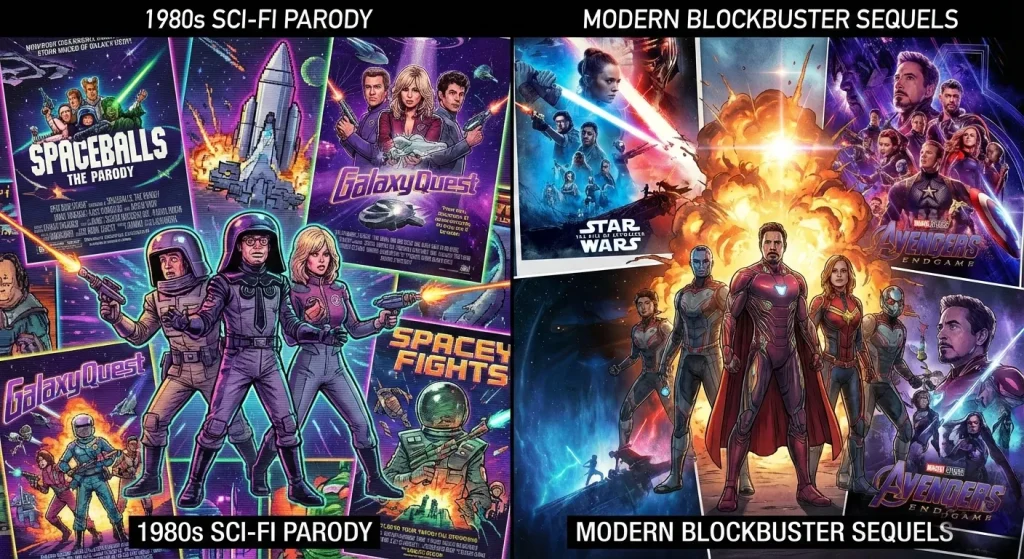
Originally released in 1987, Spaceballs was a parody that skewered franchises like Star Wars and Star Trek. Nearly four decades later, renewed industry buzz around a potential sequel has reignited interest in the franchise—especially among millennials and Gen X audiences who grew up quoting the film.
While official confirmation remains limited, the cultural conversation alone reflects a larger industry pattern: legacy IPs outperform original concepts in an increasingly competitive theatrical market.
Why Nostalgia Works So Well in Modern Cinema
Nostalgia-driven films tap into more than recognition—they trigger emotional memory. According to entertainment analysts frequently cited by The Hollywood Reporter, audiences are more likely to invest time and money in stories they already trust.
- Lower marketing risk due to built-in fan bases
- Cross-generational appeal between parents and younger viewers
- Merchandising and streaming synergies
This explains the success of recent revivals like Box Office Mojo-tracked sequels and reboots across sci-fi, action, and comedy genres.
The 2026 Box Office: A Familiar Future
Looking ahead to 2026, studios are increasingly prioritizing franchises with cultural longevity. From science fiction to animated classics, the release calendar is packed with recognizable titles that promise both theatrical returns and long-tail streaming value.
Industry data referenced by Variety suggests that audiences are gravitating toward “event films”—movies that feel communal, familiar, and emotionally safe in uncertain global times.
Streaming, Reboots, and the Algorithm Effect
Streaming platforms have also played a key role in nostalgia’s resurgence. When older titles trend on platforms like Netflix or Disney+, studios gain real-time data proving renewed interest—often accelerating reboot or sequel decisions.
This feedback loop between streaming analytics and theatrical releases has fundamentally reshaped how Hollywood evaluates creative risk.
Is Original Storytelling at Risk?
While nostalgia sells, critics argue it may crowd out original storytelling. Filmmakers and audiences alike continue to debate whether Hollywood is becoming overly dependent on its past.
However, history shows that trends are cyclical. As nostalgia peaks, the next wave of original voices often follows—frequently emerging from indie studios before breaking into the mainstream.
What Spaceballs 2 Really Represents
Whether or not Spaceballs 2 officially lands in theaters, its cultural relevance in 2026 is undeniable. It represents an era when movies were bold, absurd, and unafraid to parody themselves—qualities many fans feel modern cinema sometimes lacks.
In that sense, nostalgia isn’t about living in the past. It’s about reconnecting with what once made movies fun.
As the 2026 box office takes shape, nostalgia will continue to dominate ticket sales, streaming charts, and cultural conversations. From sci-fi parodies to blockbuster epics, familiar stories remain Hollywood’s safest—and most profitable—bet.
#Spaceballs2 #NostalgiaMovies #HollywoodCinema #FilmCulture #MovieTrends