

 By Vinod Ram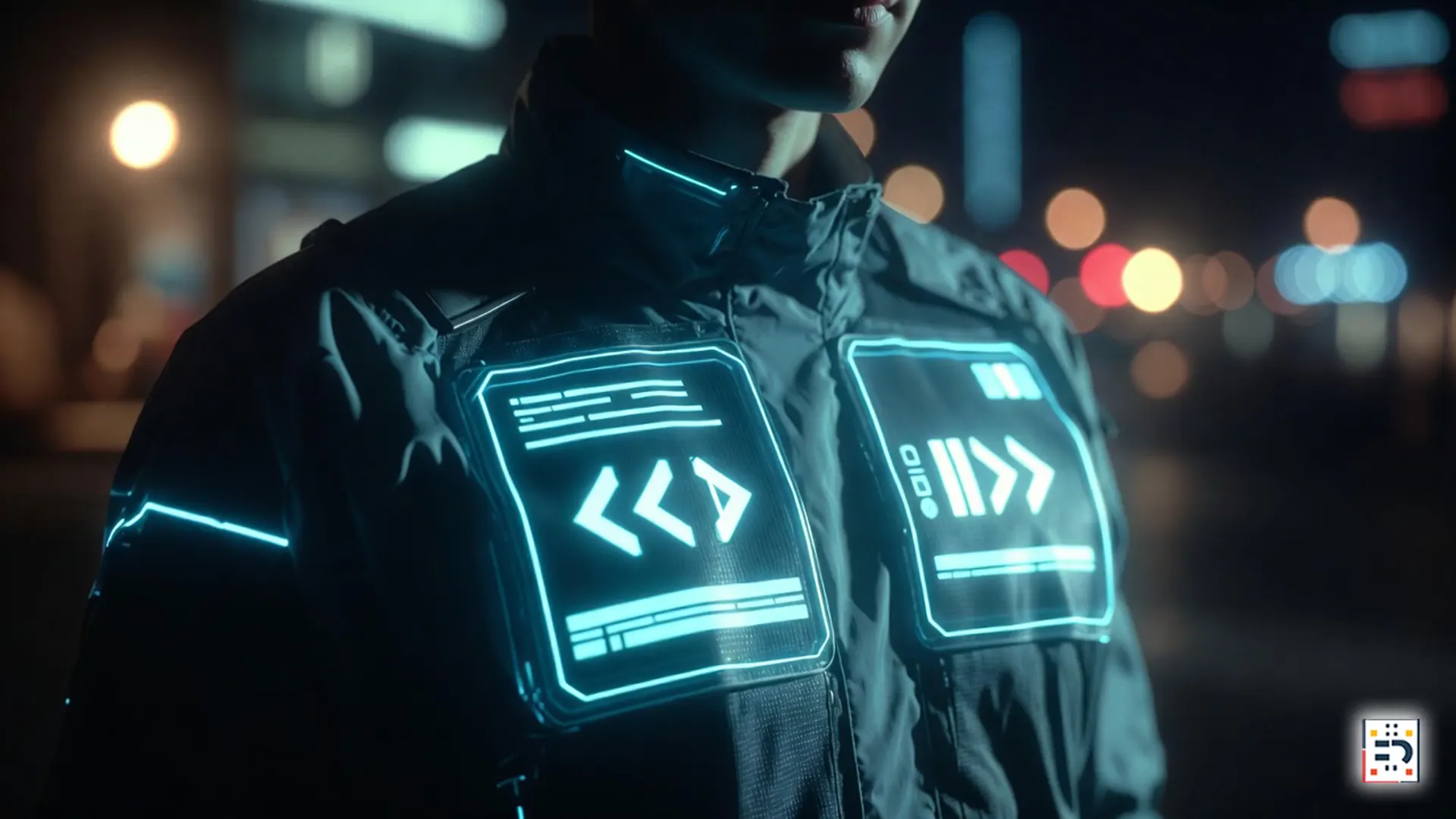
The boundary between technology and clothing is officially starting to disappear.
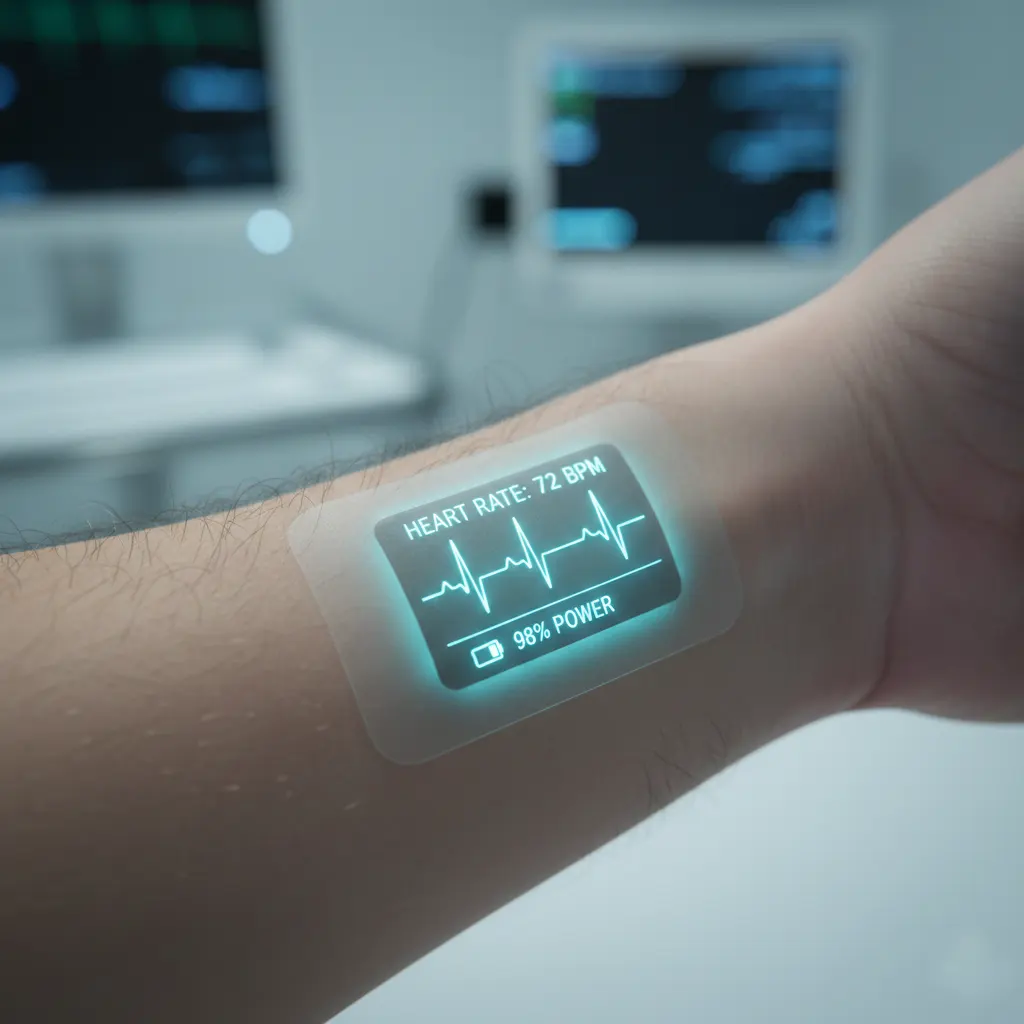
Engineers have recently demonstrated stretchable OLED displays that bend, twist, and stretch like fabric — opening the door to a future where your jacket can show navigation arrows or a medical patch displays real-time heart data.
This breakthrough signals a major leap forward in wearable technology, transforming clothing from passive material into active digital interfaces.
What Are Stretchable OLEDs?
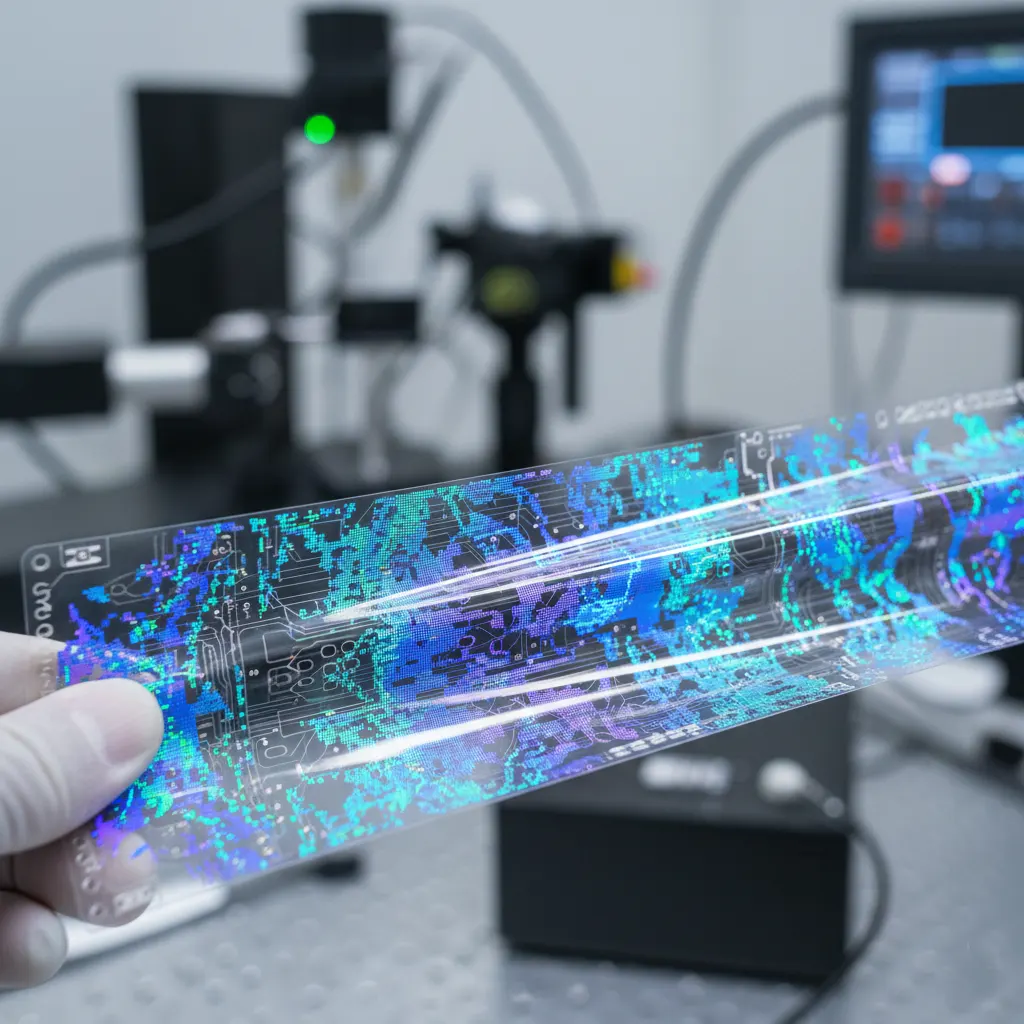
OLED (organic light-emitting diode) displays are already used in smartphones, TVs, and smartwatches. What’s new is their ability to stretch and deform without breaking or losing image quality.
Unlike traditional rigid screens, stretchable OLEDs are built on elastic substrates, allowing them to expand and contract similarly to human skin or textiles.
Recent prototypes unveiled by research teams and electronics manufacturers demonstrate screens that can stretch over 20% while remaining fully functional.
From Clothing to Interface: How Wearable Screens Could Be Used
Once integrated into textiles, stretchable OLEDs could turn everyday clothing into interactive surfaces.
Smart Jackets With Built-In Navigation
Imagine cycling or walking through a city while subtle arrows appear on your sleeve, guiding you turn by turn.
This concept builds on advances in human–computer interaction, where information is delivered passively and intuitively rather than through constant phone checks.
Medical Patches Showing Real-Time Health Data
In healthcare, stretchable OLEDs could revolutionize patient monitoring.
Wearable medical patches embedded with displays could show:
- Heart rate
- Blood oxygen levels
- Hydration status
These innovations align with trends in digital health technology, where real-time feedback improves outcomes and patient engagement.
Fitness Apparel That Responds to Your Body
Sportswear could display posture cues, muscle engagement, or recovery data directly on fabric.
Instead of checking a smartwatch, users would receive immediate visual feedback woven into what they’re wearing.
Why Stretchable Screens Are a Big Deal
Previous attempts at wearable screens struggled with durability and comfort.
Stretchable OLEDs solve several key challenges:
- They move naturally with the body
- They reduce bulk and rigid components
- They can be integrated into soft materials
This makes them far more practical than earlier concepts like rigid wearable displays or clip-on screens.
The Engineering Challenges Still Ahead
Despite impressive demos, stretchable OLEDs are not yet ready for mass-market clothing.
Key hurdles include:
- Durability through washing and daily wear
- Power supply and battery integration
- Cost-effective large-scale manufacturing
Electronics leaders such as Samsung and research institutions like MIT are actively exploring solutions to these problems.
Privacy and Design Concerns
As clothing becomes a display, new questions emerge.
Designers and ethicists are already discussing issues around:
- Data privacy on visible screens
- Information overload
- Social norms around always-on displays
These debates mirror early conversations around smartphones and smart glasses, as documented in coverage of emerging consumer technology.
When Could Wearable Screens Hit the Market?
Industry analysts expect early use cases — particularly in medical and industrial settings — to appear before consumer fashion.
Mainstream wearable screens embedded in everyday clothing are more likely toward the late 2020s, once durability and cost challenges are addressed.
The Interface Becomes Invisible
Stretchable OLEDs represent a shift in how we think about screens.
Instead of pulling information from devices, information comes to us — seamlessly, softly, and integrated into what we already wear.
If smartphones defined the last decade, wearable screens woven into fabric may define the next.
#WearableScreens #SmartClothing #FutureTech #TechTrends