

 By Vinod Ram
The start of 2026 has brought more than a new calendar year for millions of Americans. As of January 1, major provisions of the One Big Beautiful Bill Act (OBBBA) are now in effect — and households across the country are beginning to feel the impact in their monthly budgets.
From rising health insurance premiums to changes in Affordable Care Act (ACA) coverage and SNAP benefits, January has become a transition month for families navigating a shifting safety net.
What Is the One Big Beautiful Bill Act (OBBBA)?
The OBBBA is a sweeping federal budget and policy package that includes reductions to certain health care and social support programs, alongside broader fiscal changes.
While supporters frame the law as a cost-control and efficiency measure, critics warn that its real-world effects will be felt most acutely by middle- and lower-income households.
What’s clear is this: the changes are no longer theoretical. They’re now showing up on insurance bills, benefit statements, and household spreadsheets.
Rising Health Insurance Premiums in 2026
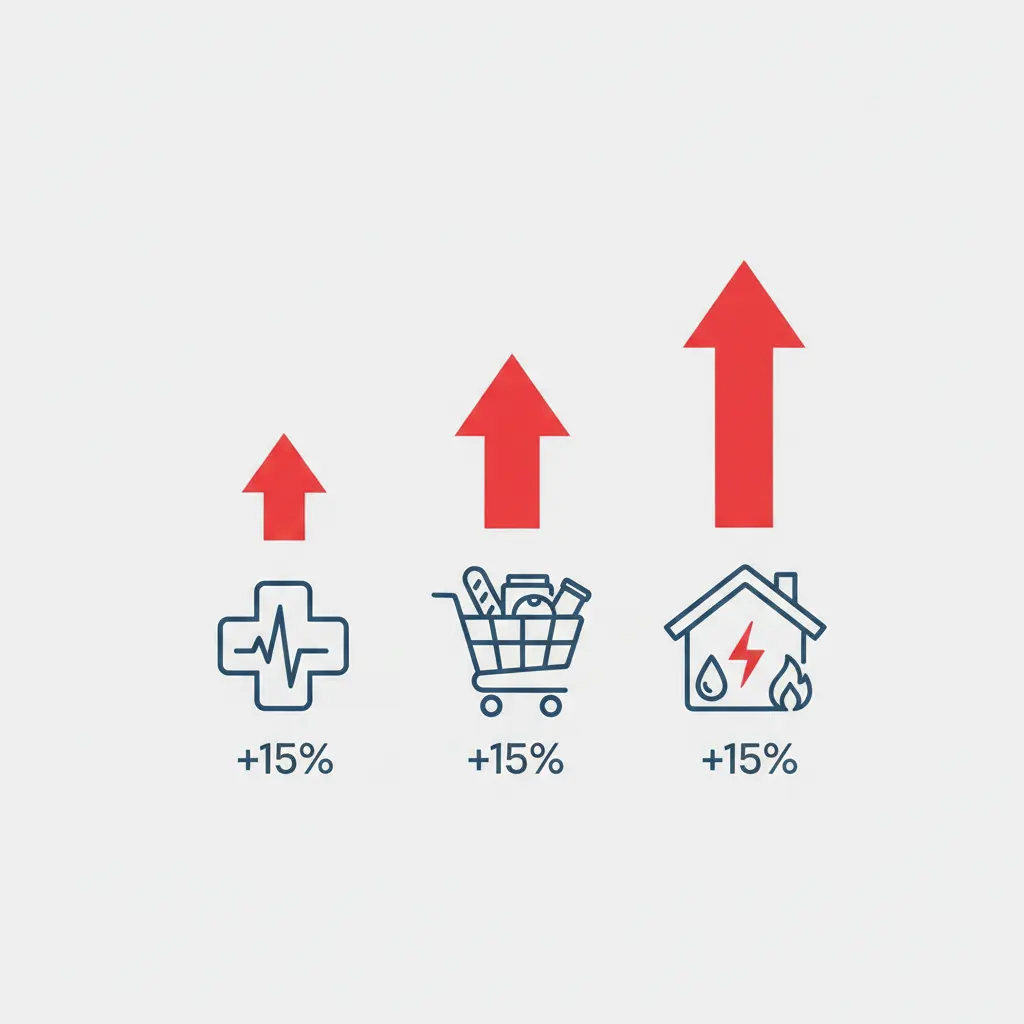
One of the most immediate impacts of the OBBBA has been an increase in health insurance premiums for many Americans, particularly those purchasing coverage through ACA marketplaces.
Key factors driving higher costs include:
- Reduced federal subsidies for certain income brackets
- Higher out-of-pocket cost sharing
- Changes to insurer participation in some state marketplaces
For many families, this means paying more each month for the same coverage — or being forced to downgrade plans to manage costs.
ACA Changes: Who Is Most Affected?
Americans who rely on ACA plans are experiencing the most noticeable shifts in January.
Groups most impacted include:
- Households just above subsidy eligibility thresholds
- Self-employed workers and freelancers
- Early retirees not yet eligible for Medicare
For these groups, even modest premium increases can strain already tight budgets — especially when combined with inflation-driven increases in housing, food, and utilities.
SNAP Benefit Adjustments Add Pressure
In addition to health care changes, adjustments to Supplemental Nutrition Assistance Program (SNAP) benefits are also taking effect this month.
While eligibility rules remain intact for most recipients, benefit recalculations tied to the OBBBA have resulted in:
- Lower monthly food assistance for some households
- Stricter reporting and compliance requirements
- Increased uncertainty during recertification periods
For families already absorbing higher health care costs, these changes compound financial stress.
What This Means for the Average Household Budget
Individually, each adjustment may seem manageable. Together, they represent a meaningful shift in household economics.
Many Americans are now balancing:
- Higher insurance premiums
- Greater medical out-of-pocket expenses
- Reduced food assistance or benefits
Financial planners warn that these pressures could increase reliance on credit cards, emergency savings, or deferred medical care — all of which carry long-term consequences.
Navigating the Changes: What You Can Do Now
While the OBBBA changes are already in effect, there are still steps households can take in early 2026:
- Review health insurance plans and coverage details carefully
- Recheck eligibility for ACA subsidies or state-level assistance
- Adjust monthly budgets to reflect new fixed costs
- Seek nonprofit or community health resources if needed
Experts emphasize that awareness is the first line of defense against unexpected financial strain.

The Bigger Picture: A Safety Net in Transition
The OBBBA reflects a broader shift in how federal support programs are structured and funded.
For policymakers, the debate centers on sustainability and spending. For households, the concern is far more immediate: affordability.
As millions of Americans navigate these changes in January, the coming months will reveal whether the adjustments stabilize — or deepen — existing economic pressure.
The impact of the OBBBA is no longer abstract.
It’s visible in monthly premium notices, benefit recalculations, and family budget decisions happening right now. For many Americans, 2026 is beginning with tougher financial trade-offs — and closer scrutiny of every dollar.
Rising Premiums
Health care costs tracked by the Kaiser Family Foundation show upward pressure on premiums.
#Budgeting2026 #HealthCareCosts #MoneyTips #PersonalFinance