

 By Vinod Ram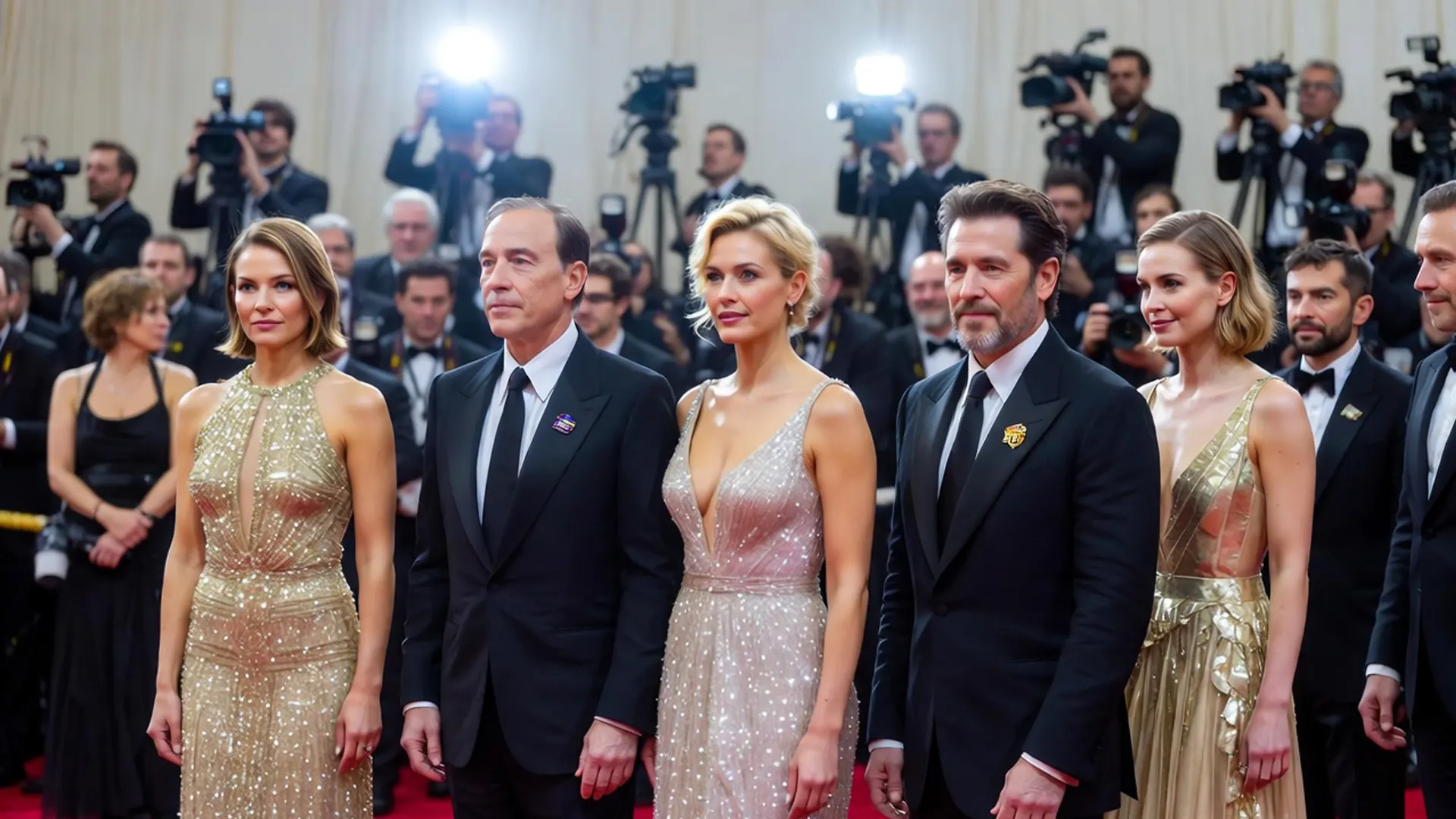
Awards season has barely begun, and controversy is already dominating headlines.
At the Golden Globes kickoff, several high-profile celebrities — including Mark Ruffalo and Ariana Grande — appeared on the red carpet wearing “Anti-ICE” pins, sparking intense debate across social media and news platforms.
Supporters call the gesture a powerful act of solidarity. Critics argue it politicizes entertainment events and oversimplifies complex policy issues. The moment has once again raised a familiar question: what role should activism play on the red carpet?
What Are “Anti-ICE” Pins?
The pins reference opposition to U.S. Immigration and Customs Enforcement (ICE), a federal agency responsible for immigration enforcement and deportation operations.
In recent years, ICE has been at the center of public debate surrounding:
- Immigration enforcement practices
- Detention conditions
- Family separation policies
Wearing an “Anti-ICE” pin is widely interpreted as a symbolic protest against how immigration laws are enforced rather than a single policy or administration.
Why the Golden Globes Moment Went Viral
The Golden Globes have long been known for blending entertainment and commentary, but this year’s red carpet activism gained rapid traction due to:
- The visibility of A-list celebrities
- Highly shareable red carpet images
- Ongoing national debate around immigration
Photos circulated rapidly across platforms like X (formerly Twitter), Instagram, and TikTok, triggering millions of impressions within hours. Media outlets quickly amplified the story, framing it as one of the first major cultural flashpoints of the awards season.

A Brief History of Red Carpet Protests
Red carpet activism is not new. For decades, celebrities have used high-profile events to spotlight social and political causes.
Notable Examples Include:
- Black dresses at the Golden Globes (2018) in support of the Time’s Up movement
- Blue ribbons at the Oscars advocating for AIDS awareness
- Political slogans and pins related to war, climate change, and civil rights
The red carpet functions as a global stage — one where symbolism can reach audiences far beyond traditional political spaces.
The Polarized Public Reaction
As with many celebrity-led protests, reaction to the Anti-ICE pins has been sharply divided.
Supporters Argue:
- Celebrities have a platform and a responsibility to use it
- Symbolic acts can raise awareness and spark dialogue
- Silence can be interpreted as complicity
Critics Counter:
- Awards shows should remain focused on art and entertainment
- Complex policy issues are reduced to slogans
- Celebrity activism can feel performative
This split mirrors broader cultural divisions over politics, media, and the role of public figures in shaping opinion.

Why Celebrity Activism Still Matters
Whether praised or criticized, red carpet activism continues because it works — at least in terms of visibility.
In an era of fragmented attention, symbolic gestures at globally broadcast events can:
- Drive mainstream media coverage
- Influence online discourse
- Introduce issues to audiences who might otherwise disengage
However, visibility does not always translate into consensus, and the Anti-ICE pin controversy highlights how cultural influence can just as easily deepen divides.
The Bigger Picture: Culture, Politics, and Entertainment
The debate surrounding the Anti-ICE pins is less about a single accessory and more about the evolving relationship between culture and politics.
As entertainment platforms grow more global and social media accelerates reaction cycles, moments like these are likely to become even more frequent — and more contentious.
The question may no longer be whether celebrities should engage in activism, but how audiences choose to interpret and respond to it.
The Golden Globes Anti-ICE pin moment has set the tone for an awards season where art, identity, and politics continue to collide.
#RedCarpetActivism #AwardsSeason #CelebrityCulture #PopCultureTalk