

 By Vinod Ram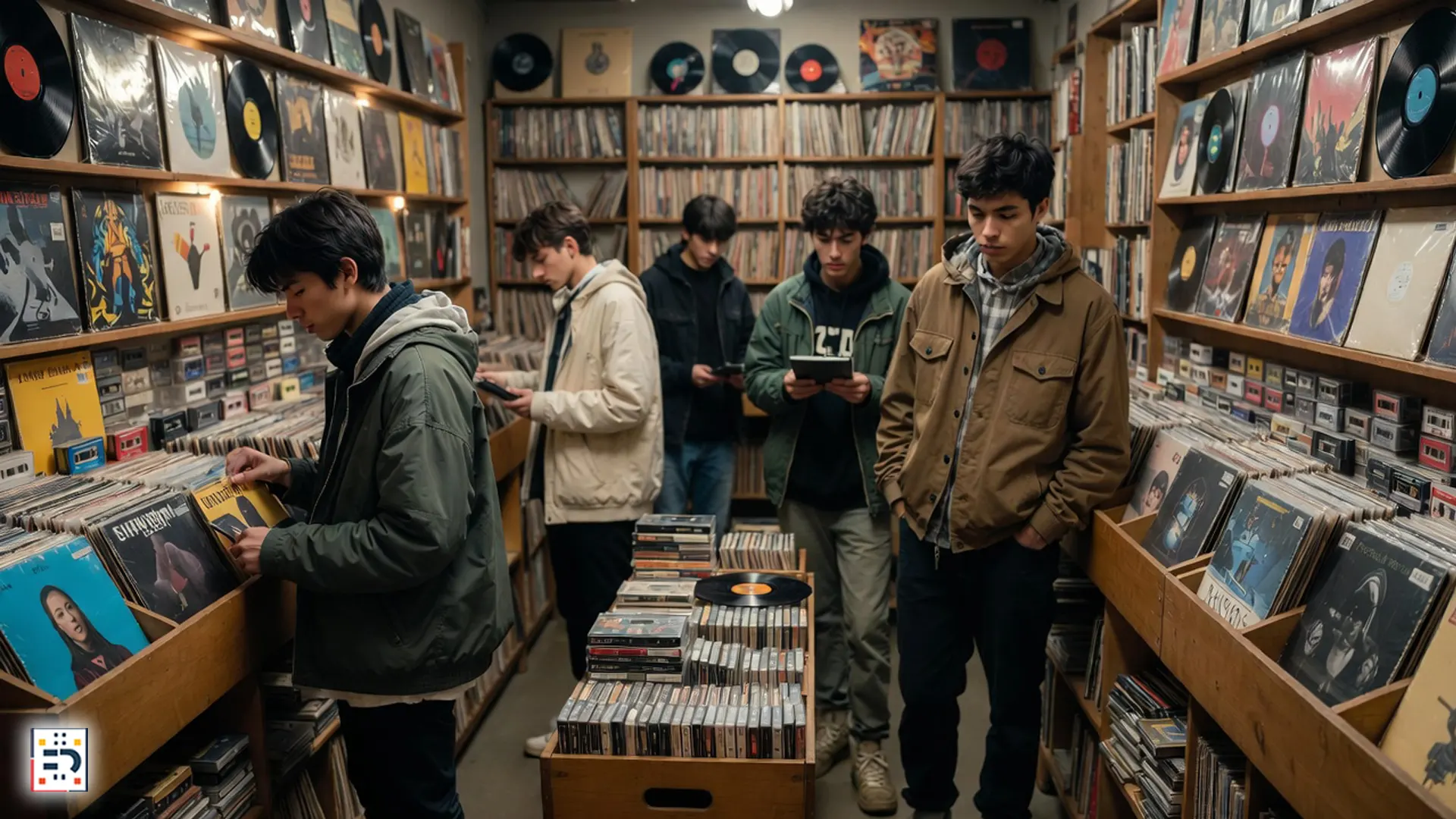
This weekend, Gen Z isn’t scrolling—they’re rewinding. Across major cities, record stores report surging foot traffic, cassette sales are climbing again, and “dumb phones” are making a surprise comeback.
In an era defined by infinite streaming and algorithmic feeds, physical media has become the counterculture. Vinyl records, cassette tapes, and offline devices are no longer nostalgia acts—they’re statements.
From Streaming Fatigue to Physical Ownership
For years, platforms like Spotify promised unlimited access. But for many Gen Z listeners, that promise now feels exhausting rather than liberating.
Common complaints include:
- Algorithm fatigue and repetitive recommendations
- Music reduced to background noise
- Lack of emotional attachment to digital libraries
By contrast, owning a record or cassette creates friction—and meaning. Choosing what to play becomes intentional again.
Why Vinyl and Cassettes Feel “Cool” Again
Vinyl never fully disappeared, but its cultural role has changed. For Gen Z, physical formats represent:
- Authenticity in a hyper-digital world
- A break from screens and notifications
- Aesthetic identity and self-expression
According to data cited by Billboard, vinyl sales have continued to grow year-over-year, driven increasingly by younger buyers rather than legacy collectors.
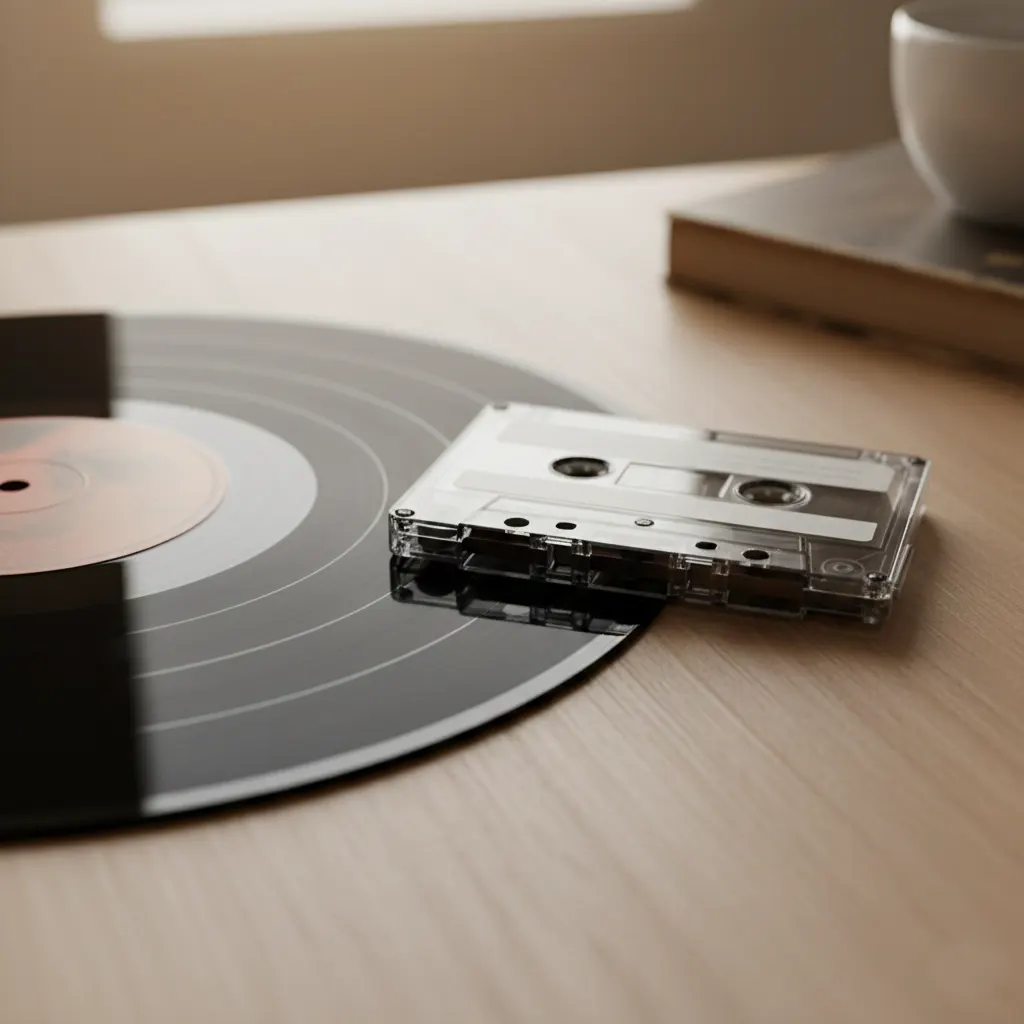
Cassettes, once considered obsolete, have returned as affordable, tactile artifacts—often bundled with limited-edition merch drops.
The Rise of the “Dumb Phone” Weekend
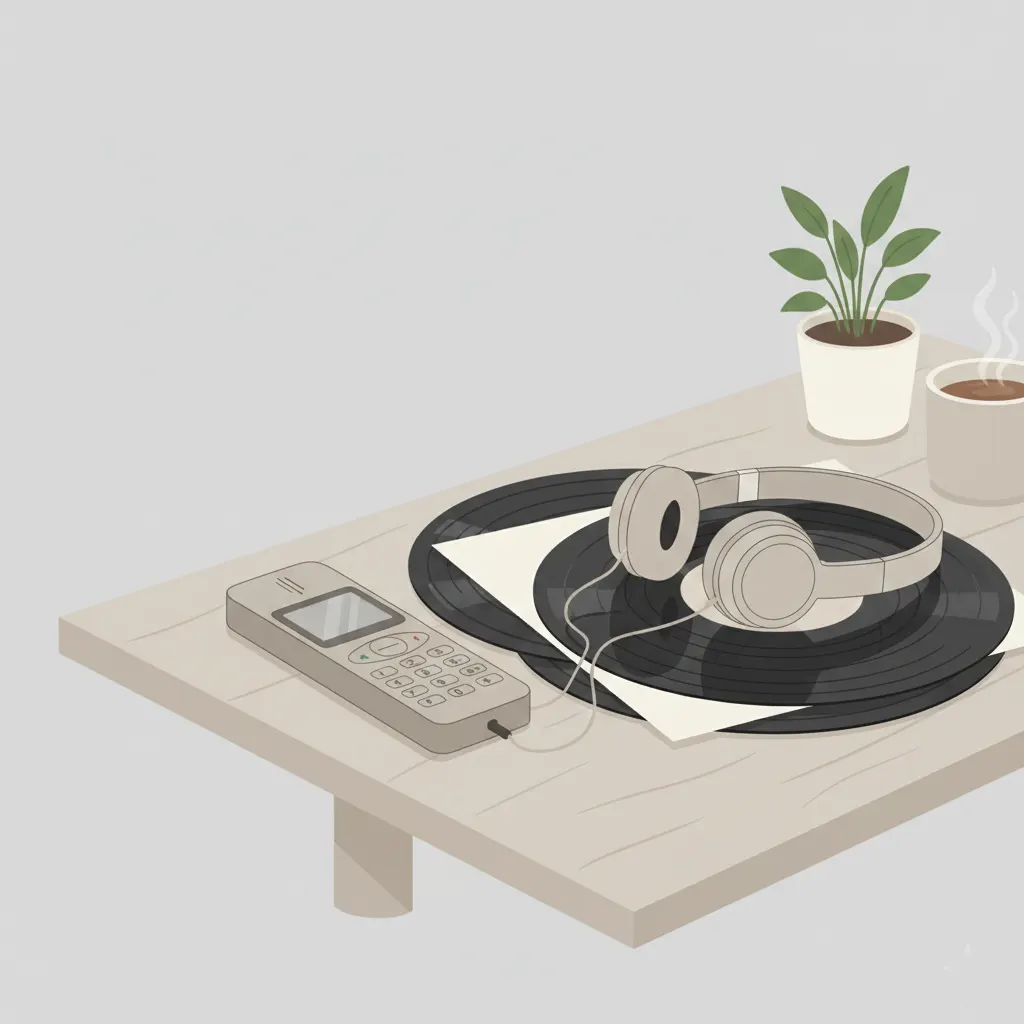
Perhaps the most surprising trend is the renewed interest in so-called dumb phones—devices with calling and texting, but little else.
Models inspired by early Nokia designs and minimalist devices are selling out during pop-up events and online drops.
For Gen Z, the appeal isn’t technological—it’s psychological:
- Escaping constant notifications
- Reducing social media anxiety
- Reclaiming time and focus
This aligns with broader conversations around digital wellbeing and attention economics.
Analogue as Anti-Algorithm
The analogue revival is, at its core, a rebellion against algorithms.
Streaming platforms decide what millions hear next. Physical media puts that power back in the listener’s hands.
Putting on a record requires commitment. Flipping a cassette forces you to stay present. These small inconveniences are precisely the point.
Why This Moment Is Different from Past Retro Trends
This isn’t just a vintage aesthetic cycle.
Unlike earlier nostalgia waves, today’s analogue revival is driven by:
- Burnout from always-on digital life
- Economic uncertainty pushing people toward tangible value
- A desire for slower, more intentional consumption
Analysts note that younger consumers increasingly value experiences and objects that feel “real” in contrast to endlessly replicated digital content.
Music, Identity, and Owning Something Real
For Gen Z, music has always been tied to identity. Physical formats make that identity visible.
A vinyl collection says something about taste. A cassette shared with a friend feels personal. Even the imperfections—tape hiss, record pops—add character.
In a world of perfect digital sound, imperfection has become desirable.
What Comes Next?
The analogue revival doesn’t mean streaming is disappearing. Spotify and Apple Music remain dominant.
But the cultural center is shifting.
Physical media is no longer a niche—it’s a parallel lane. One where ownership, presence, and intention matter more than convenience.
In 2026, analogue isn’t about the past. It’s about control.
Gen Z isn’t abandoning technology—they’re renegotiating their relationship with it.
Vinyl, cassettes, and dumb phones represent a desire to slow down, feel more, and consume less—but better.
And this weekend, while playlists update silently in the background, a growing generation is choosing to drop the needle instead.
#AnalogueRevival #VinylRecords #GenZCulture #CassetteTapes #DigitalDetox #MusicCulture #LifestyleTrends