

 By Vinod Ram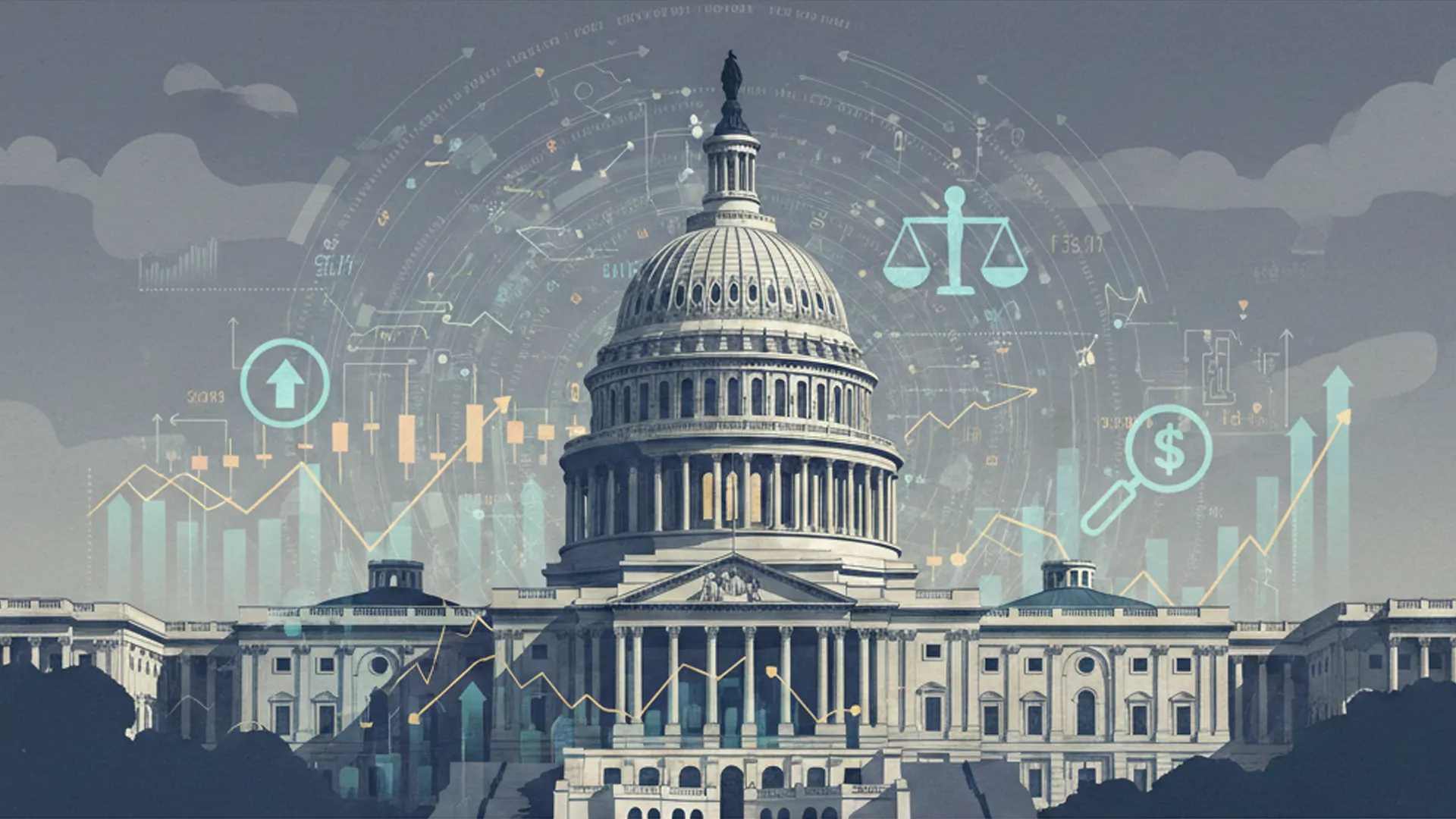
A long-running Wall Street obsession may be coming to an end. The proposed Restore Trust in Congress Act aims to ban members of Congress and their immediate families from trading individual stocks—a move that could reshape market transparency and eliminate the controversial practice of “copy-trading” politicians’ portfolios.
For retail investors, hedge funds, and financial influencers who closely monitor congressional trades, this legislation could fundamentally change how political risk is priced into the stock market.
What Is the Restore Trust in Congress Act?
The Restore Trust in Congress Act is bipartisan legislation designed to prohibit U.S. lawmakers from owning or trading individual stocks while in office. Instead, members would be required to divest existing holdings and limit investments to broadly diversified assets such as mutual funds or ETFs.
According to information released by the bill’s sponsors, the goal is to reduce conflicts of interest and restore public confidence in financial markets and democratic institutions.
This proposal goes significantly further than the existing STOCK Act, which requires trade disclosures but does not prevent lawmakers from trading.
Why Congressional Stock Trading Matters to Markets
Members of Congress often have access to sensitive information about:
- Upcoming regulations
- Defense and infrastructure spending
- Healthcare and pharmaceutical policy
- Technology and antitrust enforcement
When lawmakers trade stocks in industries they regulate, it raises concerns about informational advantages and whether markets are truly fair.
Investigations and reporting by outlets such as Reuters have highlighted repeated cases where congressional trades appeared closely timed with policy developments—fueling public skepticism and investor scrutiny.
Will Market Transparency Improve?
1. Fewer Conflicts, Clearer Signals
If the Act becomes law, investors would no longer need to interpret lawmakers’ stock disclosures as potential market signals. That could reduce speculation-driven trading and increase confidence that policy decisions are not influenced by personal financial incentives.
Supporters argue this would strengthen trust in U.S. capital markets, particularly among long-term institutional investors.
2. Stronger Ethical Standards
Organizations focused on ethics and governance, including the Brennan Center for Justice, have long argued that current rules are insufficient. A full ban would align Congress more closely with restrictions already imposed on judges and senior regulators.
Is “Copy-Trading” Politicians Officially Over?
In recent years, a niche investing strategy has gained popularity: tracking and mimicking congressional stock trades using public disclosures. Some investors believe lawmakers’ portfolios offer insight into future policy-driven market moves.
Platforms and datasets that track these disclosures exist largely because trades are still legal under current law.

What Happens If the Ban Passes?
- Lawmakers would no longer generate stock trades to follow
- Disclosure-based trading strategies would lose relevance
- Only broad market exposure (ETFs, index funds) would remain
In practical terms, the informational edge copy-traders seek would disappear. While historical data would remain, future signals would dry up.
This could push retail investors back toward fundamentals, earnings, and macroeconomic indicators—rather than political trade tracking.
Potential Market Impact: What Investors Should Watch
Short-Term Adjustments
If lawmakers are required to divest individual stocks, certain sectors could see modest short-term selling pressure. However, analysts note that the overall market impact is likely limited due to the relatively small size of congressional portfolios compared to total market capitalization.
Long-Term Confidence Boost
Over time, clearer ethical boundaries could support higher investor confidence—particularly in sectors heavily influenced by regulation, such as technology, healthcare, and defense.
For global investors evaluating U.S. markets, improved governance standards may reinforce America’s reputation for transparent capital markets.
The Restore Trust in Congress Act is less about market mechanics and more about trust. While it may not directly move stock prices overnight, it could quietly reshape how political risk is perceived and priced.
For investors who relied on tracking politicians’ trades, the strategy may soon be obsolete. For everyone else, the change could mean a market that feels slightly fairer—and less influenced by privileged access.
In the long run, that kind of trust can be just as valuable as alpha.
#StockMarket #Investing #MarketTransparency #Congress #FinancialNews #WallStreet #EthicalInvesting