

 By Vinod Ram
Artificial intelligence is advancing at record speed. Behind the scenes, however, a quieter race is unfolding. It is not just about algorithms. It is about electricity.
As AI systems grow larger and more powerful, major technology companies are making a surprising move. They are investing directly in nuclear energy. This shift is driving what many analysts now call a new nuclear renaissance in the United States.
Why AI Needs So Much Power
Modern AI models rely on massive data centers. These facilities run thousands of specialized chips around the clock. Training a single large AI model can consume as much electricity as a small city.
According to research cited by the International Energy Agency, global data center power demand is rising sharply due to AI workloads. Cooling systems alone require enormous energy.
Unlike traditional software, AI does not scale cheaply. More intelligence requires more computation. More computation requires more power.
Why Renewable Energy Alone Is Not Enough
Many tech companies already invest heavily in wind and solar. Those sources help reduce carbon emissions. They do not always provide reliability.
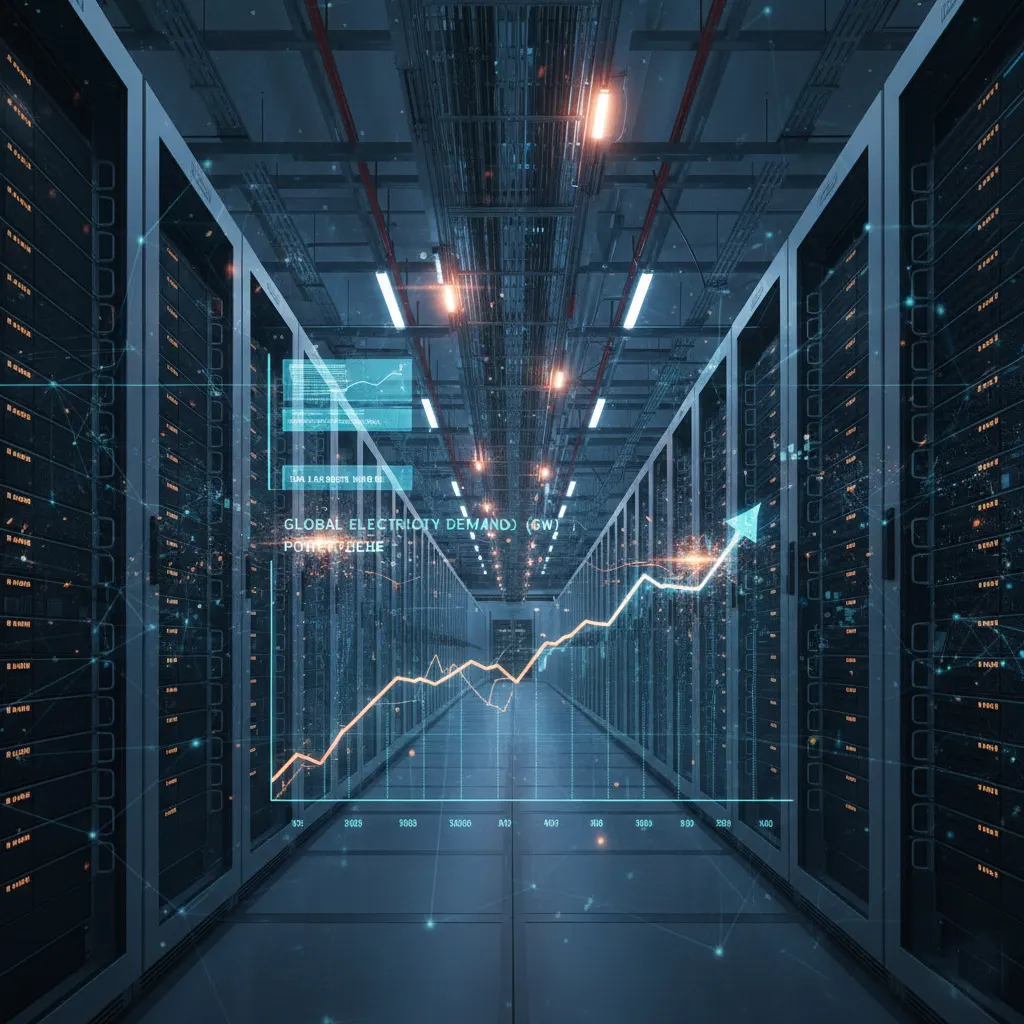
AI data centers operate 24 hours a day. They cannot pause when the sun sets or the wind stops.
Energy experts writing for Bloomberg note that intermittent renewables struggle to meet constant, high-load demand without large-scale storage. That gap pushes companies toward baseload power.
Why Nuclear Power Fits the AI Era
Nuclear energy provides steady, carbon-free electricity. It operates continuously for months without interruption. For AI developers, that reliability is critical.
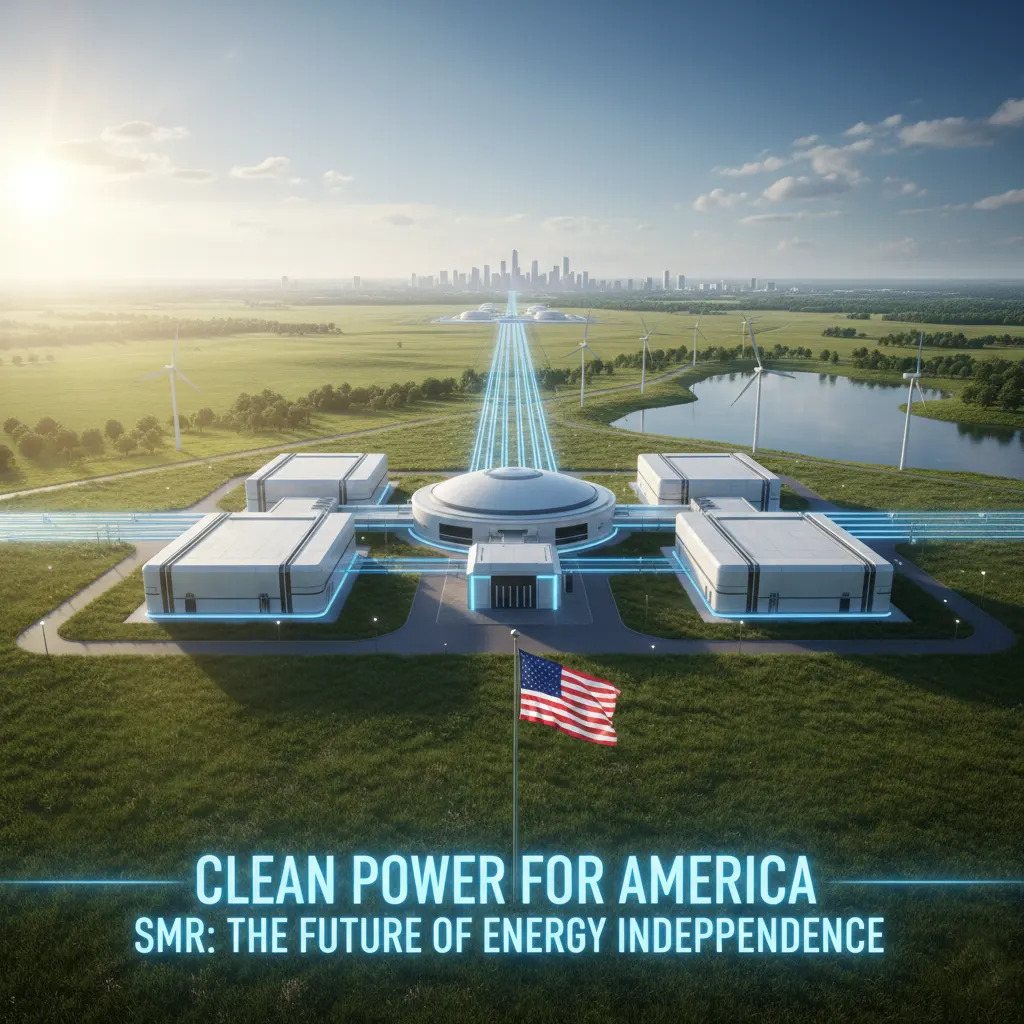
New designs, especially small modular reactors (SMRs), promise faster construction and lower upfront costs. These reactors can be placed closer to data centers.
For tech giants, nuclear power reduces dependence on fragile grids. It also protects long-term AI expansion plans.
Silicon Valley Is Driving the Nuclear Renaissance
Unlike past nuclear booms, this revival is not led by utilities or governments. It is led by private technology companies.
Firms tied to cloud computing and AI are signing long-term power agreements. Some are funding reactor development directly. Others are partnering with nuclear startups.
Analysts at CNBC report that AI-driven energy demand is reshaping how corporations think about infrastructure. Electricity is now a strategic asset.
The Strategic Stakes for the United States
AI leadership is now a national priority. Energy limits can slow innovation. They can also weaken global competitiveness.
Officials referenced by the Center for a New American Security argue that energy security and AI leadership are now linked. Whoever powers AI at scale gains economic and strategic advantages.
This connection explains why federal regulators are warming to nuclear projects tied to data centers. The incentives align.
Risks and Public Concerns
Nuclear energy still faces opposition. Concerns include safety, waste storage, and cost overruns. Public trust remains fragile.
Environmental groups cited by the Natural Resources Defense Council warn that nuclear expansion must not sideline renewable investment.
Tech companies counter that AI growth leaves few alternatives. Without nuclear, power shortages could stall progress.
What Comes Next
The nuclear AI race is just beginning. Expect more partnerships between tech firms and energy providers. Expect faster licensing for advanced reactors.
Most importantly, expect energy debates to become central to AI policy. The future of intelligence depends on infrastructure.
AI does not live in the cloud. It lives in data centers that consume vast amounts of power.
By turning to nuclear energy, Silicon Valley is making a long-term bet. Not just on cleaner electricity. But on control, speed, and dominance in the AI era.
The nuclear renaissance is no longer about lights and factories. It is about machines that think.
#NuclearAI #TechAndEnergy #CleanPower #FutureOfAI #EnergyTransition