

 By Vinod Ram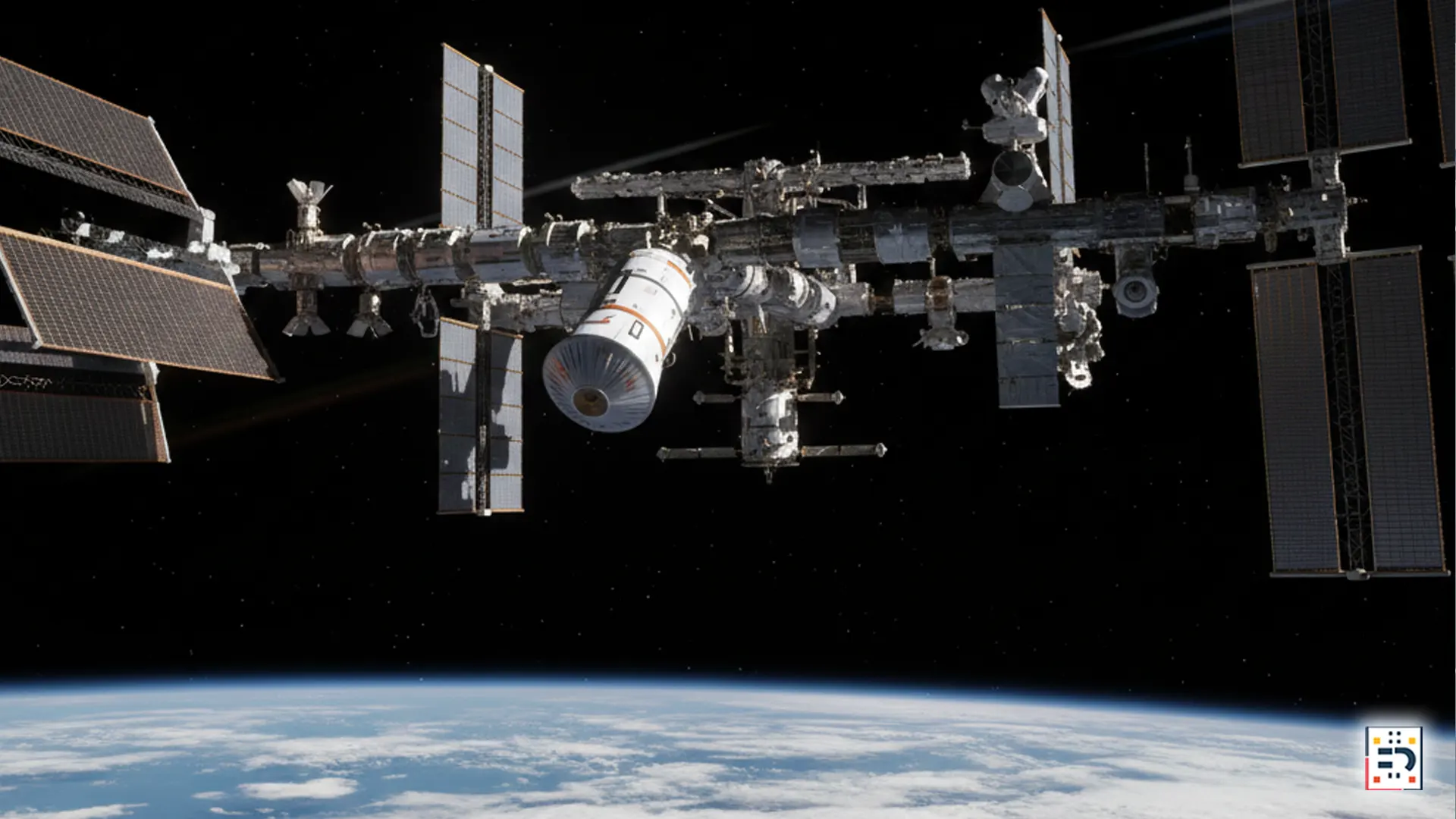
NASA has made an unprecedented call in human spaceflight. The agency will bring Crew-11 back to Earth nearly four weeks ahead of schedule, marking what officials describe as the first true space medical evacuation.
As a result, the decision has sparked intense global attention. It raises urgent questions about astronaut health, emergency readiness aboard the International Space Station (ISS), and how space agencies respond when medical risks outweigh mission timelines.
Why NASA Is Bringing Crew-11 Home Early
According to official NASA statements, a medical concern affecting one crew member prompted the early return. Although NASA has not disclosed specific details, the agency emphasized that it acted out of caution rather than crisis.
Importantly, NASA confirmed that:
- The affected astronaut remains stable
- The crew faces no immediate danger
- Early return allows access to full Earth-based medical care
Therefore, NASA chose to shorten the mission rather than accept elevated long-term risk.
Why This Counts as the First Space Medical Evac
Unlike emergencies on Earth, astronauts cannot evacuate instantly from orbit. Instead, orbital mechanics, spacecraft readiness, and landing conditions strictly govern return opportunities.
However, analysts cited by Reuters note that NASA fundamentally altered the mission timeline to address a medical issue. As a result, experts widely consider this decision the first operational medical evacuation in spaceflight history.
Specifically, this moment stands out because:
- NASA modified a mission mid-flight for health reasons
- Medical judgment overruled scientific objectives
- No spacecraft malfunction forced the return
Consequently, astronaut health now holds clear priority over mission completion.
How NASA Manages Medical Risk in Space
Astronauts undergo years of rigorous medical screening. Nevertheless, microgravity introduces unique stresses that cannot be fully replicated on Earth.
For example, spaceflight affects bone density, vision, cardiovascular function, and immune response. Because of this, NASA continuously monitors crew health through its Human Research Program.
NASA relies on:
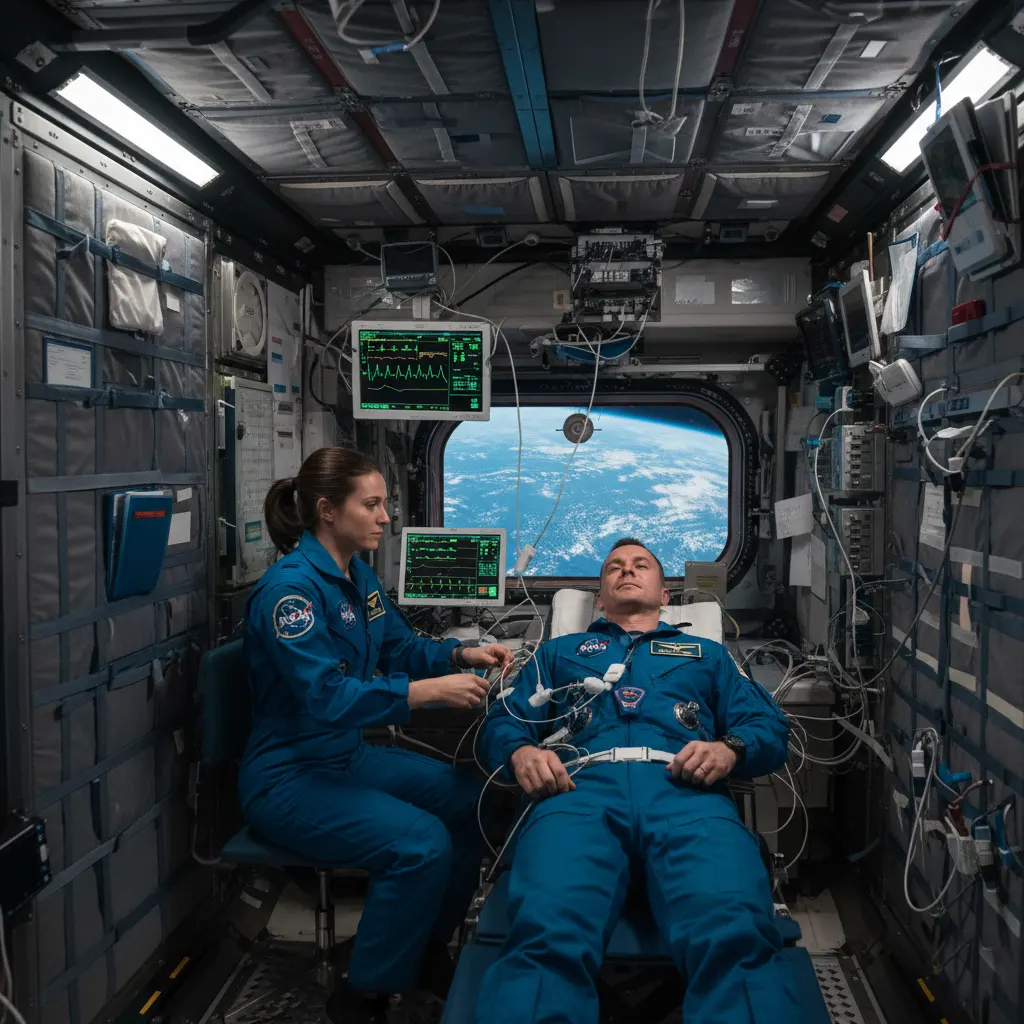
- Telemedicine consultations with flight surgeons
- Advanced onboard medical kits
- Real-time health data transmitted to Earth
Until now, these safeguards allowed missions to continue without early termination. Crew-11’s return, however, shows NASA is willing to redraw that line.
What the Early Return Means for Crew-11’s Mission
Crew-11 planned to conduct scientific research, perform station maintenance, and support technology demonstrations. Nevertheless, NASA places crew safety above all operational goals.
As a result, mission planners will shift incomplete experiments to future ISS crews. Meanwhile, NASA expects minimal long-term disruption to station operations.
In other words, science can wait — health cannot.

Implications for Future Moon and Mars Missions
This event carries serious implications for deep-space exploration. NASA and its international partners plan missions that will travel far beyond low Earth orbit, where rapid return is impossible.
According to the National Academies of Sciences, long-duration missions demand far greater medical autonomy.
Therefore, Crew-11’s early return highlights:
- The limits of current space medical care
- The value of rapid return capability
- The urgency of advanced in-space treatment systems
Ultimately, what works in Earth orbit may not suffice for Mars.
Balancing Transparency and Privacy
NASA deliberately limited the medical details it shared publicly. While the public demands transparency, the agency also must protect astronaut privacy.
As Scientific American explains, public trust in spaceflight depends on both honesty and ethical restraint.
By communicating the decision clearly — without revealing private medical data — NASA aimed to maintain that balance.
Crew-11’s early return marks a turning point in human spaceflight. NASA demonstrated that even routine missions carry unpredictable risks — and that astronaut well-being comes first.
As NASA prepares for longer and riskier journeys, this decision sets a clear precedent: when health is on the line, mission schedules will adapt.
#NASA #SpaceMedicalEvac #Crew11 #ISS #Astronauts #SpaceExploration #ScienceNews #HumanSpaceflight