

 By Vinod Ram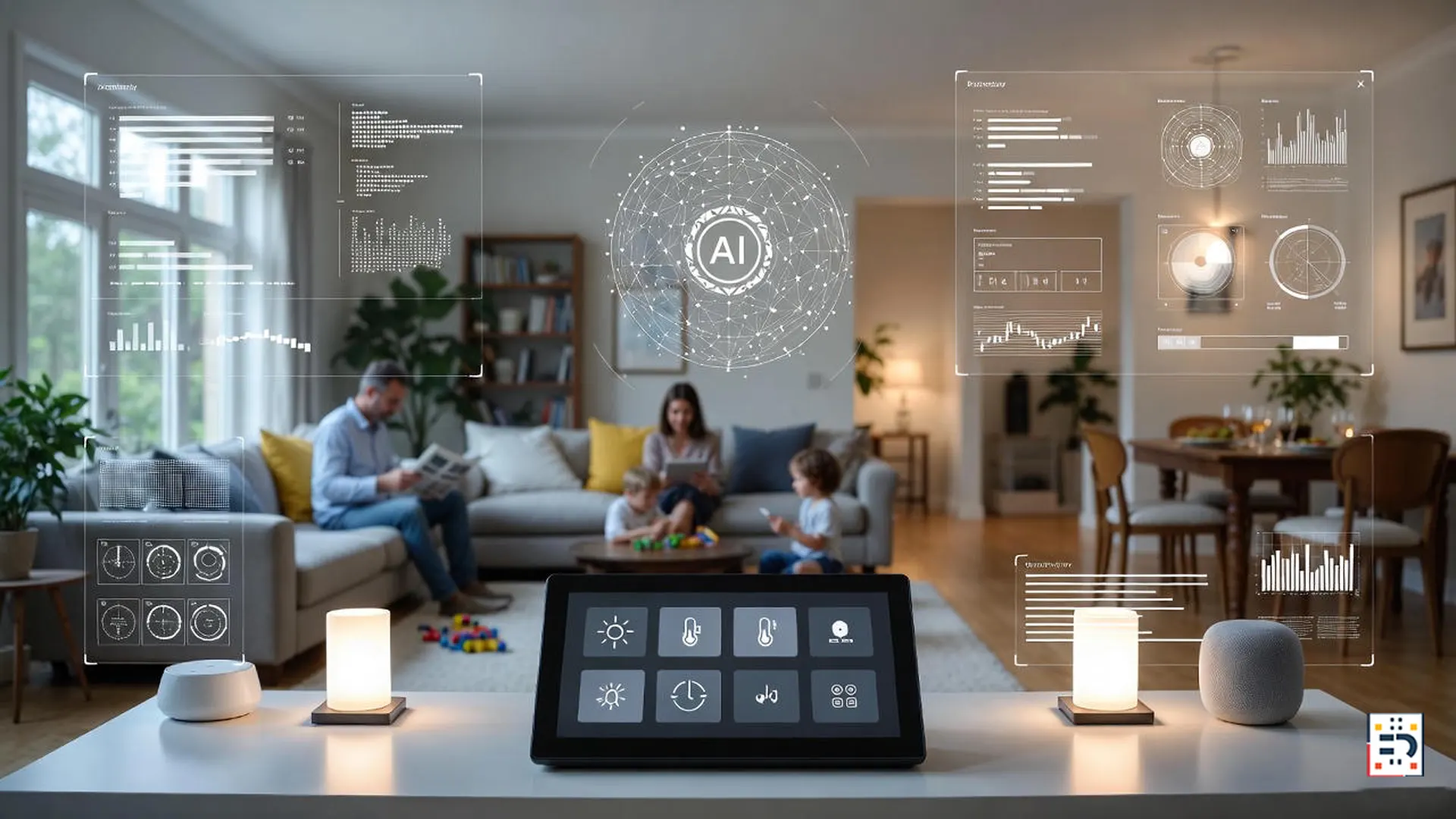
Artificial intelligence is no longer a futuristic promise—it’s a daily presence. By 2025, AI has quietly moved from flashy demos and marketing buzzwords into the background of everyday life, reshaping how households operate, spend, and make decisions.
From smart assistants that actually understand context to AI-powered appliances that save time and money, the modern home is becoming a test case for practical, utility-driven artificial intelligence.
How AI Moved From Novelty to Necessity
Early consumer AI focused on voice commands and automation gimmicks. In contrast, today’s systems emphasize problem-solving and efficiency. According to research published by McKinsey, the most successful household AI tools are those that remove friction rather than add complexity.
In 2025, consumers care less about whether a device is “AI-powered” and more about whether it:
- Saves time
- Reduces energy or grocery costs
- Simplifies planning and decision-making
Smart Assistants Finally Got Smarter
Home assistants have evolved far beyond timers and trivia. Platforms like Amazon Alexa, Google Assistant, and Apple Siri now leverage large language models to handle multi-step requests and personalized routines.
Examples of real utility include:
- Managing household schedules across multiple family members
- Context-aware reminders tied to location or behavior
- Proactive alerts for maintenance, bills, and renewals
The result is less micromanagement—and fewer forgotten tasks.
AI in the Kitchen, Laundry, and Utility Bills
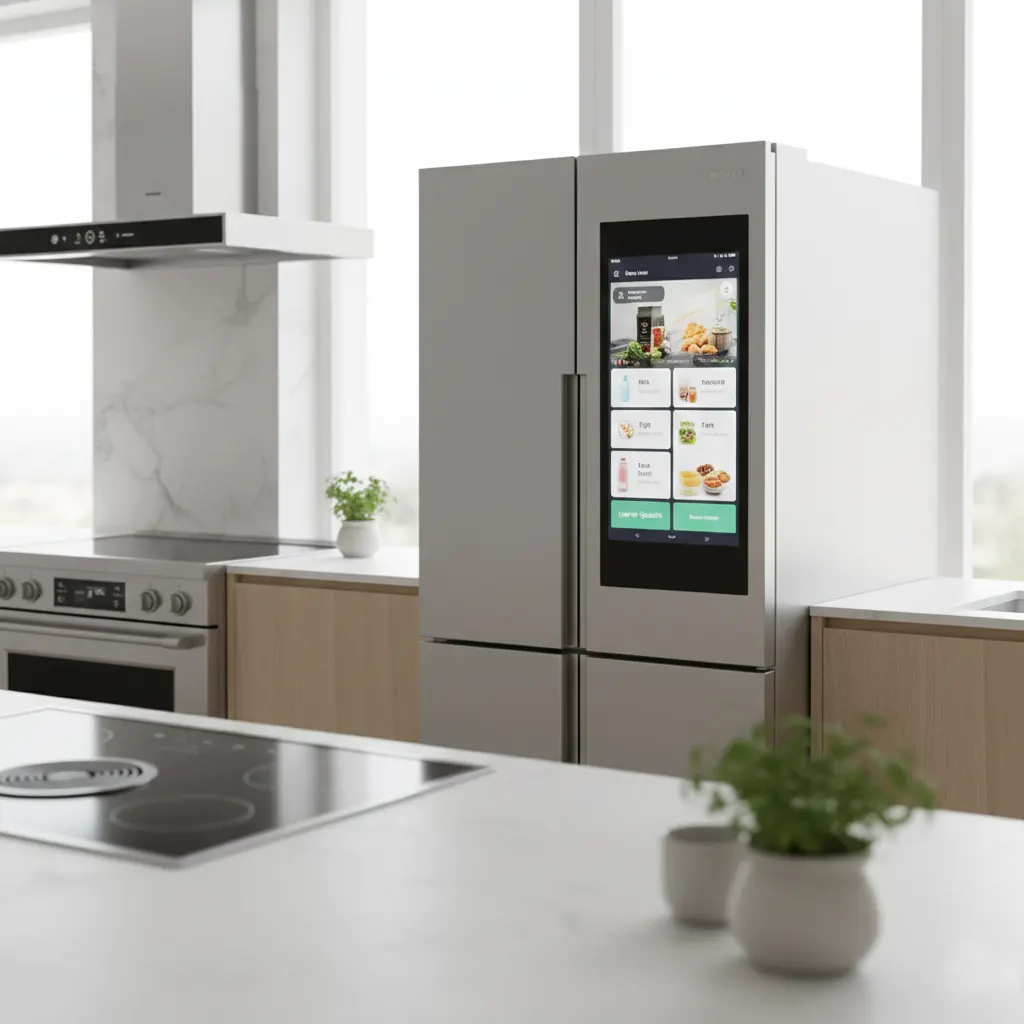
One of the biggest shifts in 2025 is how deeply AI has integrated into household appliances. Companies like Samsung and LG now ship appliances that actively learn user habits.
Real-world applications include:
- Refrigerators tracking food usage and reducing waste
- Washers adjusting cycles based on fabric and load history
- Thermostats optimizing energy use based on occupancy
According to U.S. Department of Energy data, AI-driven energy optimization can reduce household utility costs by double-digit percentages over time.
AI-Powered Personal Finance at Home
Household AI is also reshaping how families manage money. Budgeting apps and banking tools increasingly rely on AI to detect spending patterns, forecast bills, and flag unusual activity.
Platforms highlighted by Forbes Technology now offer:
- Automated savings recommendations
- Subscription monitoring and cancellation alerts
- Predictive cash-flow insights
Instead of reacting to financial stress, households are gaining tools to anticipate it.

Security, Privacy, and the Trade-Offs
As AI becomes embedded in everyday life, concerns around data and privacy have grown. Smart cameras, doorbells, and monitoring systems collect vast amounts of information.
Consumer advocates and regulators—including guidance from the Federal Trade Commission—stress the importance of transparency, local processing, and clear opt-out options.
In 2025, the most trusted household AI systems are those that:
- Limit unnecessary cloud data storage
- Offer clear user controls
- Explain how decisions are made
Why Practical AI Matters More Than Flashy AI
The defining feature of household AI in 2025 isn’t intelligence—it’s restraint. The best systems fade into the background, quietly optimizing daily life without constant interaction.
As noted by analysts at The Verge, consumer adoption accelerates when AI reduces friction rather than demands attention.
That shift—from spectacle to service—marks the true maturation of AI in the home.
In 2025, AI’s real success isn’t measured in novelty—but in usefulness. The most valuable household technologies are those that save time, reduce stress, and quietly improve daily routines.
Beyond the hype, AI has finally found its place: not as a replacement for human decision-making, but as a dependable partner in everyday life.
#ArtificialIntelligence #SmartHome #AI2025 #TechTrends #ConsumerTech #FutureOfLiving