

 By Vinod Ram
Few athletes redefine greatness late in their careers. Fewer still do it in a format designed for the young, the fast, and the fearless. In winning the World Blitz Chess Championship, Magnus Carlsen delivered what many are calling a “comeback for the ages”—one that could reshape competitive chess heading into 2026.
This victory wasn’t just another title. It was a statement about longevity, adaptability, and the evolving identity of modern chess.
A Victory That Defied the Narrative
For years, the dominant storyline around Carlsen was not decline—but disengagement. After stepping away from defending his classical World Championship title, many believed his era of defining moments was winding down.
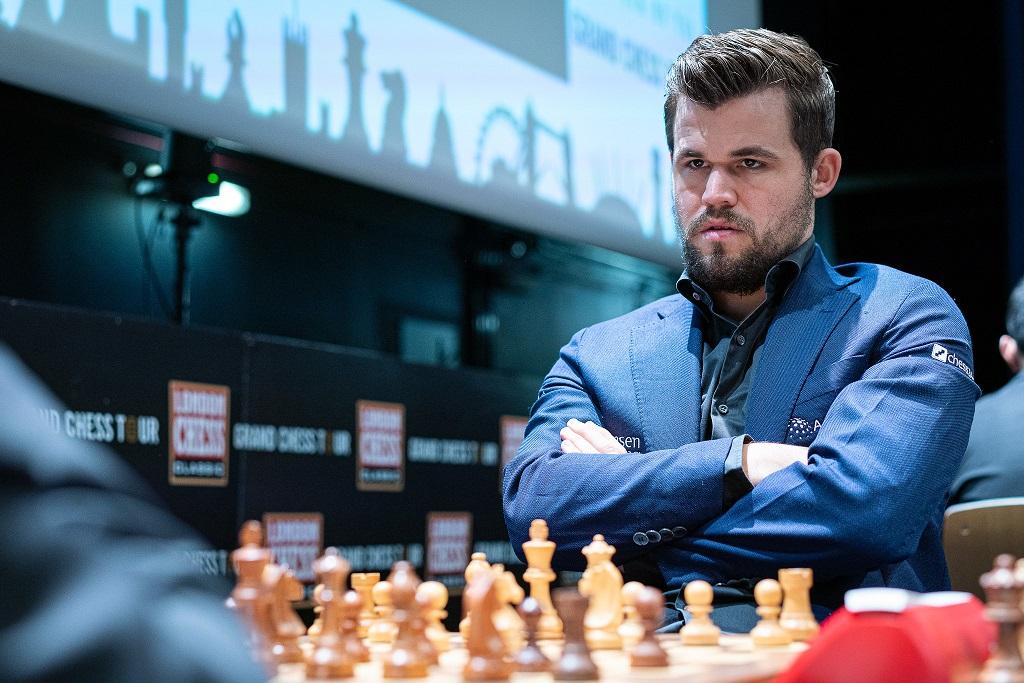
Yet at the World Blitz Championship, Carlsen proved that speed chess remains his natural domain. As noted by FIDE, blitz chess rewards instinct, pattern recognition, and psychological pressure—areas where Carlsen remains peerless.
Against a field packed with younger grandmasters raised on online blitz warfare, Carlsen’s experience prevailed.
Why Blitz Chess Matters More Than Ever
Once considered a novelty, blitz chess has become central to the sport’s growth. Platforms like Chess.com and Lichess have turned fast time controls into the most-watched and most-played formats globally.
Carlsen’s victory reinforces a crucial reality:
- Blitz chess drives digital engagement
- It appeals to younger and casual audiences
- It thrives on streaming and short-form content
In many ways, blitz is now chess’s cultural engine—and Carlsen remains its most recognizable face.
What the Win Signals About Carlsen’s Future
Rather than signaling a return to traditional world championship cycles, Carlsen’s blitz triumph suggests a different path forward. Coverage from ChessBase highlights how Carlsen increasingly prioritizes formats that align with modern audiences and personal motivation.
That future may include:
- Selective elite tournaments
- Speed chess championships
- High-profile online and hybrid events
- Expanded media and ambassador roles
Carlsen no longer needs to chase legacy—he curates it.

The Impact on the Next Generation of Players
For emerging grandmasters, Carlsen’s win sends a powerful message: longevity in chess is evolving. The idea that dominance belongs only to youth no longer holds.
As reported by The Guardian Chess, today’s elite players study not only openings and engines, but also time management, psychology, and stamina across formats.
Carlsen’s success reinforces the value of:
- Universal skill across time controls
- Mental resilience under pressure
- Adapting to digital-first competition
Why This Matters for Chess in 2026
Heading into 2026, chess stands at a crossroads. It is more visible, more commercial, and more competitive than ever. Carlsen’s blitz victory strengthens several key trends:
- Speed formats as flagship events
- Star-driven viewership and sponsorship
- Blending online and over-the-board competition
According to analysis from Forbes Sports, elite chess personalities now function as global brands—driving media rights, platforms, and youth participation.
Carlsen’s continued relevance ensures chess enters 2026 with a recognizable figurehead at its center.
Magnus Carlsen’s World Blitz Championship win was not about reclaiming a throne—it was about redefining relevance. In a chess world increasingly shaped by speed, streaming, and spectacle, Carlsen showed that greatness adapts.
As 2026 approaches, one thing is clear: the future of chess still runs through Magnus Carlsen—just faster than ever.
#MagnusCarlsen #WorldBlitz #Chess2026 #BlitzChess #ChessNews #SportsAnalysis