

 By Vinod Ram
A surprising trend is quietly gaining attention among economists and market strategists: the rise of so-called “cheap thrills” spending. From discount fast food to low-cost entertainment, consumer behavior is shifting — and some experts believe it may be an early recession signal for 2026.
While stock markets continue to hover near record levels, underlying consumer data tells a more nuanced story. Historically, subtle changes in how people spend money have often preceded broader economic slowdowns.
What Are “Cheap Thrills” — and Why Do They Matter?
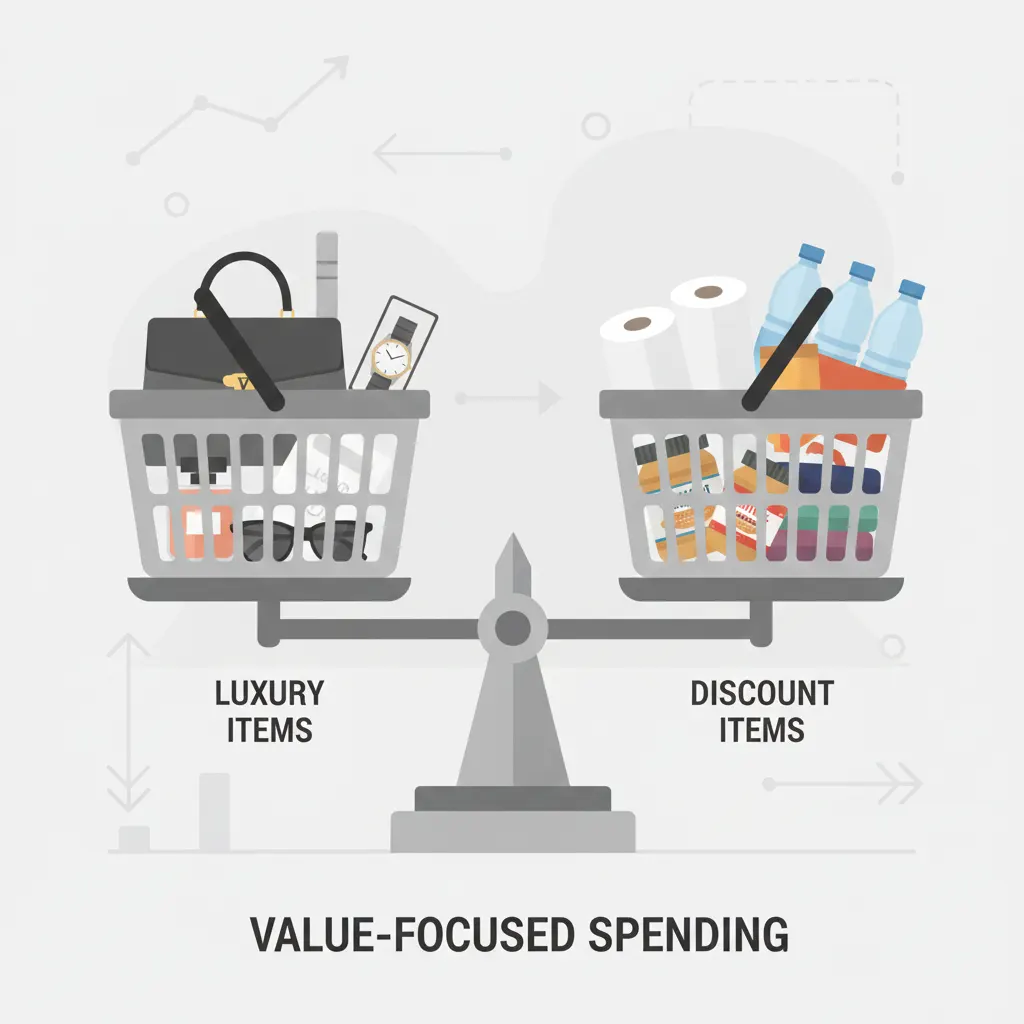
“Cheap thrills” refers to consumer spending patterns that favor low-cost indulgences over big-ticket purchases. Examples include:
- Fast food and value menus
- Streaming subscriptions over travel or luxury experiences
- Discount retailers outperforming premium brands
- Small, frequent purchases replacing major discretionary spending
According to consumer data tracked by U.S. Bureau of Labor Statistics, households tend to trade down quietly before cutting spending outright. This behavioral shift has appeared before nearly every modern recession.
The Historical Link Between Spending Shifts and Recessions
Ahead of the 2001 dot-com downturn and the 2008 financial crisis, analysts observed a similar pattern: consumer confidence weakened first, discretionary spending followed later.
Research from National Bureau of Economic Research (NBER) shows that recessions rarely begin with a dramatic collapse. Instead, they emerge as households quietly prioritize affordability and liquidity.
Today’s rise in value-focused spending may not indicate panic — but it does suggest growing caution.
Why This Matters for the 2026 Economic Outlook
1. Inflation Fatigue Is Changing Behavior
Even as headline inflation has cooled, cumulative price increases over the past few years have reshaped consumer psychology. Many households feel poorer — regardless of wage growth.
This phenomenon, often referred to as inflation fatigue, has been highlighted by Reuters economic analysis as a growing drag on discretionary demand.
2. Credit Dependence Is Rising
Data from the New York Federal Reserve shows increases in credit card balances and delinquency rates. When consumers rely on short-term credit while shifting to cheaper spending options, it often signals financial stress beneath the surface.
3. Markets and Consumers Are Sending Mixed Signals
Equity markets remain optimistic, driven by AI-related earnings growth and expectations of stable monetary policy. Consumers, however, appear far less confident.
This divergence — strong asset prices alongside cautious household behavior — has historically preceded economic slowdowns rather than expansions.
Is a 2026 Recession Inevitable?
Not necessarily. Economic signals are probabilistic, not predictive. The “cheap thrills” trend alone does not guarantee a recession.
However, when combined with:
- Tighter credit conditions
- Elevated interest rates by historical standards
- Slowing global trade
- Rising consumer debt stress
…the pattern becomes harder to ignore.
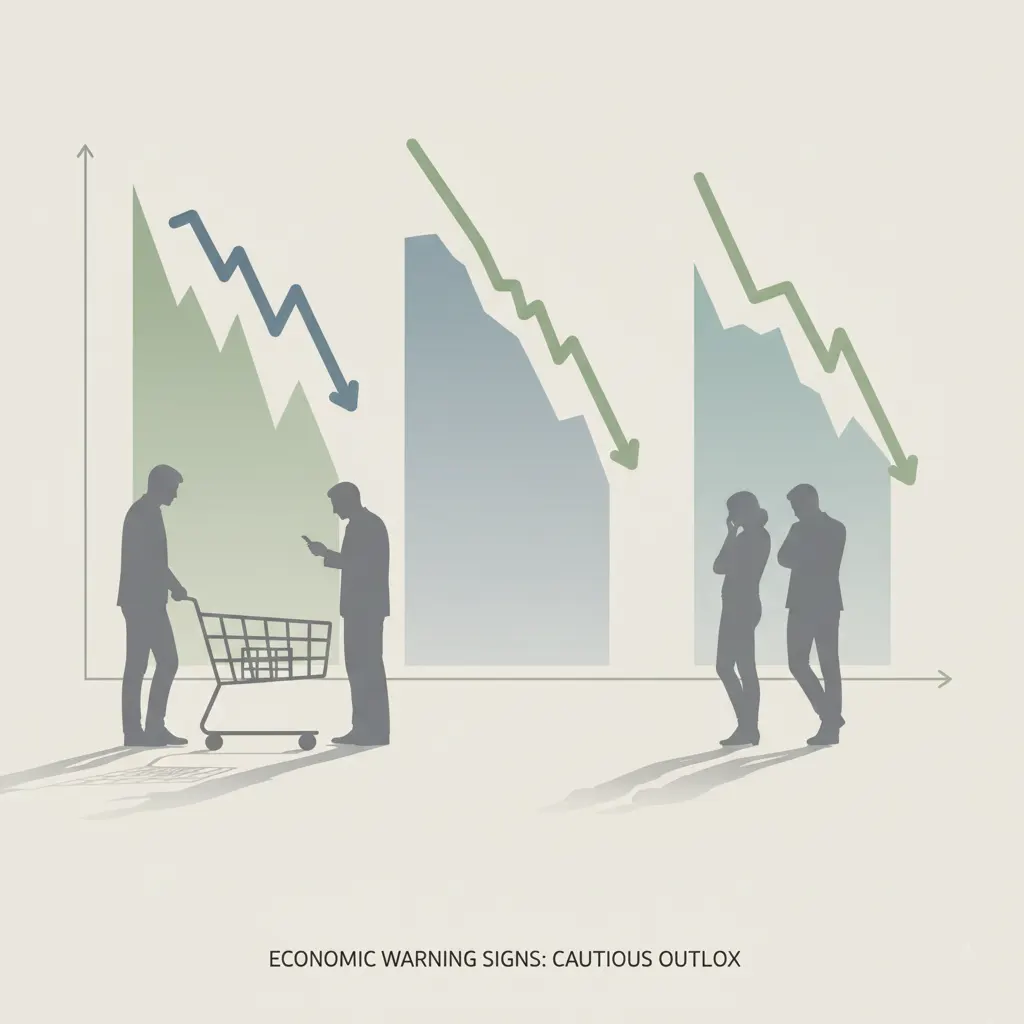
According to Investopedia, recessions are often recognized only in hindsight — but investors who watch behavioral indicators tend to position earlier than the broader market.
What Investors Should Watch Next
For investors planning beyond 2025, consumer behavior may be as important as earnings forecasts.
- Discount retailers vs. premium brands
- Fast food sales vs. casual dining
- Credit card delinquency trends
- Consumer sentiment surveys
These indicators often turn before GDP, employment, or corporate profits do.
The rise of “cheap thrills” may look harmless on the surface — but history suggests it deserves attention. While markets remain optimistic, consumer behavior is quietly signaling caution.
Whether or not a recession arrives in 2026, this shift underscores the importance of risk management, diversification, and realistic expectations in the years ahead.
#Recession #Economy #ConsumerSpending #MarketSignals #EconomicOutlook #FinanceNews #MacroEconomics #Investing #2026Outlook