

 By Vinod Ram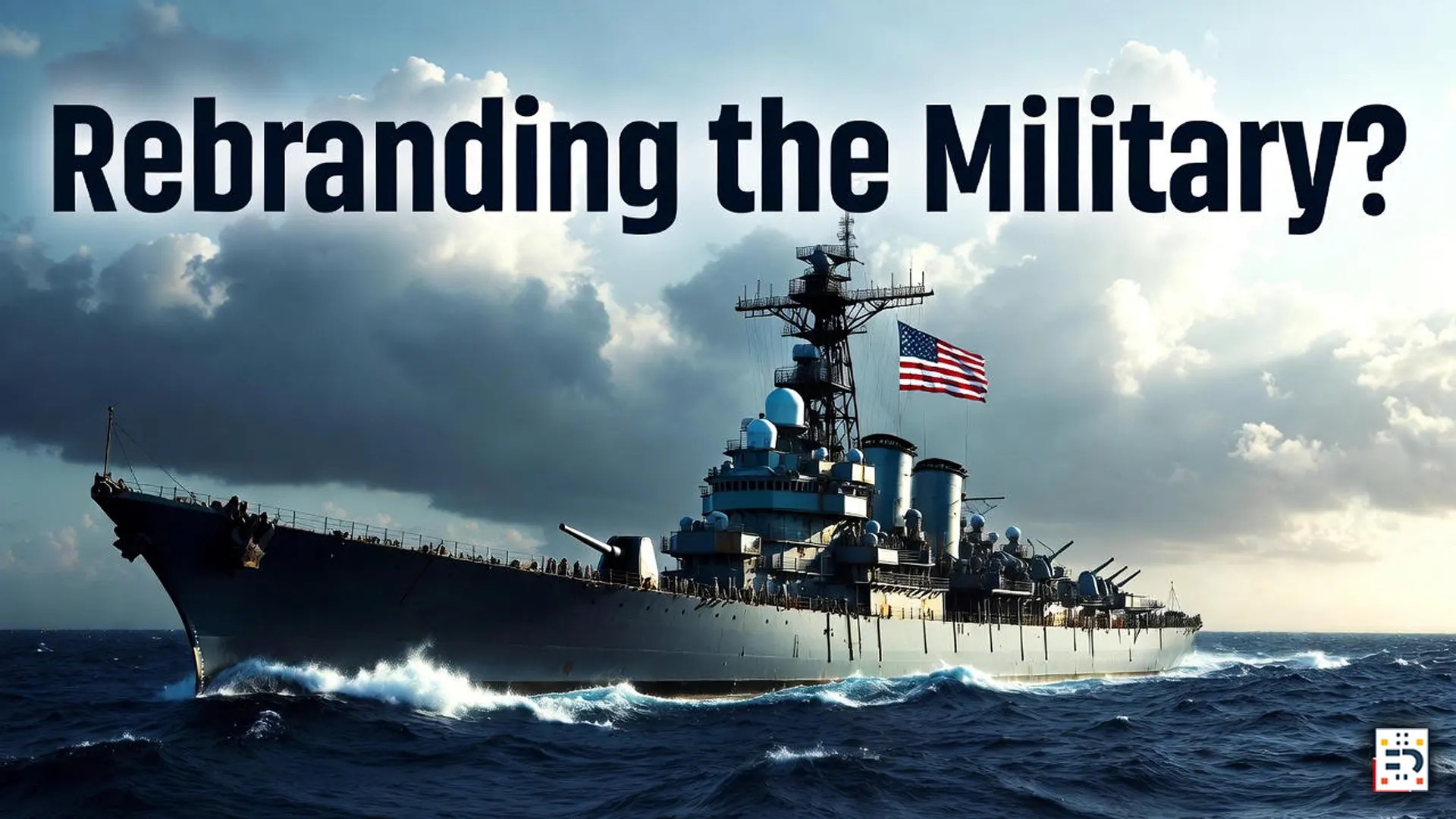
A single ship name has ignited a national debate. In 2025, proposals and public discussions around a so-called “Trump Battleship” have reopened questions about politics, tradition, and branding within the U.S. military.
Supporters frame the idea as recognition of presidential legacy. Critics see it as politicizing an institution designed to remain neutral. As a result, the controversy has moved far beyond naval naming conventions.
How Military Naming Traditionally Works
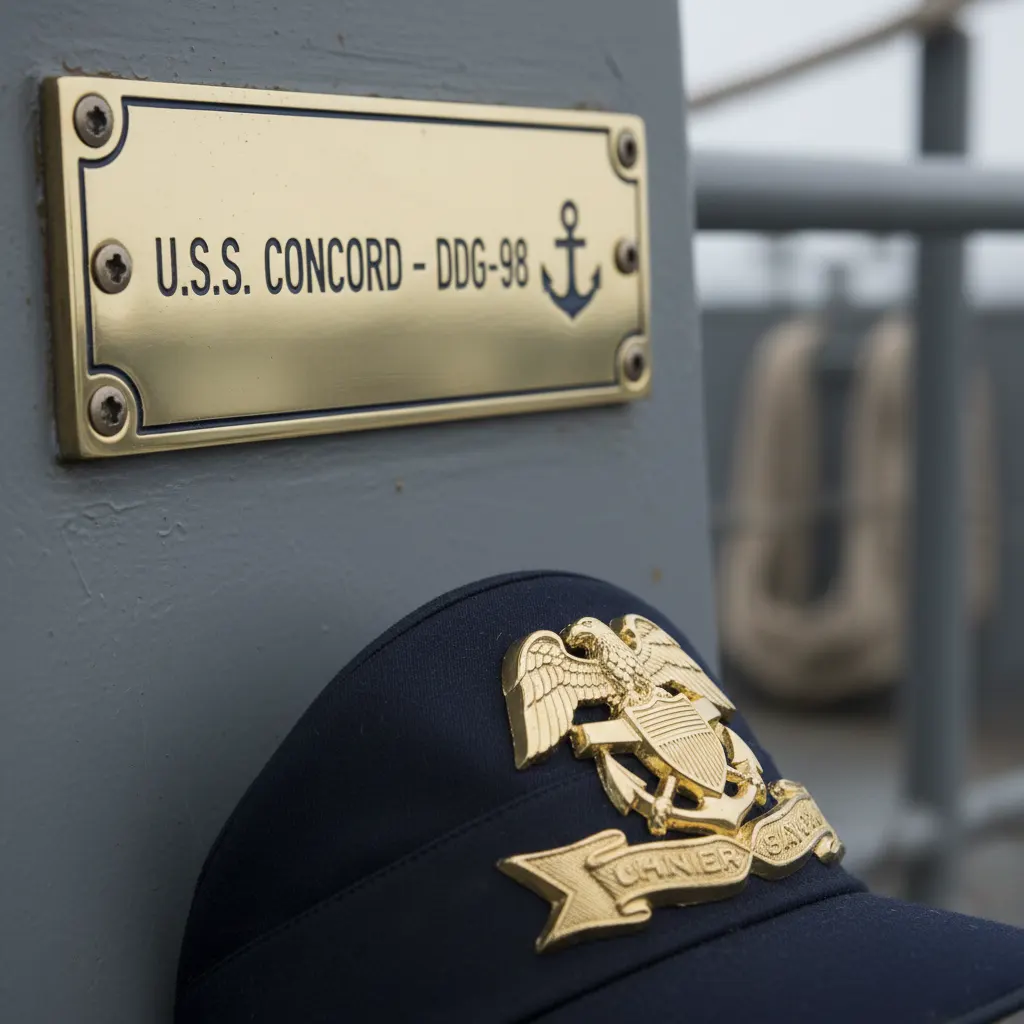
The U.S. Navy follows long-standing naming conventions. Aircraft carriers often honor presidents, while battleships historically referenced states.
According to the Naval History and Heritage Command, these traditions aim to preserve continuity and avoid political signaling.
However, conventions have evolved. Over time, naming decisions increasingly reflect cultural and political moments.
Why the “Trump Battleship” Idea Is Different
Unlike past honorees, Donald Trump remains a polarizing political figure. That fact alone changes the equation.
Naming a major military asset after a living political leader raises concerns about neutrality. Analysts warn it could blur the line between civic recognition and partisan branding.
Defense experts interviewed by Brookings Institution note that symbolism matters in global military signaling. Even symbolic gestures can shape perception abroad.
The Political and Cultural Divide
Supporters argue that several aircraft carriers already bear presidential names. From their view, this proposal follows precedent.
Critics counter that timing matters. In an era of heightened polarization, such a move could deepen mistrust in military impartiality.
According to reporting by The New York Times, public confidence in neutral institutions has already declined. This debate reflects that broader anxiety.
Rebranding the Military in the Social Media Age
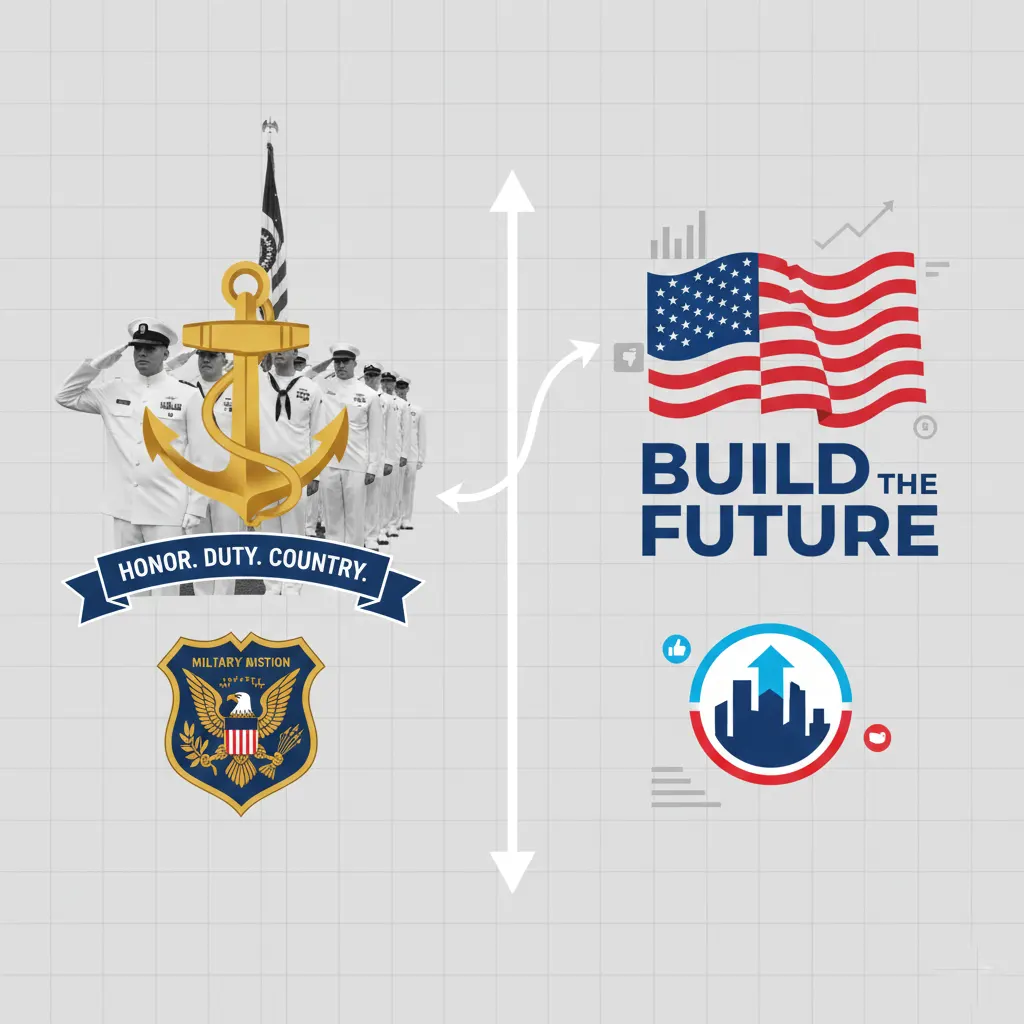
In 2025, branding extends beyond logos and slogans. Military symbols now circulate instantly across social platforms.
As a result, naming decisions shape narratives online. A single phrase can dominate headlines, hashtags, and international commentary.
Researchers studying military culture and public trust warn that perceived politicization can affect recruitment and morale.
What This Means for the Armed Forces
This debate highlights a deeper challenge. The military must modernize without becoming a political symbol.
If naming decisions appear partisan, they risk undermining unity. At the same time, avoiding controversy entirely may prove impossible.
Ultimately, leadership must balance tradition, public perception, and long-term institutional trust.
The “Trump Battleship” debate is not just about a name. It reflects how politics, identity, and symbolism now intersect with national defense.
In 2025, even military traditions face reexamination. How leaders handle this moment may shape public trust for years to come.
#Military #Politics #Defense #Trump #USNavy #NationalSecurity #2025Debate