

 By Vinod Ram
The New England Patriots are officially in rebuild mode—a reality that would have seemed unthinkable during the franchise’s two-decade dynasty. Post–Tom Brady, the Patriots are navigating one of the most closely watched transitions in the NFL.
Some pieces show promise. Others raise serious questions. Here’s a clear look at what’s working, what’s not, and what the Patriots must do next to return to contention.
Why the Patriots Entered a Full Rebuild
After years of sustained success, roster aging, inconsistent quarterback play, and offensive struggles forced New England to reset. The team’s recent seasons have reflected the difficulty of replacing elite quarterback play and redefining an offensive identity.
Analysts at NFL.com have described the Patriots as a franchise caught between maintaining its old philosophy and adapting to a faster, offense-driven league.
What’s Working So Far
1. Defensive Foundation
Despite offensive inconsistency, the Patriots’ defense remains competitive. Strong fundamentals, disciplined schemes, and situational awareness continue to keep games close.
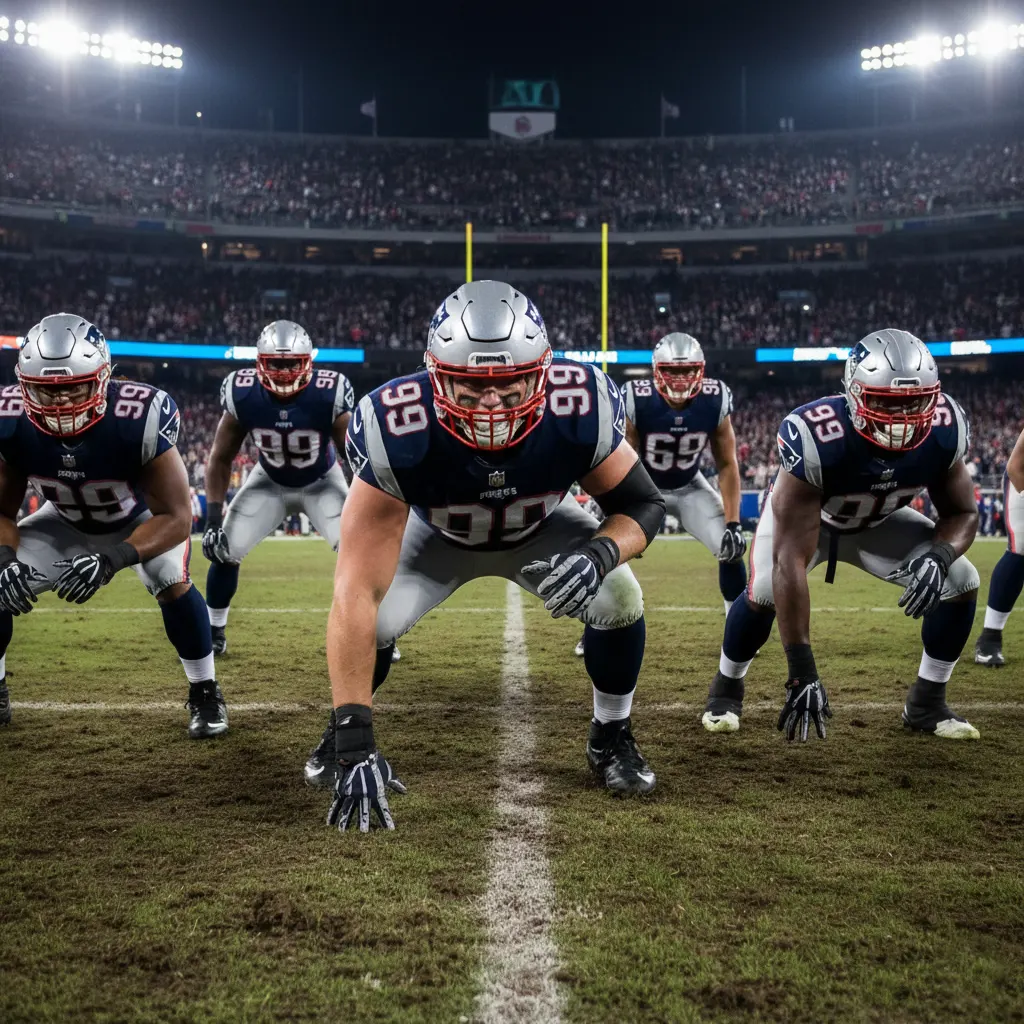
Team defensive metrics tracked by Pro Football Reference show New England consistently ranking better defensively than offensively during the rebuild years.
2. Draft Capital and Roster Flexibility
The Patriots now have greater draft flexibility and cap space than in recent seasons. This provides room to reshape the roster with younger, more explosive talent—especially on offense.
3. Cultural Stability
While much has changed, New England’s emphasis on preparation and accountability remains intact. That continuity matters during a rebuild, especially compared to franchises that reset leadership entirely.
What’s Not Working
1. Offensive Identity Issues
The Patriots have struggled to establish a consistent offensive philosophy. Frequent coordinator changes and limited playmaking talent have stalled development.
Offensive rankings cited by ESPN show the team lagging behind modern NFL offenses built around speed, spacing, and quarterback confidence.
2. Quarterback Uncertainty
No rebuild succeeds without clarity at quarterback. New England’s inability to lock down a long-term solution has slowed progress and limited offensive growth.
Without stability under center, evaluating skill-position players and play-calling becomes far more difficult.
3. Skill Position Talent Gap
Compared to AFC rivals, the Patriots lack top-tier playmakers at wide receiver and tight end. This gap forces near-perfect execution just to stay competitive.
What Comes Next for the Patriots
Prioritizing the Quarterback Position
The next phase of the rebuild hinges on identifying and developing a franchise quarterback—whether through the draft or a strategic acquisition.
League-wide trends analyzed by The Athletic show successful rebuilds accelerate rapidly once the quarterback position is solved.
Modernizing the Offense
The Patriots must commit fully to a modern offensive approach—one that emphasizes creativity, spacing, and player strengths rather than rigid system adherence.
Adding Speed and Playmakers
Future drafts and free agency must focus on speed at the skill positions. Explosive plays are no longer optional in today’s NFL—they’re required.
How Long Will the Rebuild Take?
Rebuild timelines vary, but most NFL teams see meaningful progress within two to three seasons if quarterback development and coaching alignment are successful.
For New England, patience will be tested—but the foundation for a turnaround exists if the next decisions are made correctly.
The Patriots’ rebuild is real—and necessary. While defensive strength and organizational discipline provide stability, offensive uncertainty continues to hold the team back.
What comes next will define the post-dynasty era in New England. The choices made now will determine whether the Patriots return to relevance—or remain stuck in transition.
#Patriots #NFLRebuild #NewEnglandPatriots #AFCEast #NFLAnalysis #FootballNews