

 By Vinod Ram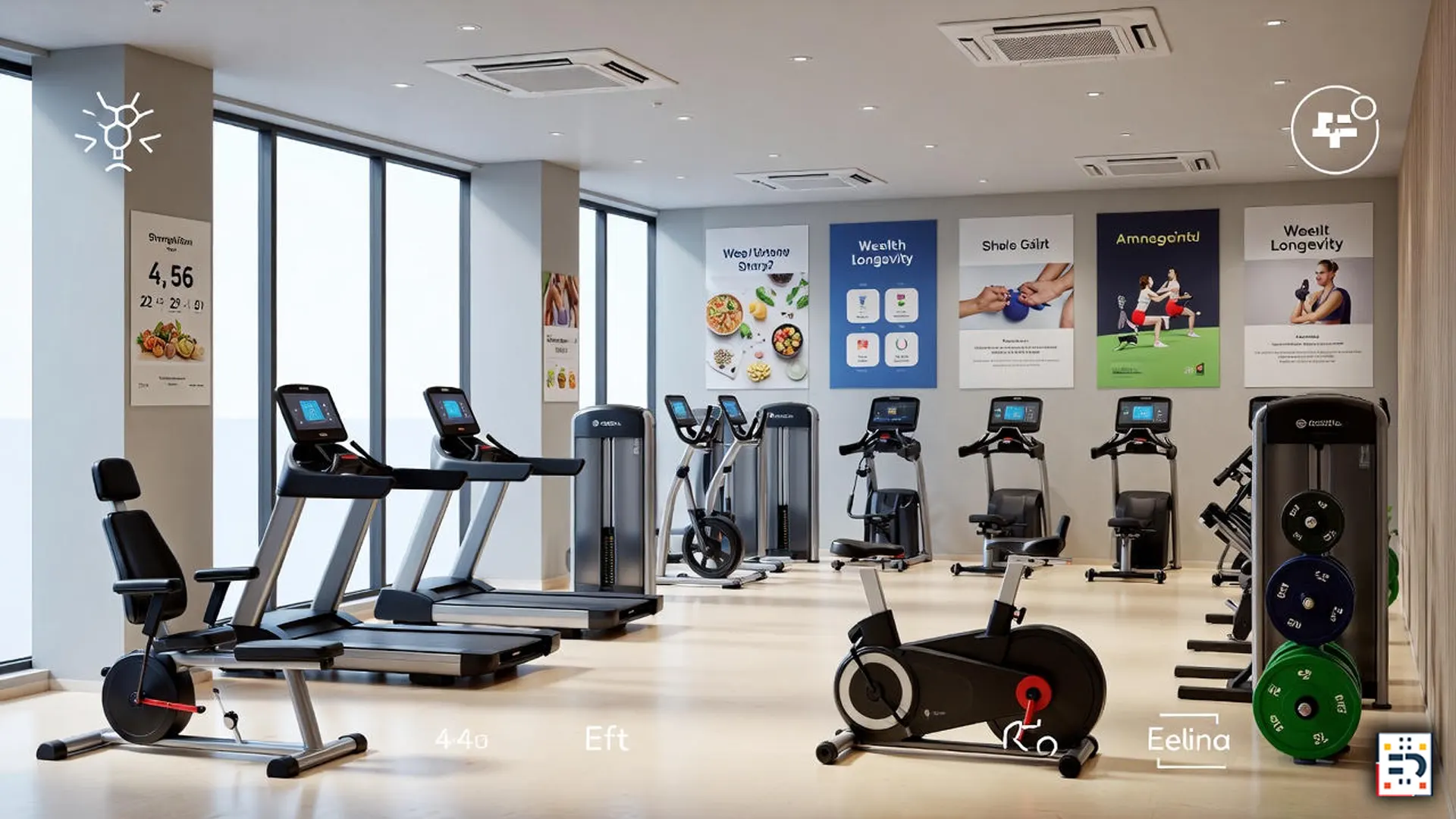
Introduction: The End of Fitness as Pure Aesthetics
For decades, fitness centers sold one dominant promise: looking better. Flat stomachs, visible abs, and rapid weight loss defined success.
That model is breaking.
The rise of GLP-1 weight loss drugs—such as those explained in regulatory drug overviews—has changed the motivation behind why millions now walk into gyms.
Fitness is no longer about vanity. It’s becoming about longevity, metabolic health, and disease prevention.
What GLP-1 Drugs Actually Changed
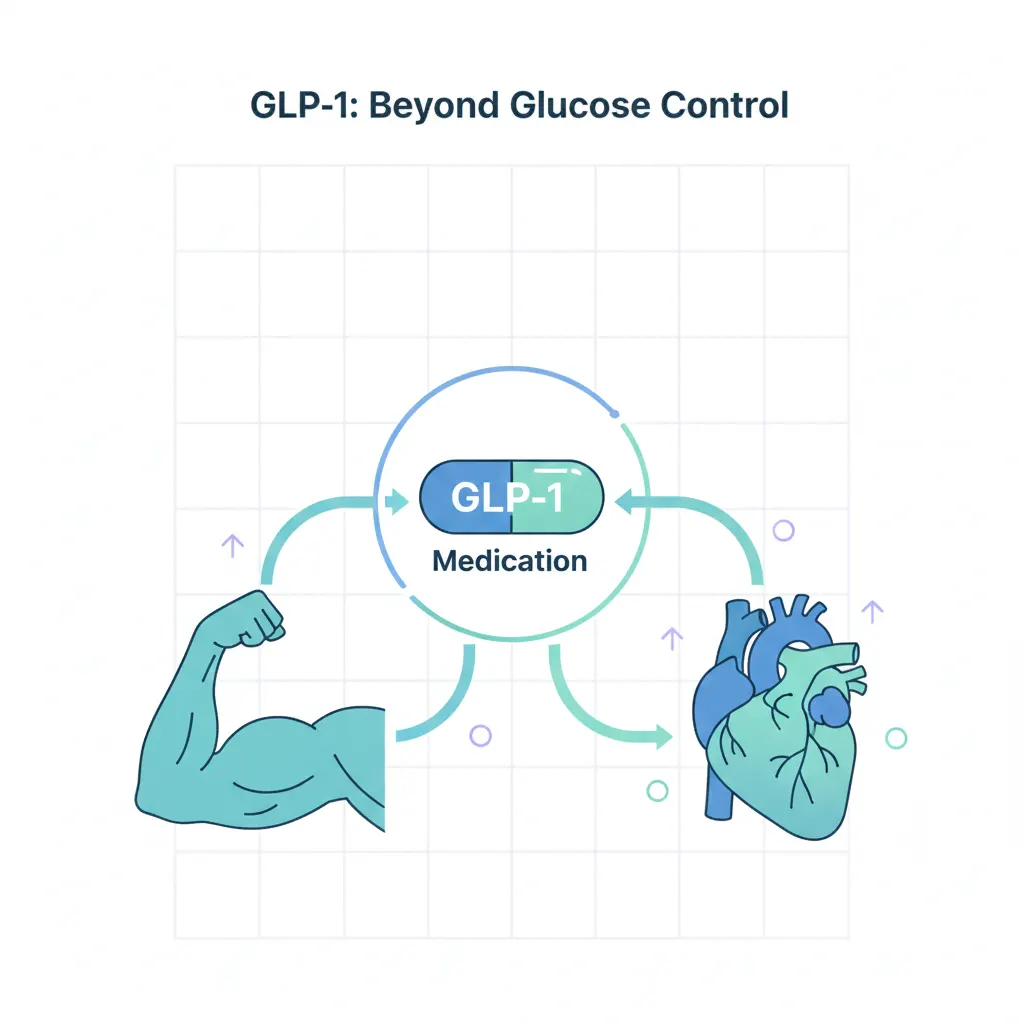
GLP-1 medications work by regulating appetite, blood sugar, and insulin response. While popularly framed as “weight loss injections,” their broader health implications are driving a cultural shift.
Clinical insights summarized by metabolic health research show improvements beyond weight reduction, including better cardiovascular markers and reduced inflammation.
For the first time, body fat is being medically managed—freeing fitness from the burden of being the primary fat-loss solution.
Why Gyms Are Rethinking Their Entire Business Model
As GLP-1 users lose weight without extreme exercise, gyms face a choice: become irrelevant or evolve.
According to trends tracked by global fitness industry analysts, leading fitness operators are pivoting away from “burn calories” messaging toward:
- Strength training for aging
- Mobility and joint health
- Metabolic resilience
- Injury prevention
In short, gyms are repositioning themselves as preventive health environments.
From Weight Loss to Muscle Preservation
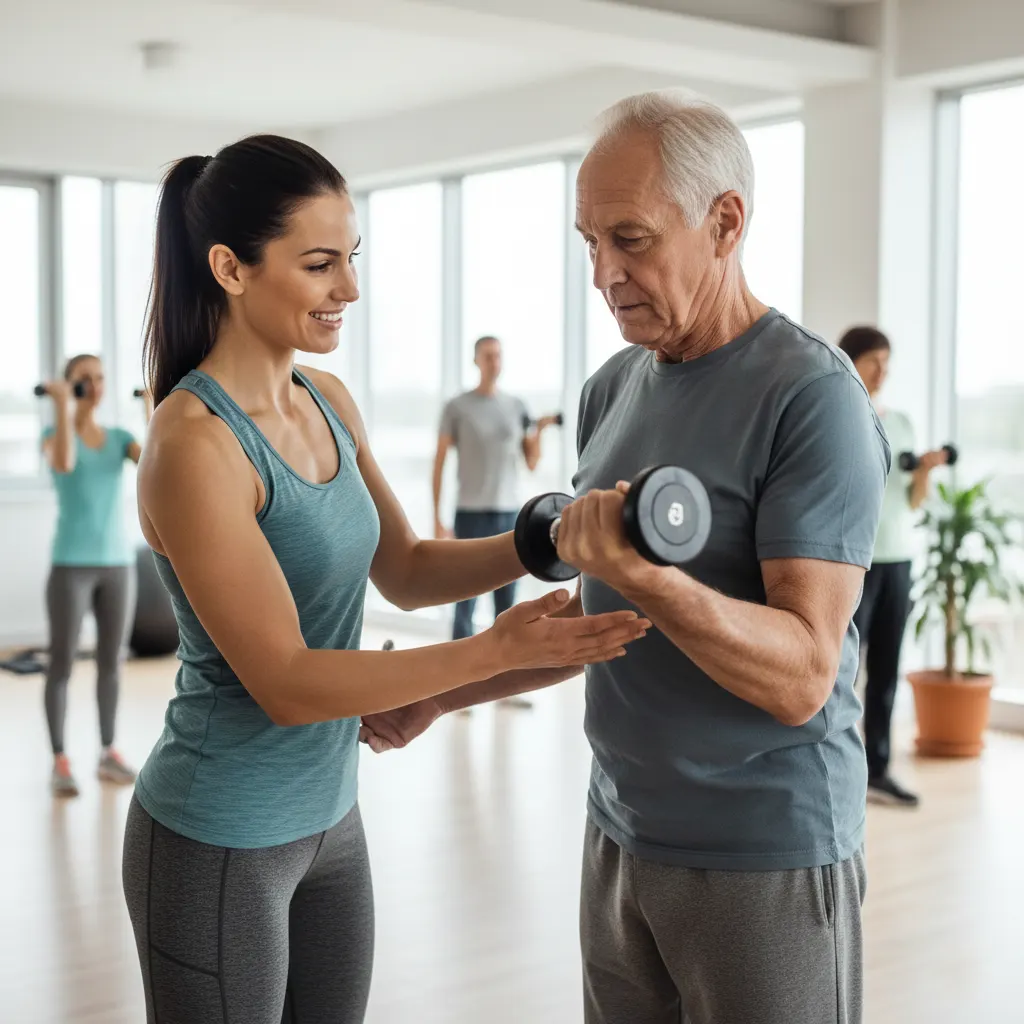
One of the key concerns surrounding GLP-1 drugs is lean muscle loss. Medical experts cited in clinical health guidance emphasize that resistance training is critical to preserving muscle during rapid fat loss.
This has made strength training—not cardio—the centerpiece of modern fitness programming.
Gyms that once emphasized treadmills are now marketing:
- Personalized strength plans
- DEXA and body composition scans
- Recovery and mobility protocols
The Rise of the “Longevity Client”
GLP-1 users skew older, wealthier, and health-focused—demographics aligned with long-term membership value.
Data discussed in wellness economy analysis shows growing demand for services that extend healthspan rather than optimize appearance.
This has transformed the gym floor into a hybrid space:
- Part training facility
- Part wellness clinic
- Part preventive health hub
Why Trainers Are Becoming Health Interpreters
As medicine handles fat loss, trainers now interpret health.
Certifications increasingly include metabolic conditioning, joint longevity, and recovery science. Guidance from strength and longevity research supports resistance training as a cornerstone of healthy aging.
The modern trainer’s role has expanded from motivation to risk management.
The Business Opportunity Most Gyms Miss
Fitness centers that cling to “before-and-after” weight loss marketing risk alienating GLP-1 users entirely.
By contrast, facilities embracing longevity are seeing:
- Higher per-member revenue
- Lower churn
- Stronger partnerships with healthcare providers
This convergence of fitness and health mirrors broader shifts tracked by health industry market analysis.
Ethical and Cultural Tensions Still Remain
Not everyone welcomes this shift. Critics argue that medicalized weight loss risks reinforcing dependency or inequality.
However, as noted in discussions across public health policy coverage, ignoring effective treatments has historically caused more harm than adaptation.
The fitness industry’s response may determine whether GLP-1 drugs widen gaps—or help close them.
Fitness After Vanity
GLP-1 drugs didn’t kill fitness. They freed it.
By removing the pressure to be the sole solution for weight loss, they’ve allowed gyms to evolve into something more meaningful: spaces designed for strength, resilience, and long life.
The future fitness center won’t sell six-packs. It will sell decades.
#GLP1 #Longevity #FutureOfFitness #MetabolicHealth #Healthspan #WellnessIndustry #PreventiveHealth #StrengthTraining