

 By Vinod Ram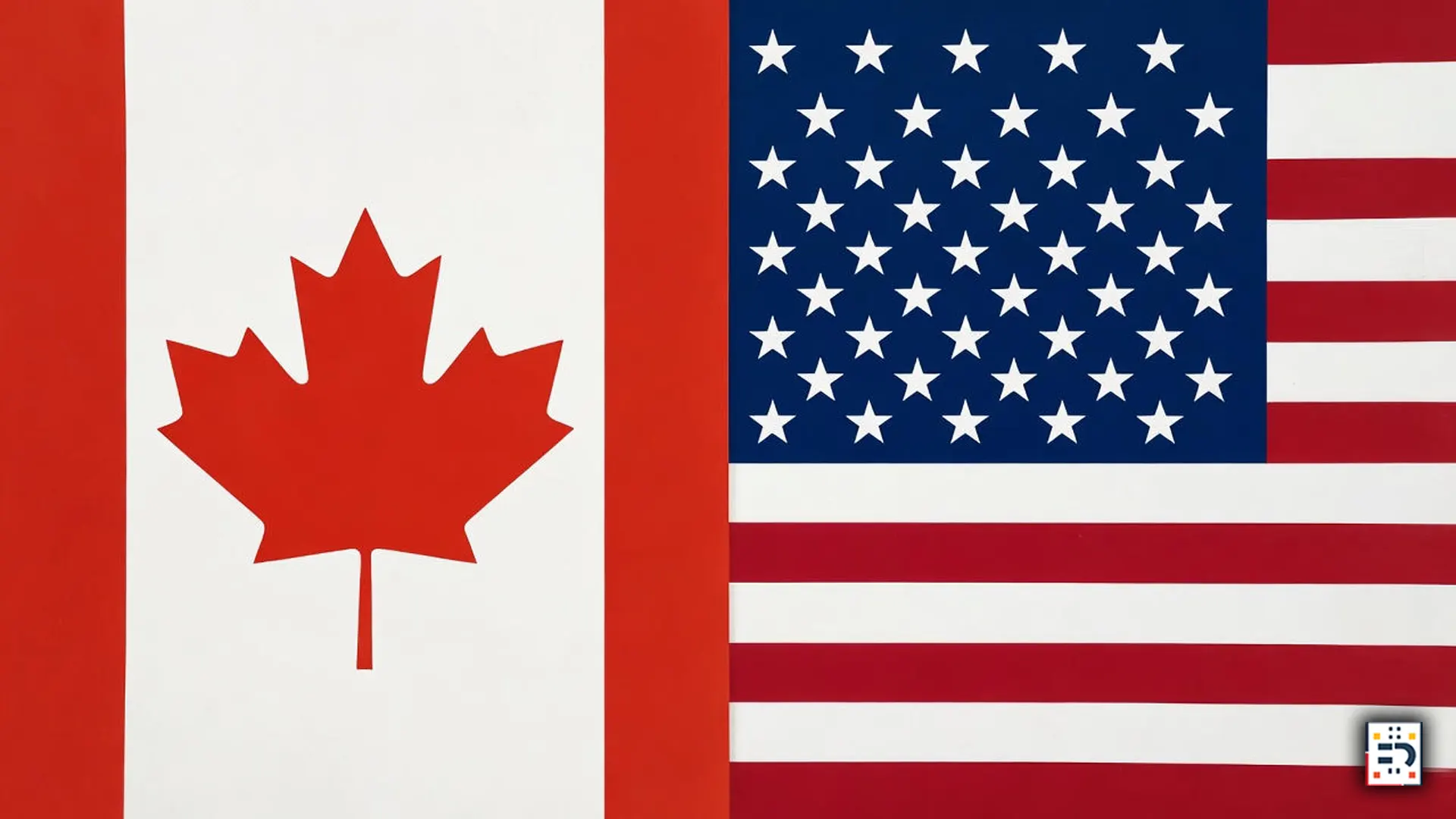
Canadians’ reluctance to “join” the United States isn’t driven by hostility toward Americans. Instead, it reflects history, national identity, and practical differences that have shaped Canada as a distinct country.
1. A Strong, Distinct National Identity
Canada developed partly in contrast to the United States, not as an extension of it. After the American Revolution, many residents of British North America chose loyalty to Britain rather than joining the new republic.
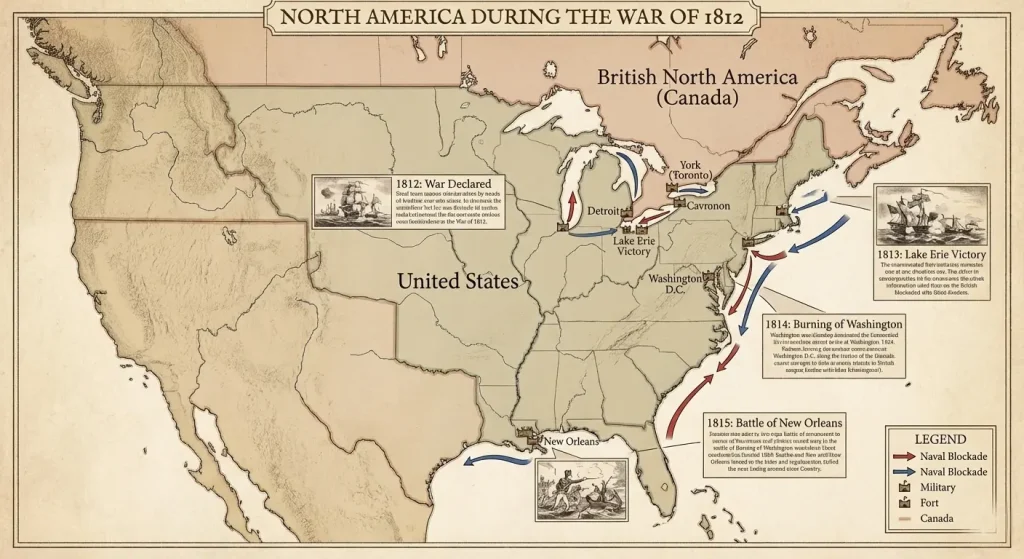
Later, the War of 1812—during which U.S. forces invaded what is now Canada—reinforced the idea that Canada’s future would remain separate.
Over time, being “not American” became a defining part of Canadian identity, even while maintaining close ties.
2. Different Political Values
Canada’s political culture emphasizes parliamentary democracy, compromise, and a larger government role in public services. The structure of governance is outlined by the Parliament of Canada.
Many Canadians view U.S. politics as more polarized and adversarial, which creates concern about importing instability or extreme policy swings.
3. Universal Healthcare Is a Core Issue
Canada’s publicly funded healthcare system, described by Health Canada, is one of the strongest reasons Canadians resist the idea of joining the U.S.
Although the system has flaws, most Canadians see healthcare as a right, not a privilege. The possibility of losing universal coverage is often viewed as unacceptable.
4. Cultural Confidence Without Loud Nationalism
Canadian identity tends to be quieter and less focused on nationalism. The country’s official commitment to multiculturalism, detailed by Canadian Heritage, reflects an emphasis on inclusion rather than dominance.
Many Canadians worry that joining the U.S. would mean being absorbed into a louder, more dominant culture, weakening Canada’s social balance.
5. Language, Law, and Regional Complexity
Canada is not culturally or legally uniform. Quebec operates under French language laws and a civil law system, unlike the rest of North America.
In addition, Indigenous treaty rights are constitutionally protected, as outlined by Crown–Indigenous Relations and Northern Affairs Canada. Integrating these systems into the U.S. constitutional framework would be highly complex.
6. Limited Practical Benefits
Canada consistently ranks high on global quality-of-life measures such as the UN Human Development Index.

With strong trade access through agreements like the USMCA, many Canadians see little benefit in giving up political sovereignty.
7. History Shows Little Support for Union
Historically, U.S. expansionists assumed Canada might one day join voluntarily. However, historians at The Canadian Encyclopedia note that such efforts failed largely because Canadians did not support the idea.
That lack of enthusiasm has remained consistent for over two centuries.
Most Canadians don’t see themselves as “almost American.” Instead, they view themselves as independent partners and close neighbors. While cooperation in trade, defense, and culture is valued, political union feels unnecessary, risky, and incompatible with Canada’s identity.
#Canada #USA #CanadianIdentity #CanadaVsUSA #PoliticsExplained #GlobalPerspectives #NorthAmerica #Sovereignty #HistoryMatters #CulturalDifferences