

 By Vinod Ram
Geopolitical issues — especially tariffs — have direct, measurable financial impacts across companies, but the effects vary widely by industry, supply-chain structure, pricing power, and geographic exposure.
Below is a company-level breakdown of how geopolitics translates into real financial outcomes.
1. Revenue Impacts
a) Demand Destruction
Tariffs raise end prices, which can reduce demand:
- Consumers delay or substitute purchases
- Exporters lose competitiveness in foreign markets
The International Monetary Fund has repeatedly shown that tariff increases suppress global trade volumes and consumer demand.
Most exposed companies
- Consumer electronics
- Automobiles
- Apparel & footwear
- Industrial equipment
Financial signals
- Slower top-line growth
- Volume declines despite stable pricing
- Market share loss in tariff-affected regions
b) Market Access Risk
Geopolitical tensions can restrict or fragment markets through:
- Retaliatory tariffs
- Import/export bans
- Local-content requirements
According to World Trade Organization reporting, retaliatory trade actions often cascade across industries, amplifying revenue risk.
Financial consequences
- Forced market exits
- Higher regional revenue concentration
- Lower long-term growth assumptions in valuations
2. Cost Structure & Margin Pressure
a) Higher Input Costs
Tariffs increase costs on:
- Raw materials (steel, aluminum)
- Semiconductors and components
- Finished imports
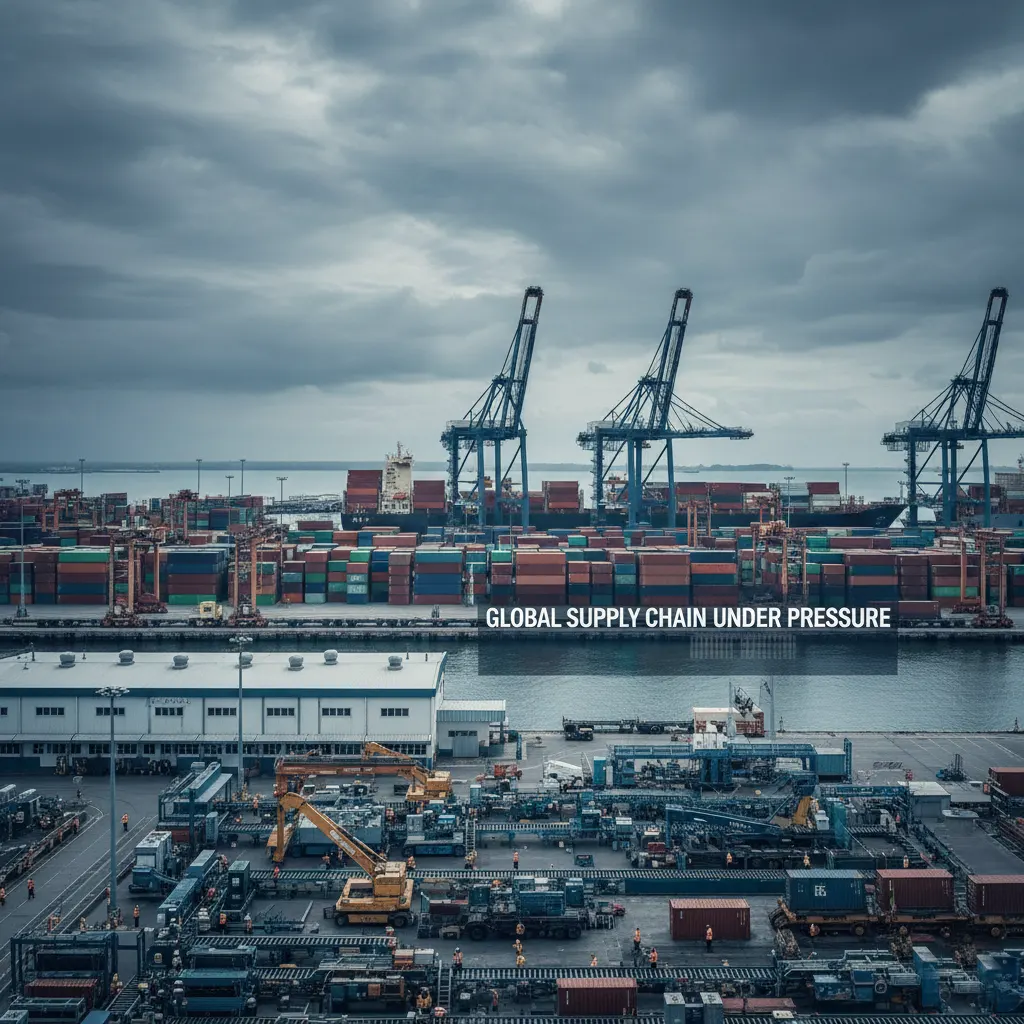
Research from McKinsey & Company shows tariff-related cost inflation is one of the leading drivers of margin compression in global manufacturing.
Financial impact
- Rising COGS
- Gross margin erosion
- Reduced operating leverage
b) Limited Cost Pass-Through
Not all companies can raise prices.
Highly competitive markets with elastic demand often prevent full cost pass-through, a dynamic analyzed by Harvard Business Review.
Result
- Earnings decline even when revenues hold steady
- Increased margin volatility
3. Capital Allocation & Investment Effects
a) Delayed or Reduced CapEx
Geopolitical uncertainty discourages long-term investment:
- Factory expansions postponed
- Cross-border M&A slowed
- R&D budgets constrained
The World Bank notes that trade policy uncertainty directly reduces foreign direct investment flows.
Balance-sheet effect
- Lower growth capex
- Higher cash reserves
- Reduced ROIC
b) Supply Chain Reconfiguration Costs
To mitigate tariffs, firms increasingly:
- Reshore or “friend-shore” production
- Shift suppliers to new countries
- Build redundant supply chains
According to BCG, these transitions often involve significant one-time restructuring costs.
Short-term financial impact
- Higher fixed costs
- Lower free cash flow
- Restructuring charges
Long-term impact
- Greater resilience
- Structural margin changes
4. Earnings Volatility & Forecast Risk
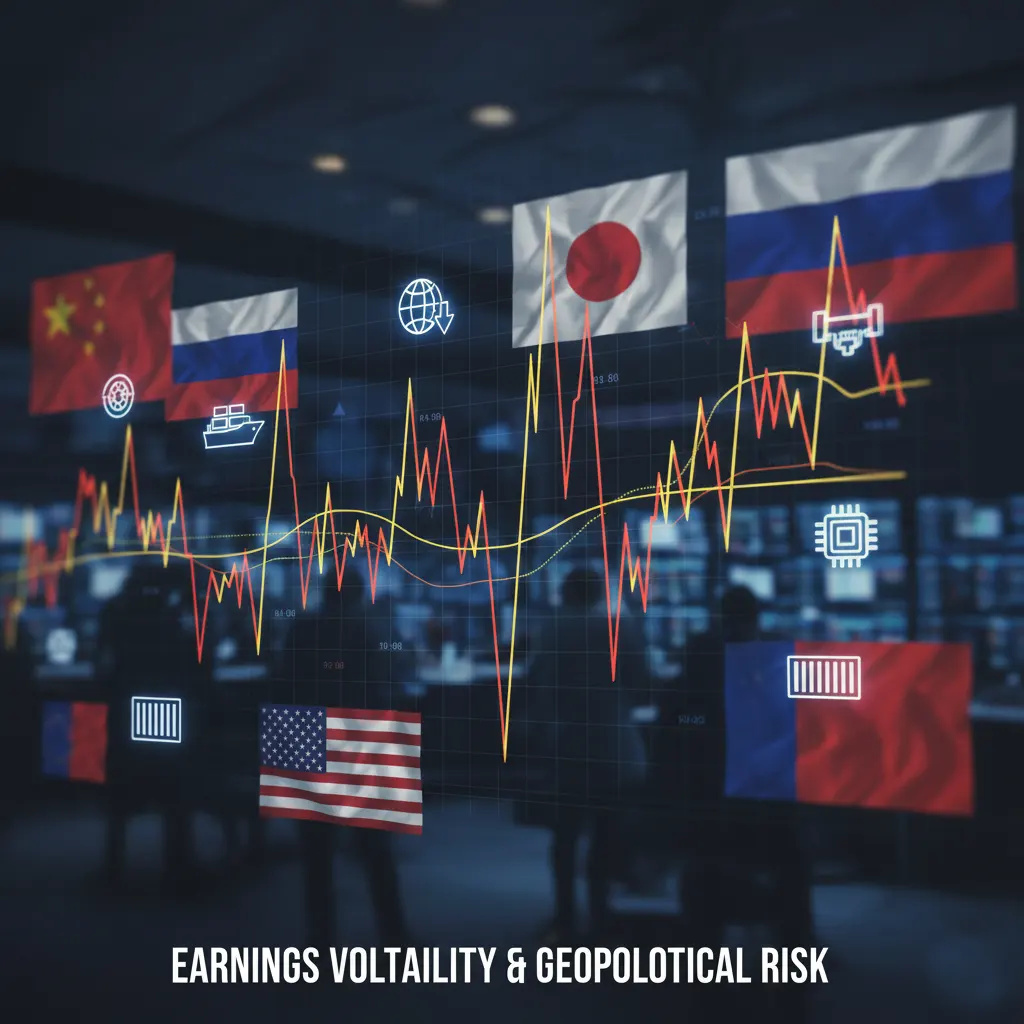
Tariffs introduce earnings uncertainty, which equity markets penalize.
Because tariffs change with politics rather than economics, analysts cited by Reuters note increased earnings forecast dispersion and guidance volatility.
Market consequences
- Lower valuation multiples
- Higher equity risk premiums
- Increased share price volatility
5. Currency & Inflation Spillovers
a) FX Volatility
Trade disputes often weaken affected currencies.
The Bank for International Settlements shows how tariff shocks spill into foreign exchange markets.
Corporate effects
- Translation losses
- Higher hedging costs
- Volatile reported earnings
b) Inflation Transmission
Tariffs act like a tax, pushing inflation through supply chains.
The Federal Reserve has linked tariff-driven input inflation to higher consumer prices and wage pressures.
Corporate impact
- Rising working capital needs
- Higher interest expenses
- Margin pressure in labor-intensive sectors
6. Industry-Level Winners and Losers
Likely Losers
- Export-dependent manufacturers
- Global consumer brands
- Low-margin retailers
- Single-country supply chain operators
Potential Winners
- Domestic producers shielded by tariffs
- Defense and national security firms
- Logistics and supply-chain services
- Commodity producers in protected markets
Analysis from Brookings Institution highlights how protectionism redistributes value rather than creating it.
7. Valuation & Shareholder Impact
Lower Valuation Multiples
Markets discount firms exposed to:
- Policy unpredictability
- Geopolitical escalation
- Revenue concentration
Shareholder Returns
- Slower dividend growth
- Buyback suspensions
- Wider credit spreads
This dynamic is frequently discussed in Morgan Stanley and Goldman Sachs investor research.
Tariffs and geopolitical risks directly affect cash flow, margins, capital allocation, and valuation.
At the company level, the biggest financial impacts are:
- Margin compression from higher costs
- Revenue loss from restricted markets
- Higher earnings volatility
- Persistent valuation discounts
In today’s environment, geopolitical risk management is financial management.
#Geopolitics #Tariffs #GlobalTrade #CorporateFinance #MarketRisk #EconomicPolicy #BusinessStrategy