

 By Vinod Ram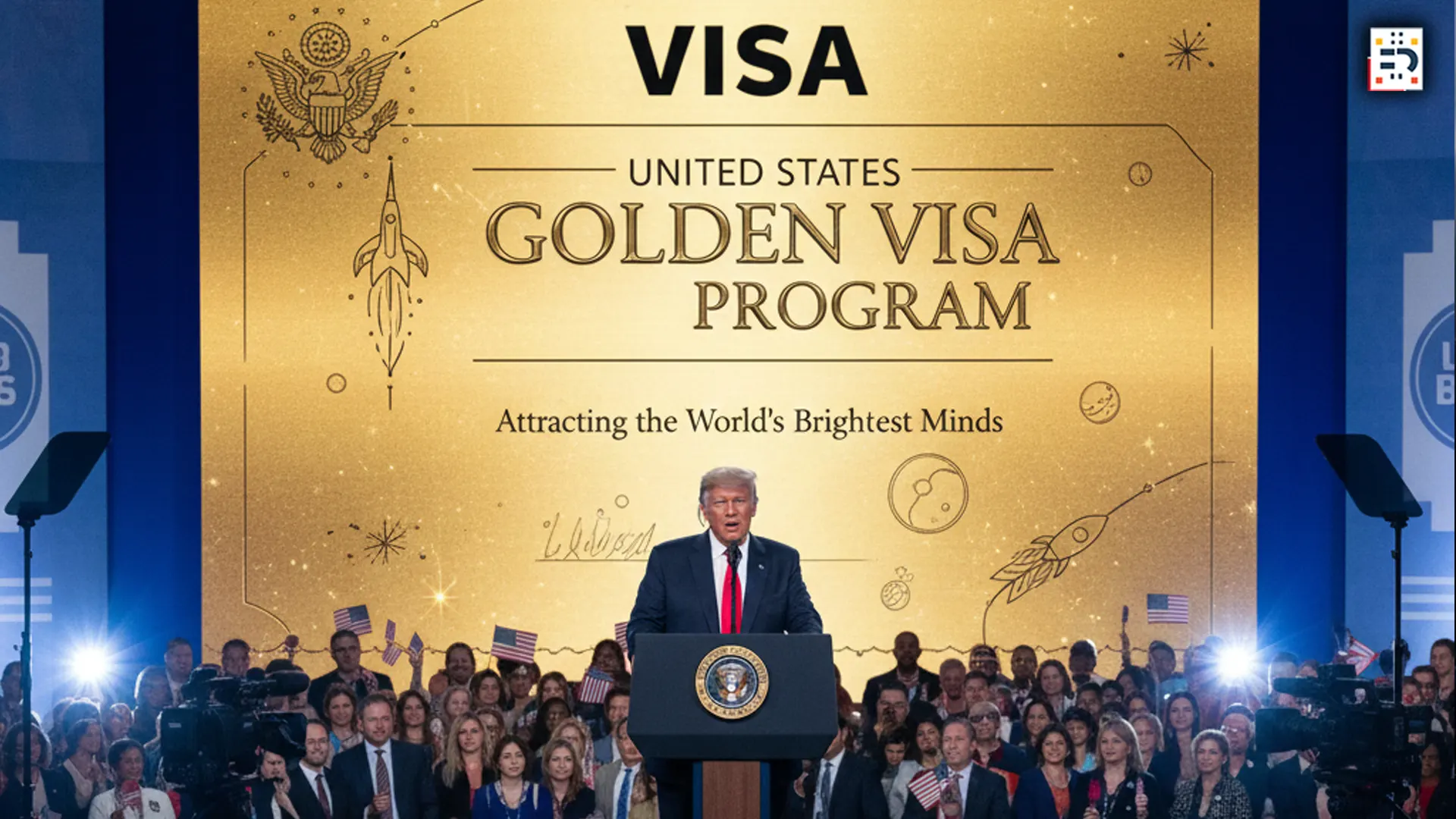
Former U.S. President Donald Trump has unveiled a new immigration proposal dubbed the “Gold Card” visa scheme — a program aimed at attracting highly skilled workers and entrepreneurs. The announcement has triggered immediate debate among policy analysts, business leaders, and immigration advocates, who are divided over its potential economic impact and eligibility requirements.
According to reporting by major outlets including Reuters, the proposal is designed to streamline entry for workers in sectors such as technology, engineering, and advanced manufacturing, while placing stricter limitations on other categories of immigration.
What Is the ‘Gold Card’ Visa?
The proposed visa resembles other global “high-talent” immigration programs — such as the U.K. Global Talent Visa and Singapore’s ONE Pass. It aims to attract experienced professionals who can contribute to innovation, national competitiveness, and specific industry shortages.

Early details suggest the visa may:
- Prioritize applicants in AI, semiconductor manufacturing, biotech, and cybersecurity.
- Offer multi-year residency tied to employment or investment thresholds.
- Provide fast-tracking for entrepreneurs building U.S.-based companies.
- Include renewed vetting standards for national security purposes.
Why the Plan Is Controversial
Critics argue that the plan may create a two-tier immigration system favoring high-income applicants while tightening pathways for other groups. Supporters believe it could strengthen the U.S. workforce in strategic sectors.
Concerns raised include:
- Potential reductions in family-based and humanitarian visa options.
- Economic barriers for otherwise qualified candidates.
- Possible political implications for existing immigration programs.
Supporters counter that the scheme could boost competitiveness in emerging technologies and help fill skilled labor shortages.
How the Gold Card Could Affect the Tech Sector
The program appears aligned with broader U.S. goals to strengthen domestic capability in artificial intelligence, microchips, and advanced manufacturing. Companies facing ongoing workforce shortages could see an influx of specialized talent — though final outcomes would depend on the program’s specific criteria.
For broader context on U.S. tech workforce needs, see official federal economic reports.
What Happens Next?
The Gold Card visa remains a proposal and would require formal policy development, administrative action, or legislative approval depending on its final structure. Further details are expected during upcoming policy briefings and campaign events.

You May Like
- H-1B Visa Guide 2025: Latest News, Policy Changes, and Immigration Updates for USA
- Navigating the Path to the American Dream: Understanding U.S. Citizenship and Immigration Services (USCIS)
The ‘Gold Card’ visa proposal marks a significant shift in the immigration debate, emphasizing high-skilled talent while prompting questions about fairness, economic impact, and national priorities. As policy discussions continue, businesses, voters, and global talent pools will be watching closely to see how the proposal evolves.
#TrumpNews #GoldCardVisa #ImmigrationPolicy #USPolitics #VisaReform #SkilledWorkers #PoliticalUpdate #Election2025 #PolicyDebate #GlobalTalent