

 By Vinod Ram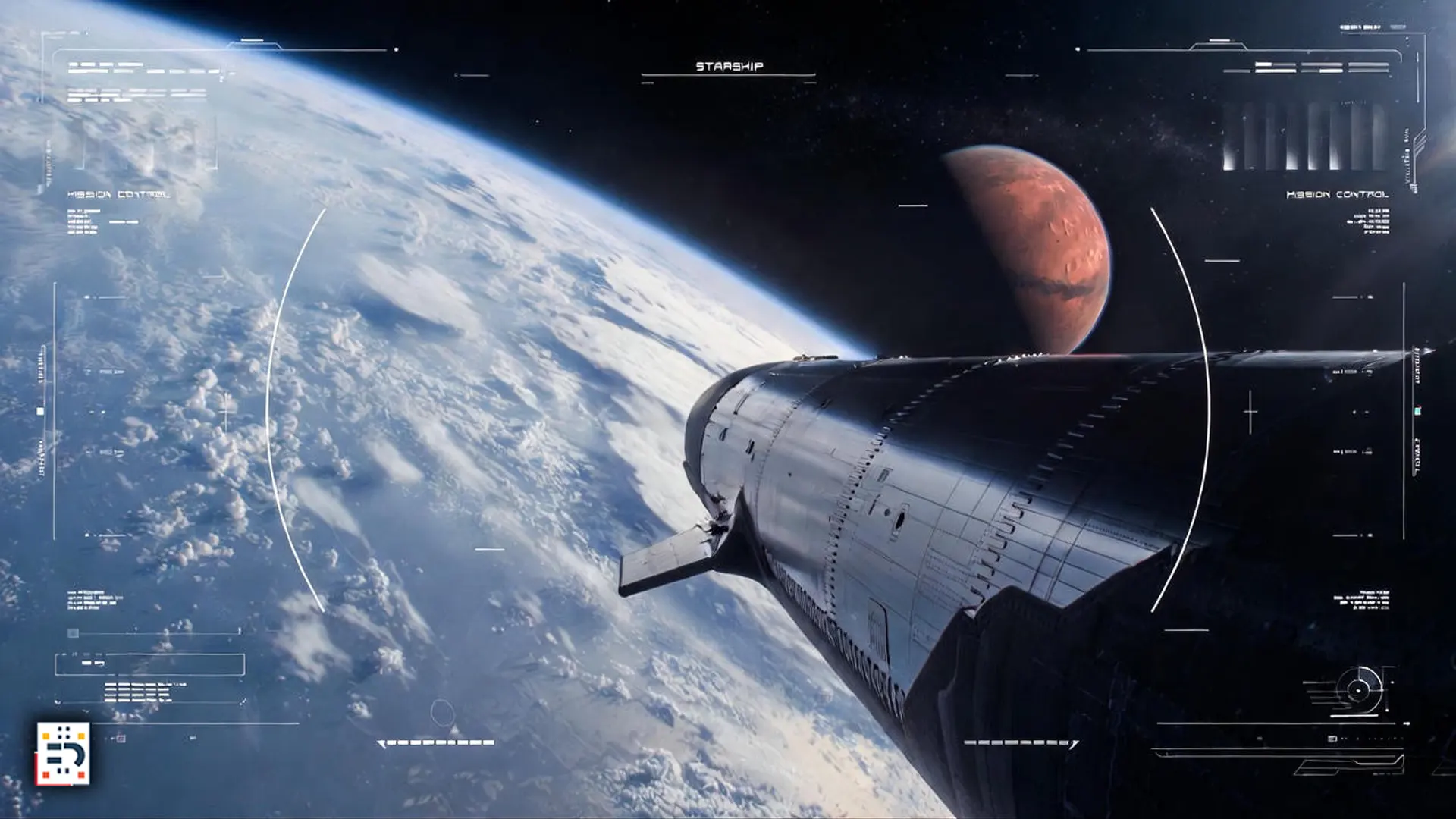
Elon Musk has never been shy about bold timelines — and his latest claim is one of the biggest yet: a 50-50 chance that SpaceX’s Starship could reach Mars by 2026. The statement, shared across interviews and social media posts, reignites the debate over whether Starship’s development pace, ongoing tests, and NASA partnerships can support such an accelerated interplanetary milestone.
With technical data and analysis from SpaceX, NASA, and engineering commentary reported by Reuters and Space.com, here’s a grounded look at what it would actually take for Starship to attempt a Mars mission within the next two years.
Why Musk Believes Mars by 2026 Is Possible
SpaceX has significantly accelerated its Starship testing cadence: multiple integrated flight tests, improved booster performance, and major heat-shield upgrades. Musk argues that exponential iteration may allow Starship to reach basic interplanetary capability faster than expected.
His reasoning includes:
- Rapid prototyping at Starbase, Texas.
- Continuous Raptor engine improvements.
- Growing launch cadence on the Super Heavy booster.
- The increasing reliability of reentry and splashdown tests.
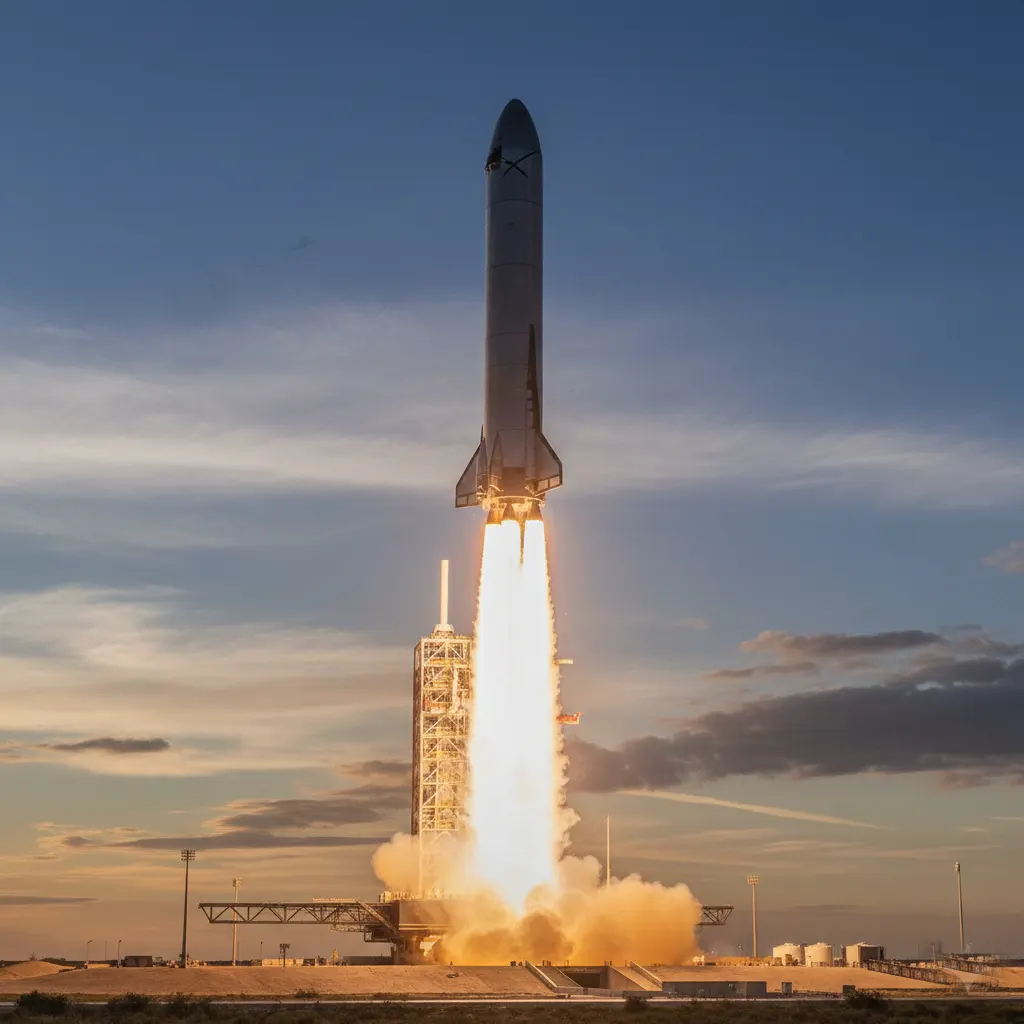
SpaceX maintains an updated flight history at SpaceX Launches.
The Massive Technical Hurdles Still Ahead
Despite rapid progress, a Mars mission requires an entirely different scale of engineering readiness. Experts emphasize several key milestones that must be achieved before even attempting a Red Planet trajectory.
Major hurdles include:
- Orbital refueling: Starship must demonstrate on-orbit propellant transfer — a capability not yet tested.
- Long-duration flight testing: Demonstrating weeks or months of in-space operations.
- Thermal protection upgrades: Surviving high-energy interplanetary reentries.
- Deep-space communications: Integrating with NASA’s Deep Space Network.
- Payload life-support systems: If crewed tests follow in later phases.
NASA outlines refueling requirements in its Artemis program documentation at NASA Artemis.
Could an Uncrewed Starship Reach Mars?
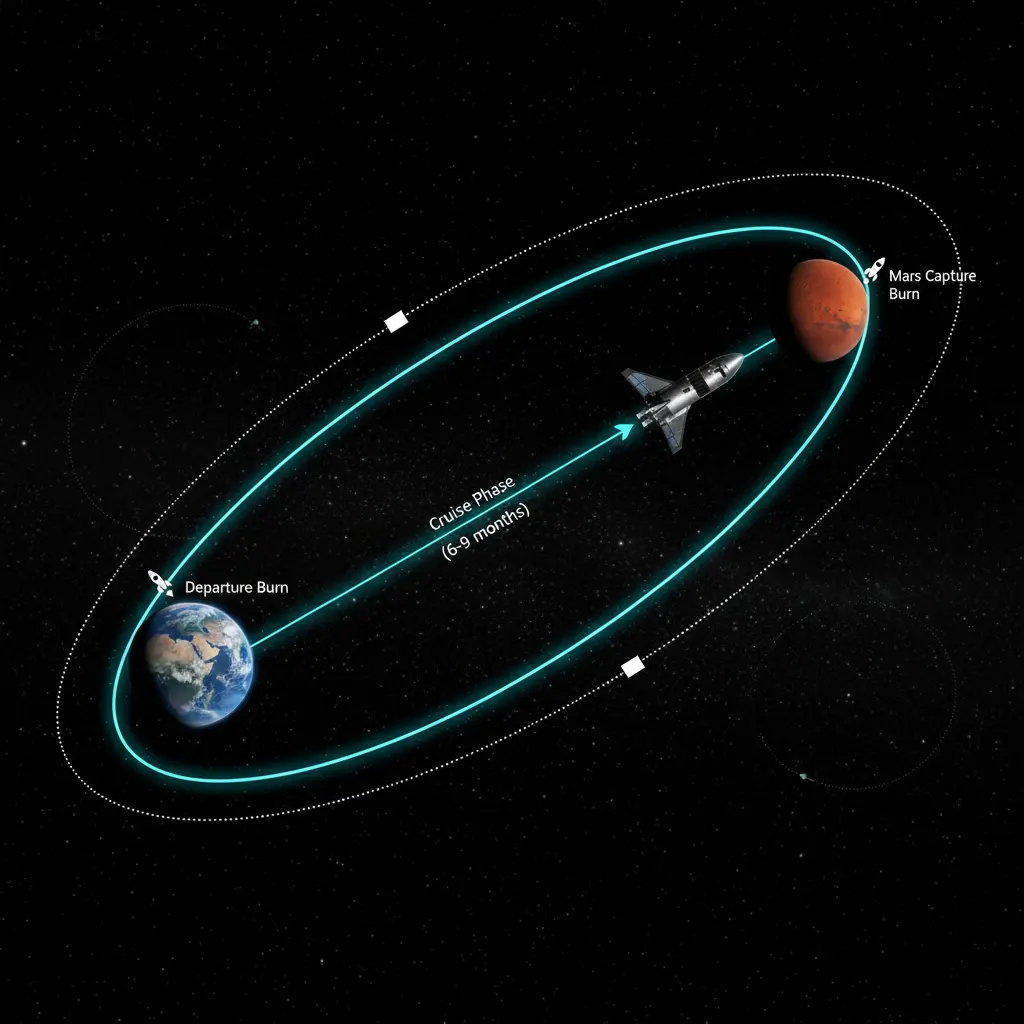
A more realistic short-term scenario involves an uncrewed Starship aimed at a Mars flyby or surface attempt. SpaceX has openly suggested that early Mars missions could involve:
- Technology demonstrators.
- Supply drops (cargo-only).
- Surface hardware testing.
- Landing systems trials.
These missions reduce risk and provide critical data for future crewed missions.
How NASA Influences the Timeline
SpaceX’s partnership with NASA’s Artemis program plays a major role in Starship development. The Human Landing System (HLS) variant of Starship is scheduled for lunar missions before Mars attempts. Successful lunar operations — orbital refueling, docking, precision landing — would dramatically improve the odds of a Mars mission by 2026–2027.
NASA’s official HLS updates can be found via NASA HLS Program.
Is Musk’s 50-50 Estimate Realistic?
Experts note that Musk’s timelines are aspirational but often directionally correct. A 2026 Mars attempt is aggressive — and dependent on rapid success of several unproven technologies — but not impossible if progress continues at the current pace.
A realistic interpretation:
- Plausible — an uncrewed Starship Mars flyby or atmospheric entry.
- Optimistic — a full surface landing test.
- Unlikely — a crewed mission by 2026.
SpaceX itself has not issued a formal Mars launch date, though Musk continues to push toward an early milestone.
You May Like
Musk’s “50-50” Mars prediction is undeniably bold — but that ambition is also what drives Starship’s rapid evolution. While a crewed Mars mission is unlikely by 2026, an early uncrewed Starship attempt is possible if critical technologies advance on schedule. Whether Musk hits his timeline or misses it, the journey toward the Red Planet is accelerating faster than ever.
#Starship #MarsMission #SpaceX #ElonMusk #Mars2026 #SpaceNews #Aerospace #Interplanetary #FutureOfSpace #Exploration