

 By Vinod Ram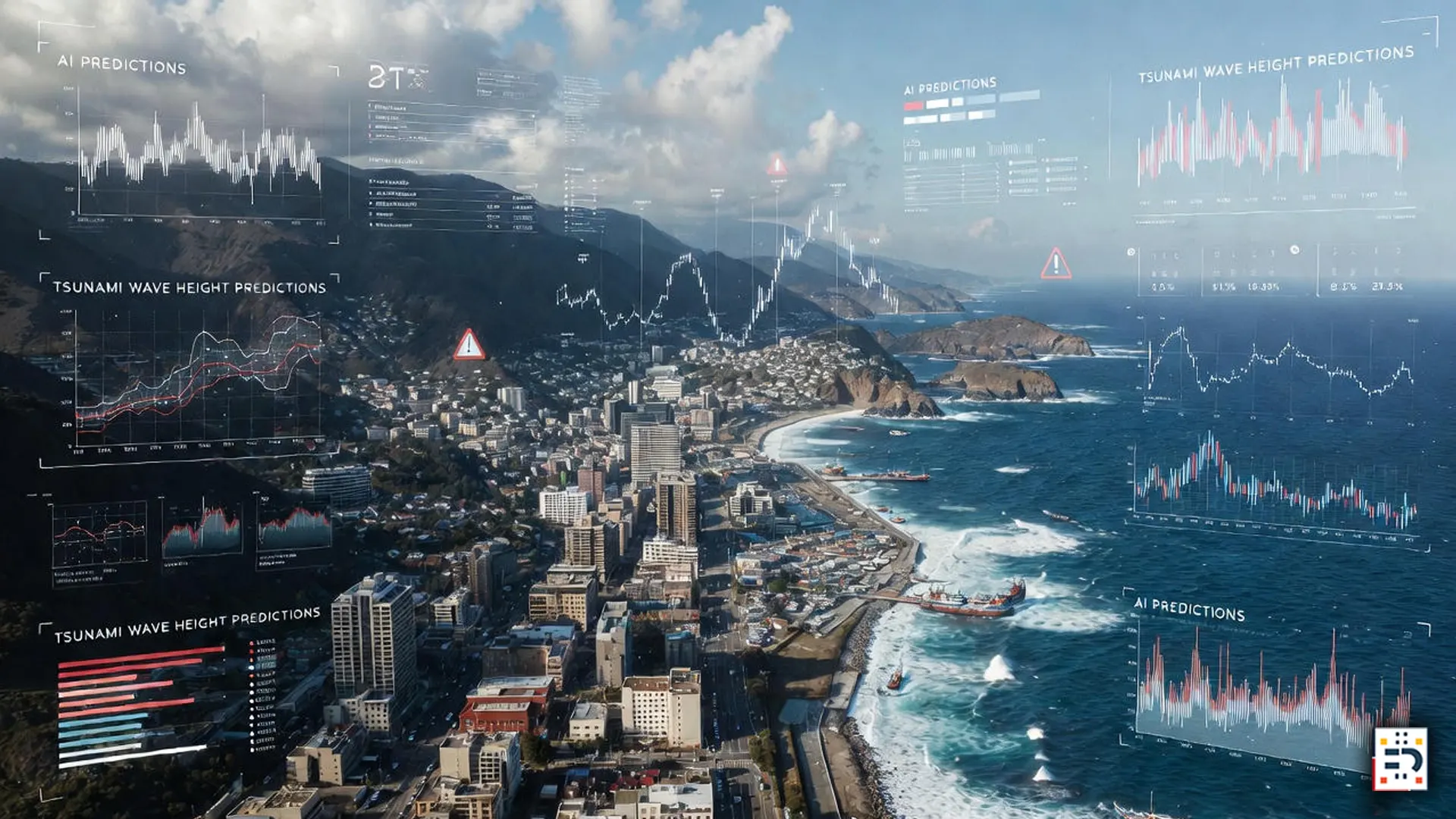
Tsunamis strike with little warning, often leaving coastal communities with only minutes to react. Fortunately, modern technology is transforming that narrow window into life-saving opportunity. Thanks to advances in AI prediction models, deep-ocean sensors, and automated early-warning systems, the world is now better equipped than ever to detect and respond to destructive waves.
With insights from the National Oceanic and Atmospheric Administration (NOAA), the UNESCO Tsunami Programme, and Japan’s cutting-edge work in real-time seismic detection, here’s how tsunami tech is evolving — and how it’s saving lives today.
AI Prediction Models Are Becoming Shockingly Accurate
Traditional tsunami alerts rely on seismic readings and tide gauges. Today, AI models trained on thousands of past earthquakes, ocean-floor patterns, and historical tsunami behaviors are improving prediction accuracy dramatically. These models identify whether an earthquake is likely to generate a tsunami in seconds — sometimes faster than human scientists.
For example, Japan’s research agencies feed real-time seismic waves into machine-learning systems that forecast wave height, direction, and potential coastal impact instantly.
To learn more about tsunami hazards and modeling, see USGS Tsunami Hazards.
Deep-Ocean Sensors (DART Buoys) Provide Real-Time Confirmation
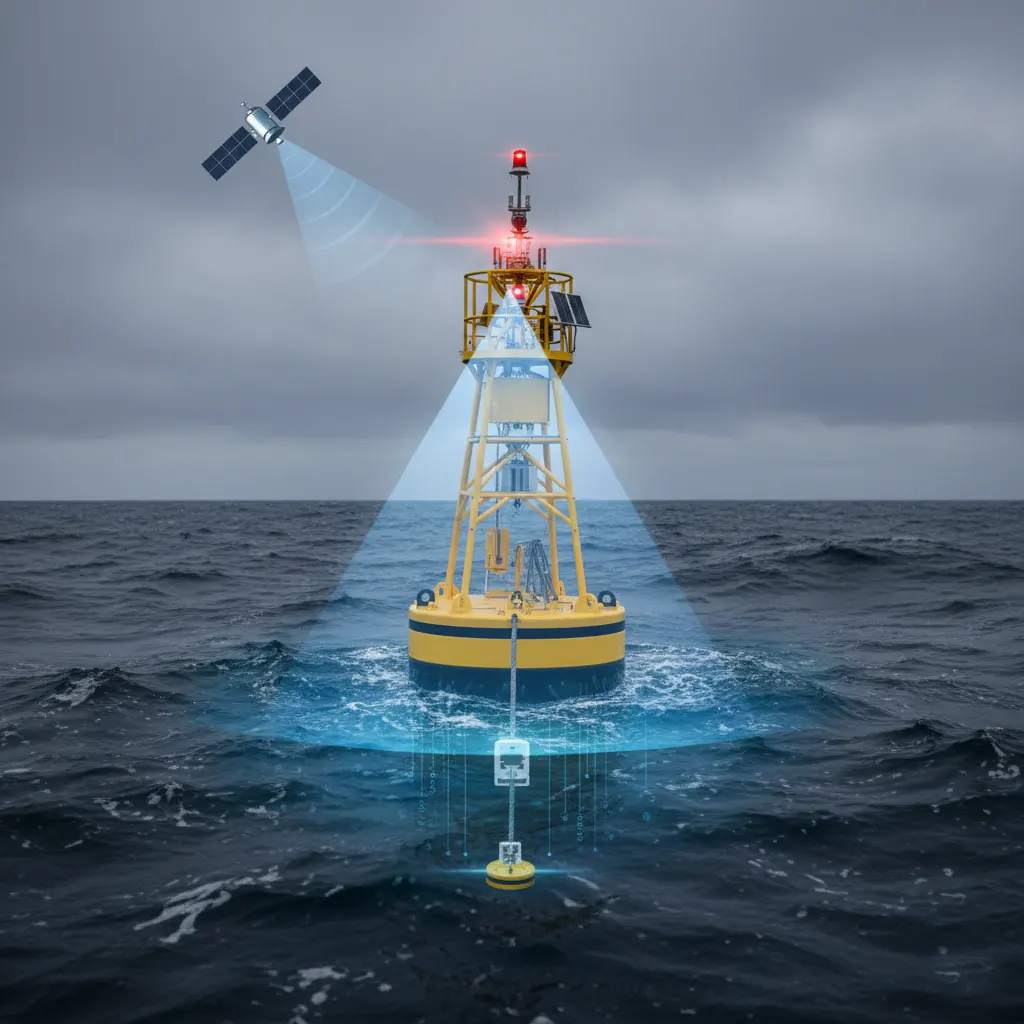
Deep-ocean sensors known as DART buoys measure pressure changes on the ocean floor to detect tsunami waves long before they reach land. These sensors send data through satellites to emergency centers, allowing scientists to confirm whether a wave is forming.
Artificial intelligence now analyzes these buoy signals instantly, filtering out false alarms and enabling faster decisions.
More details on DART sensors are available from NOAA’s DART Network.
Seafloor Cables Help Detect Tsunamis Near the Source
Japan, Chile, and several Pacific nations are deploying seafloor fiber-optic cables that double as tsunami-detection lines. These cables detect tiny pressure changes and transmit data in milliseconds. This is especially crucial because some tsunamis, like those triggered by undersea landslides, can strike coastal areas within minutes.
When linked to AI systems and local alert networks, these cables reduce reaction times dramatically.
Automated Sirens & Mobile Alerts Are Faster Than Ever
New early-warning systems automatically trigger coastal sirens, smartphone alerts, and broadcast interruptions as soon as tsunami signals are confirmed. Countries like Japan and Indonesia now integrate smartphone alerts, GPS data, and geofenced messaging so only at-risk areas receive warnings.
These systems often deliver alerts in seconds, giving communities precious time to evacuate.
Digital Twin Coastlines Help Predict Damage Before It Happens
Coastal cities are now using “digital twins” — 3D virtual models of coastlines — to simulate how tsunamis would impact buildings, roads, and populations. Combined with AI wave simulations, these digital environments help planners design safer evacuation routes and infrastructure.
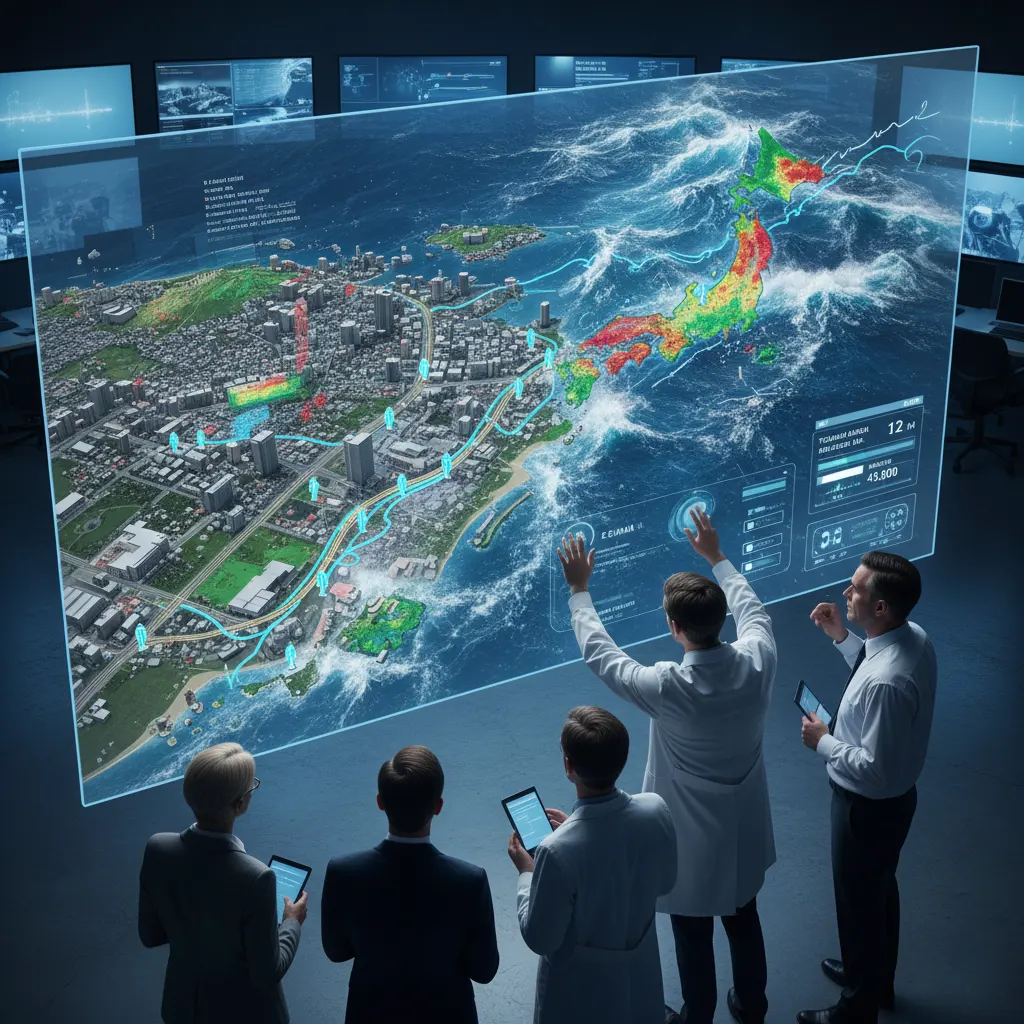
Countries like Japan and New Zealand already rely heavily on this technology for urban safety planning.
Community Tech: From VR Training to Localized Apps
In addition to high-end systems, communities now use:
- VR evacuation training to simulate real tsunami scenarios
- Local hazard apps with evacuation maps and assembly points
- Wearable safety devices that vibrate during alerts
- Smart shelters equipped with real-time sensor data
These tools empower people directly — not just emergency agencies — to respond quickly.
Internal Links You May Like
- Earthquake Safety Lessons from Japan
- Resilience Tourism: How Japan Rebuilds and How Travelers Can Help
Tsunami tech is evolving faster than ever — and AI is at the center of that evolution. By combining advanced sensors, real-time analytics, automated alerts, and digital simulation tools, nations are gaining crucial seconds that save lives. As climate change increases coastal risks worldwide, investing in these technologies becomes more essential than optional.
#TsunamiTech #EarlyWarningSystems #AIDisasterResponse #CoastalSafety #NOAA #UNESCO #DisasterPrep #TsunamiAwareness #ClimateResilience #OceanTechnology