

 By Vinod Ram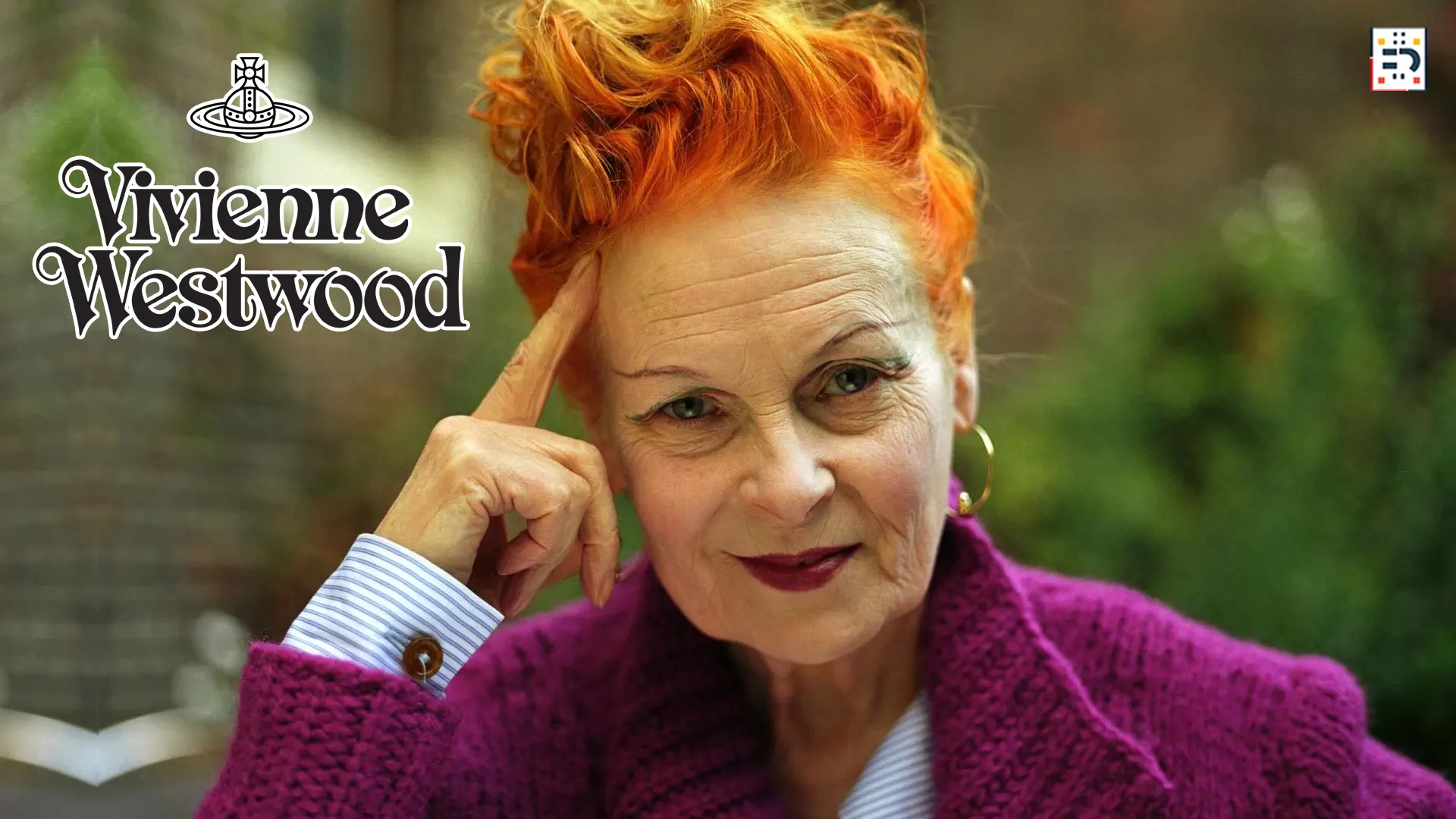
In an era where fast fashion dominates American closets and the average American throws away approximately 81 pounds of clothing annually, one designer’s revolutionary philosophy stands as a stark counter-narrative to disposable fashion culture. Dame Vivienne Westwood, the legendary British designer who passed away in December 2022, left behind more than iconic runway collections—she championed a radical approach to fashion consumption that directly challenges everything the modern industry represents.
The Vivienne Westwood Philosophy: More Than a Slogan
“Buy less, choose well, make it last” wasn’t just a catchy phrase for Vivienne Westwood—it was a complete reimagining of our relationship with clothing. Westwood’s philosophy intertwines fashion, activism, and culture, exploring the links between identity, responsibility, politics, and aesthetic expression. This mantra became increasingly central to her work throughout the 2000s, as she transformed from punk pioneer to environmental activist and anti-consumerism advocate.
What made Westwood’s stance so extraordinary? She was a fashion designer telling people to buy less of what she was selling. In an industry predicated on constant consumption and seasonal obsolescence, this paradox made her message both provocative and profoundly authentic.
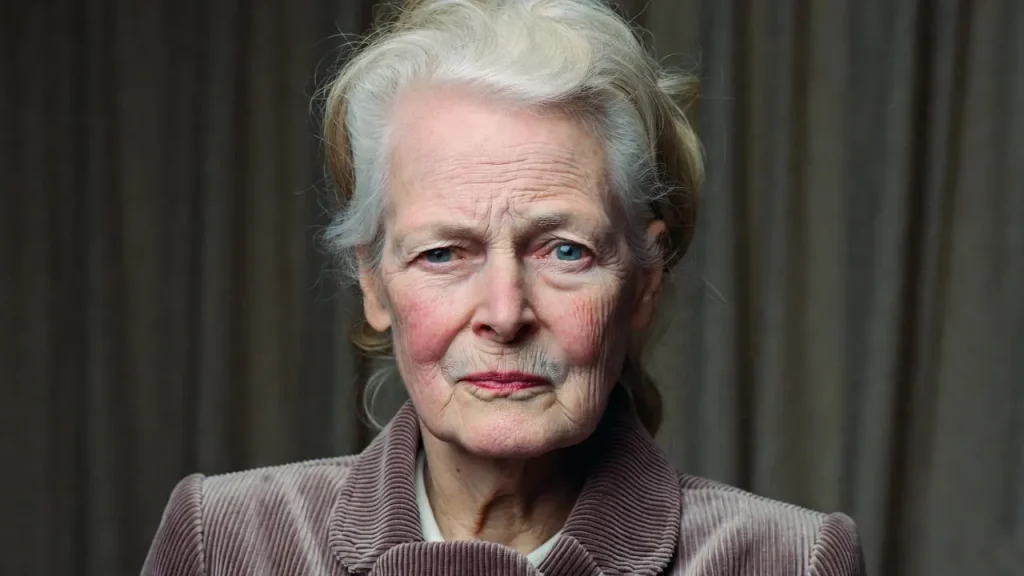
Understanding Westwood’s Environmental Awakening
Westwood launched her “Climate Revolution” campaign in 2011, aiming to mobilize the fashion industry and the public to take action against the environmental crisis. She became an outspoken critic of consumerism and fast fashion, using her platform to advocate for sustainable and ethical fashion practices that she believed were not only necessary but beautiful.
The Fast Fashion Crisis Facing America in 2025
To understand why Westwood’s philosophy matters now more than ever, we need to examine the current state of American fashion consumption:
Staggering Waste Statistics
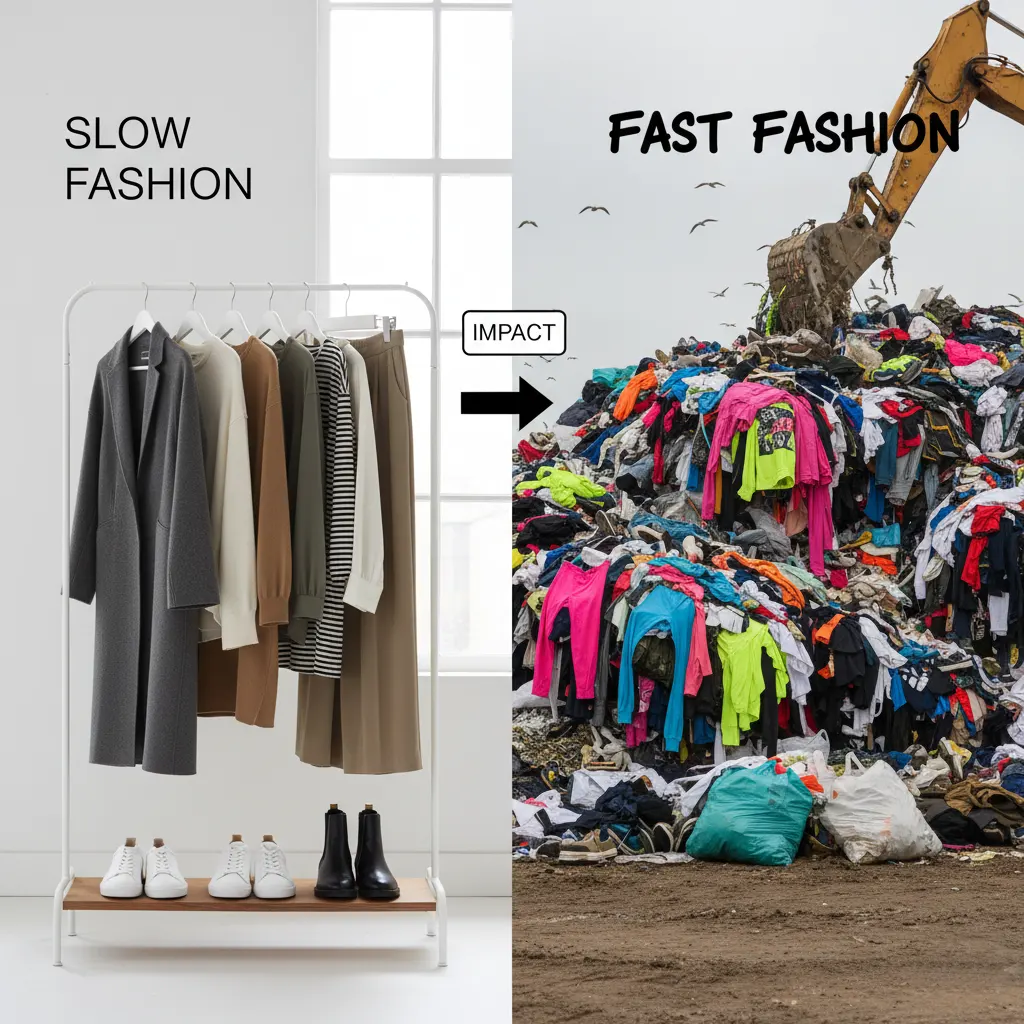
Nearly 17 million tons of textile waste were generated in the United States in 2018 alone, with only 15% recycled or reused. The situation hasn’t improved—in fact, 11.3 megatons of textile waste ends up in landfills every year since 2017, representing 80% more waste than in the year 2000.
Clothing is now worn only 7 to 10 times before being thrown away—a decline of more than 35% in just 15 years. This throwaway culture has created an environmental catastrophe that demands immediate attention.
The Fast Fashion Boom
Despite growing awareness of sustainability issues, fast fashion is now a $150.82 billion industry that has grown by 10.74% from 2024 and is estimated to reach $291.1 billion by 2032. Shein is the biggest fast fashion brand in the US with a 50% market share, doubling since March 2020.
The industry’s environmental impact is devastating. The fashion industry is responsible for 10% of the total annual carbon footprint, surpassing emissions from all international flights and maritime shipping combined.
Government Response to Textile Waste
In a landmark development, U.S. Representatives Chellie Pingree and Rosa DeLauro, alongside Senator Tom Carper, unveiled findings from the Government Accountability Office’s first-ever federal report on textile waste in the United States in December 2024. This represents growing governmental recognition of fashion’s environmental toll.
What “Buy Less” Really Means: Conscious Consumption
Westwood’s first principle—”buy less”—directly confronts American consumer culture. With Americans spending an average of $767 annually on fast fashion, the shift toward conscious consumption requires fundamental behavioral change.
The Psychology of Over-Consumption
Americans have developed a complex relationship with clothing. About 41% of young women feel pressured not to wear the same outfit twice when they go out. This social pressure, amplified by social media, drives unnecessary purchases and perpetuates the cycle of waste.
A study uncovered a paradox among Gen Z fashion consumers: 94% said they support sustainable clothing, but surprisingly 17% shopped at a fast fashion retailer every week, and 62% did so monthly. This disconnect between values and behavior highlights the challenge of implementing Westwood’s philosophy.
Practical Strategies to Buy Less
Implement a 30-day waiting period: Before purchasing any clothing item, wait thirty days. If you still want it and can articulate why it’s necessary, then consider the purchase.
Audit your closet: Most Americans wear only 20% of their wardrobe regularly. Understanding what you already own prevents duplicate purchases and reveals your actual style preferences.
Question each purchase: Ask yourself: Do I need this, or do I just want it because it’s trending? Will I wear this at least 30 times? Does it complement my existing wardrobe?
Unsubscribe from marketing: Retailers use sophisticated marketing tactics to create artificial urgency. Unsubscribing from promotional emails reduces temptation and impulse buying.
“Choose Well”: The Art of Selective Fashion Investment
Westwood’s second principle emphasizes quality, craftsmanship, and intentionality. The designer never wished to waste anything, and herself wore a corduroy suit for over 20 years, taking to mending as her bedtime ritual.
What Quality Really Means
Understanding construction: Quality garments feature sturdy stitching, durable fabrics, reinforced stress points, and quality hardware. Learn to identify these markers before purchasing.
Fabric matters: Natural fibers like wool, cotton, and linen often outlast synthetic alternatives. However, high-quality synthetic blends can also offer durability when properly manufactured.
Timeless vs. trendy: Westwood herself drew heavily from historical costume and classic silhouettes. Choosing pieces with enduring style rather than fleeting trends ensures longer wearability.
Cost-per-wear calculation: A $200 jacket worn 100 times costs $2 per wear. A $30 top worn three times costs $10 per wear. This framework shifts focus from price tag to actual value.
The Sustainable Fashion Market Growth
The good news? Consumer interest in quality, sustainable fashion is growing. The U.S. sustainable clothing market was valued at around $550 million in 2024 and is anticipated to register a CAGR of 10.1% between 2025 and 2034.
According to PwC’s 2024 Voice of the Consumer Survey, consumers are willing to spend an average of 9.7% more on sustainably produced or sourced goods, indicating a genuine shift toward valuing quality and ethics in fashion choices.
“Make It Last”: Maintenance, Repair, and Care
Westwood’s final principle—perhaps the most radical in American consumer culture—advocates for longevity. Kronthaler’s 2024 collection exuded a make-do-and-mend sensibility, honoring Westwood’s personal approach to her own wardrobe.
Essential Garment Care Skills
Basic repairs: Learning to sew on buttons, repair small tears, and fix loose hems can extend a garment’s life by years. YouTube offers countless free tutorials for beginners.
Proper washing: Most clothing is overwashed. Spot-cleaning, airing out garments, and following care labels properly reduces wear and tear. Cold water washing preserves fabric integrity and reduces energy consumption.
Storage matters: Quality hangers, proper folding techniques, and climate-appropriate storage protect garments from damage, moths, and deterioration.
Professional alterations: Investing in tailoring can transform ill-fitting pieces into wardrobe staples and extend the life of garments as your body changes.
The Visible Mending Movement
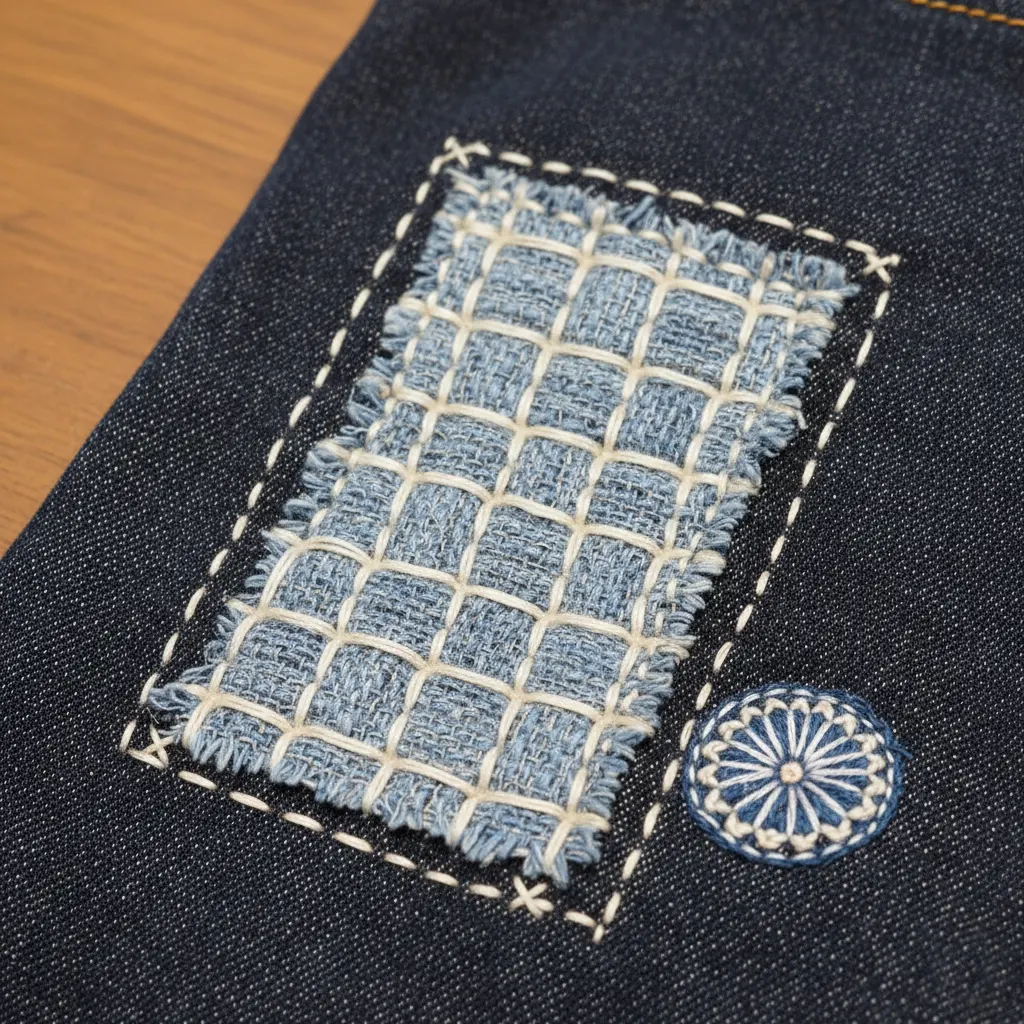
Westwood embraced visible mending—the practice of repairing clothing in ways that celebrate rather than hide the repair. This Japanese-inspired Sashiko technique and similar methods transform repairs into artistic expressions, adding character and personal history to garments.
Vivienne Westwood’s Legacy: Contemporary Impact
Brand Continuity Under Andreas Kronthaler
Since Westwood’s passing in December 2022, her widower Andreas Kronthaler has continued her legacy. Kronthaler utilized brand archives to revisit and rework familiar styles in ways that felt new and purposeful, giving customers the chance to own a piece of the brand’s history once again.
In October 2024, the brand returned to Shanghai Fashion Week, presenting the Spring 2025 collection which showcased a fusion of punk heritage and modern design elements, demonstrating that Westwood’s philosophy continues to evolve while maintaining its core values.
Academic Recognition
Philosophical treatments of Westwood’s vision elevate fashion from the prosaic to art, recognizing it as something important, life-enhancing, and worthy of pursuit. Her work is now studied in academic contexts, examining how fashion can provide opportunities to exercise virtues such as courage, self-expression, imagination, and authenticity.
The American Challenge: Cultural Barriers to Slow Fashion
Westwood’s philosophy faces unique challenges in American consumer culture:
Economic System Dependencies
American economic growth relies heavily on consumer spending. The fashion industry’s business model depends on constant consumption, seasonal collections, and planned obsolescence. Embracing “buy less” threatens this economic structure.
Social Media Influence
Platforms like Instagram and TikTok amplify fast fashion culture through “haul” videos, outfit-of-the-day posts, and influencer partnerships with ultra-fast fashion brands. The pressure to appear constantly fresh and on-trend drives excessive consumption.
Convenience Culture
Amazon, next-day delivery, and one-click purchasing have made consumption effortless. The psychological distance between desire and acquisition has virtually disappeared, encouraging impulse purchases.
Price Sensitivity
While many consumers express willingness to pay more for sustainable goods, economic realities affect purchasing decisions. Fast fashion’s rock-bottom prices make quality alternatives feel prohibitively expensive, though cost-per-wear calculations often prove otherwise.
Practical Implementation: Living Westwood’s Philosophy
Start with Secondhand
America has robust secondhand infrastructure. Platforms like ThredUp, Poshmark, Depop, and The RealReal offer quality pieces at accessible prices. Local vintage shops and consignment stores provide curated selections with unique finds.
The secondhand market is booming—it’s where Westwood’s philosophy meets economic accessibility. You’re giving existing garments new life while avoiding new production’s environmental impact.
Build a Capsule Wardrobe
Focus on 30-40 versatile, high-quality pieces that mix and match seamlessly:
- 5-7 tops (mix of casual and dressy)
- 3-4 bottoms (jeans, trousers, skirts)
- 2-3 dresses
- 2-3 outerwear pieces
- 2-3 pairs of quality shoes
- Essential accessories
This approach, which Westwood herself advocated, reduces decision fatigue while ensuring you actually wear everything you own.
Support Transparent Brands
When buying new, choose companies that disclose their supply chains and prioritize ethical production:
- Patagonia – Environmental leader with repair programs
- Eileen Fisher – Circular design and take-back program
- Reformation – Transparent sustainability metrics
- Everlane – Radical transparency in pricing and production
Learn Essential Repair Skills
Resources for learning garment maintenance:
- Local sewing classes and community workshops
- YouTube channels like Coolirpa for repair tutorials
- The Repair Café network for hands-on assistance
- Books like “Mending Matters” by Katrina Rodabaugh
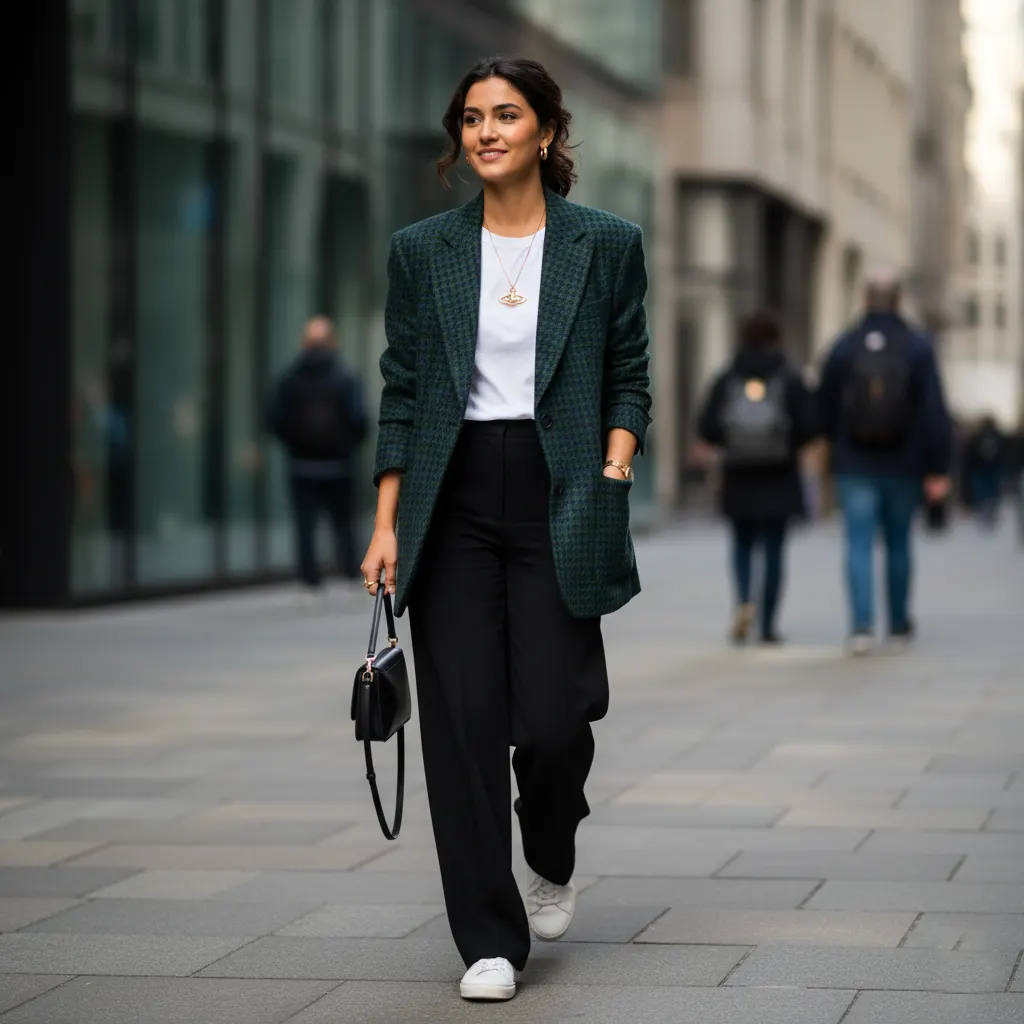
The Business Case for Anti-Consumerism
Paradoxically, Westwood proved that anti-consumerist messaging can strengthen brand loyalty and market position. Her authenticity attracted consumers tired of greenwashing and empty sustainability claims.
Brand Collaborations
The brand has embraced collaborations to reach diverse audiences, notably partnering with skate label Palace in August 2024, merging streetwear with high fashion and introducing Westwood’s iconic designs to a new generation.
This demonstrates how Westwood’s principles can be adapted and shared across market segments without compromising core values.
The Resale Market Opportunity
The secondhand fashion market represents Westwood’s philosophy in action. It’s projected to continue growing significantly, offering opportunities for both consumers and businesses to participate in circular fashion economies.
Environmental Urgency: Why Now Matters
The climate crisis makes Westwood’s philosophy not just preferable but necessary:
- The fashion industry consumes 141 billion cubic meters of water annually and contributes to 35% of microplastics polluting our oceans
- If 80% of people in emerging economies reach Western clothing consumption levels by 2025, and the apparel industry doesn’t improve its environmental efficiency, its environmental footprint will significantly increase
- Just 4 out of 250 largest fashion brands disclose emission reduction targets meeting UN ambitions for 55% absolute emissions reduction by 2030
We can’t shop our way to sustainability—we must fundamentally change our consumption patterns.
Overcoming Psychological Barriers
Identity and Self-Expression
Many Americans tie identity to consumption. Fashion provides self-expression, creativity, and social belonging. Westwood’s philosophy doesn’t eliminate these needs—it redirects them toward intentionality, creativity within constraints, and authentic self-expression rather than trend-following.
The Dopamine Trap
Shopping triggers dopamine release, creating genuine addiction patterns. Breaking this cycle requires:
- Recognizing emotional shopping triggers
- Finding alternative dopamine sources (exercise, hobbies, social connection)
- Implementing deliberate barriers between impulse and purchase
- Cultivating gratitude for what you already own
Social Pressure
Combat outfit-repeating stigma by:
- Following sustainable fashion influencers who normalize rewearing
- Being open about your intentional consumption choices
- Creating a “uniform” or signature style that makes repetition irrelevant
- Joining online communities supporting sustainable fashion
The Future of Fashion: Westwood’s Vision Realized?
Congress designated a federal entity to coordinate efforts to reduce textile waste and advance recycling, with the GAO proposing seven actionable steps for six federal agencies. This governmental recognition suggests systemic change may be coming.
The Congressional Slow Fashion Caucus, founded by Representative Chellie Pingree, works to create policies that reduce resource consumption and promote reusing, repairing, and recycling textiles.
Industry Shifts
Some encouraging developments:
- Major brands offering repair services
- Clothing rental normalization
- Resale integration into mainstream retail
- Increased transparency in supply chains
- Growing consumer demand for sustainability
However, fast fashion continues growing at 10.7% CAGR through 2032, indicating significant work remains.
The Revolutionary Act of Buying Less
Vivienne Westwood understood that true rebellion isn’t just about aesthetic shock—it’s about challenging the systems that shape our lives. In a capitalist society that equates consumption with citizenship, choosing to buy less, choose well, and make it last is genuinely radical.
Her philosophy offers a framework for living more intentionally in every aspect of life. It’s about recognizing that our worth isn’t measured by what we own or how often we update our image. It’s about understanding that every purchase is a vote for the kind of world we want to live in.
The fashion industry will continue prioritizing profit over planet until consumers demand change. That change begins with individual choices—wearing your clothes longer, repairing instead of replacing, investing in quality over quantity, and finding creativity within constraints rather than endless consumption.
As Westwood proved throughout her remarkable career, you can love fashion without loving consumption. You can appreciate beauty without feeding an unsustainable system. And you can use your creativity to challenge the status quo rather than perpetuate it.
The question for American consumers in 2025 is simple but profound: Are we ready to embrace that challenge?
Key Takeaways
- The fashion industry produces 10% of global carbon emissions and contributes 35% of ocean microplastics
- The U.S. sustainable fashion market is growing at 10.1% annually, showing consumer demand for change
- Americans throw away 81 pounds of clothing annually—most of which could be reworn, repaired, or recycled
- Implementing the 30-day rule, calculating cost-per-wear, and learning basic repairs are practical steps anyone can take
- Federal government recognition of textile waste as a policy priority signals potential systemic change
What’s one item in your closet you’ve owned the longest? How has it survived, and what makes it special? Share your lasting fashion stories in the comments below.
#VivienneWestwood #BuyLessChooseWell #SlowFashion #SustainableFashion #AntiConsumerism #FashionRevolution #EthicalFashion #ConsciousConsumption #MakeItLast #FashionActivism